


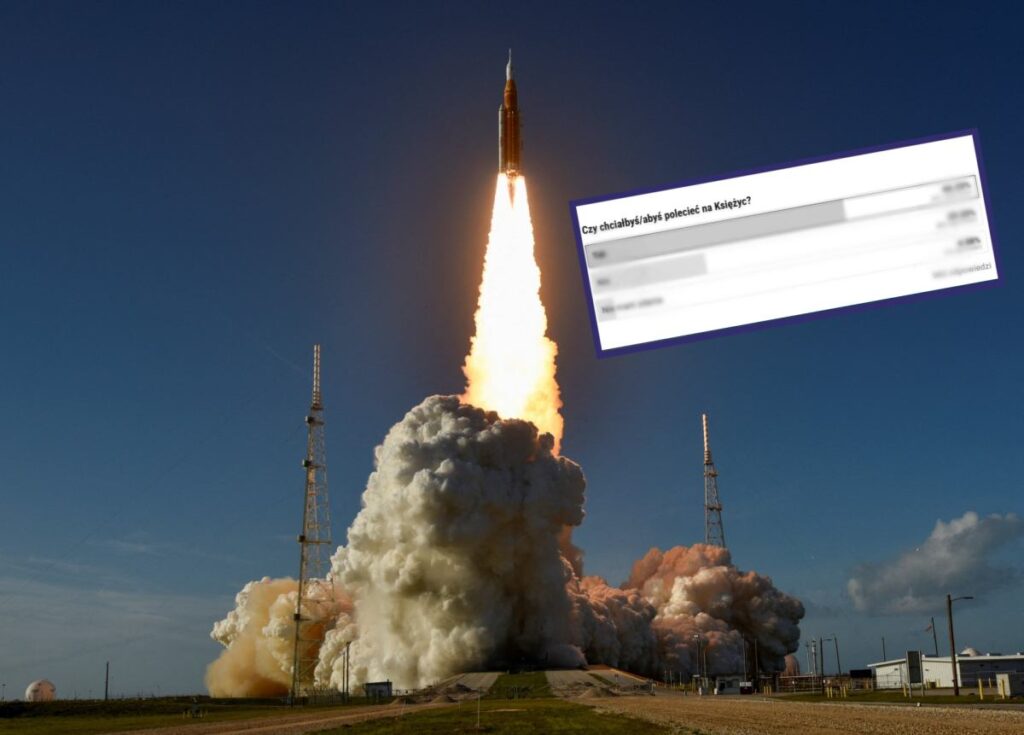
Following a journey beyond Earth’s orbit for the first time in over 50 years, the Artemis II mission is sparking widespread public enthusiasm for space travel.
Artemis II: A Return to Lunar Proximity
On April 3rd, details of the Artemis II mission and initial astronaut accounts were published, marking the first venture beyond Earth’s orbit since Apollo 17 in 1972. Regular updates from NASA are generating significant excitement regarding the flight to the Moon.
A recent reader poll gauged interest in such a journey, revealing strong public support for space exploration.
Public Opinion: A Thirst for Lunar Exploration
The poll indicated that 66.23% of respondents (651 out of 983 voters) expressed a desire to visit the Moon. However, skepticism remained, with 29.20% (287 people) answering negatively, and 4.58% (45 voters) remaining undecided. The data was collected on April 7th.
Record-Breaking Distance Achieved
NASA announced on April 6th that the Artemis II crew reached a distance of 248,655 miles from Earth, surpassing the previous record held by Apollo 13 for the farthest human spaceflight. The Orion spacecraft is projected to achieve an even greater distance at its farthest point.
Ongoing Observations and Documentation
Six days into the mission, the astronauts continue their journey, documenting the Moon through photographs and observations. This is a crucial component of the entire flight.
Dr. Lori Glaze, Deputy Associate Administrator for NASA’s Exploration Systems Development Directorate, emphasized the importance of this ongoing documentation.
Orion’s Lunar Flyby and Mission Conclusion
On the night of April 8th, the Orion spacecraft with its four astronauts completed a flyby around the Moon, offering a live view of the far side of the Moon for the first time since 1972.
The mission is scheduled to conclude on April 10th with a splashdown off the coast of San Diego. Following recovery aboard the USS John P. Murtha, the astronauts will undergo medical evaluations and return to NASA’s Johnson Space Center, paving the way for further, more challenging stages of the Artemis program.