


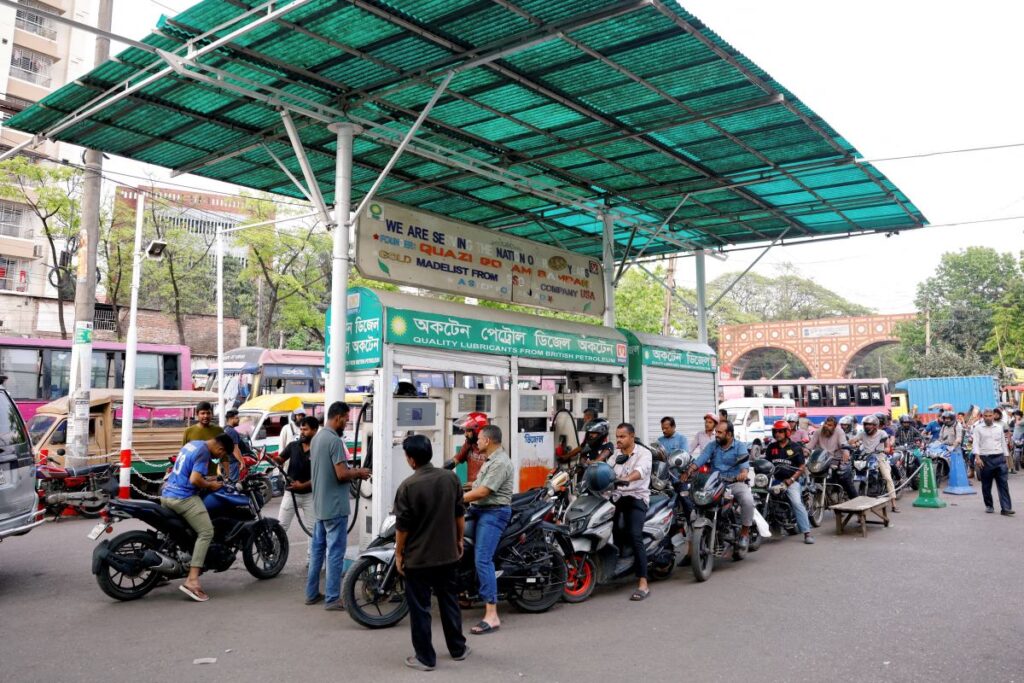
Escalating conflict between the US and Iran is triggering fuel shortages across Asia, leading to theft, attacks, and widespread protests.
Fuel Shortages Drive Violence in Asia
The consequences of the US and Israel’s conflict with Iran are increasingly impacting nations far from the region, with fuel shortages in parts of Asia escalating into a security crisis.
In Bangladesh, groups are stealing fuel at night and attacking transport vehicles, while Pakistan and India have reported fatal attacks on gas station workers. Thousands of transport workers in the Philippines have protested against rising diesel prices.
Bangladesh at the Forefront of the Crisis
The situation is most critical in Bangladesh, which imports approximately 95% of its energy and heavily relies on supplies passing through the Strait of Hormuz. Despite government efforts to maintain supply, fuel stations are rapidly emptying due to panic buying.
Kilometer-Long Queues and Rising Tensions
Drivers are forming queues stretching for kilometers. As fuel supplies dwindle, tensions are rising, with reports of assaults on gas station employees and threats of arson in various parts of Bangladesh. In one incident, a truck driver allegedly killed a station manager after being denied fuel.
Government Subsidies and Depleting Reserves
Asian nations are attempting to mitigate the crisis through subsidies and costly spot market purchases, but this model may be unsustainable. If uncertainty surrounding the war and relations between Washington and Tehran persists, controlling fuel prices will become increasingly difficult.
Experts warn that a prolonged increase in oil and gas prices could also impact food and other essential goods, increasing the risk of further social unrest, particularly in poorer countries.
Bangladesh Implements Emergency Measures
Bangladeshi authorities have imposed fuel rationing, deployed paramilitary forces to protect fuel depots, and announced a crackdown on illegal stockpiling. However, politicians acknowledge that protecting citizens from the effects of inflation will be challenging if the war continues.
According to sources cited by The Washington Post, countries without influence over the conflict’s course are increasingly bearing its costs.