


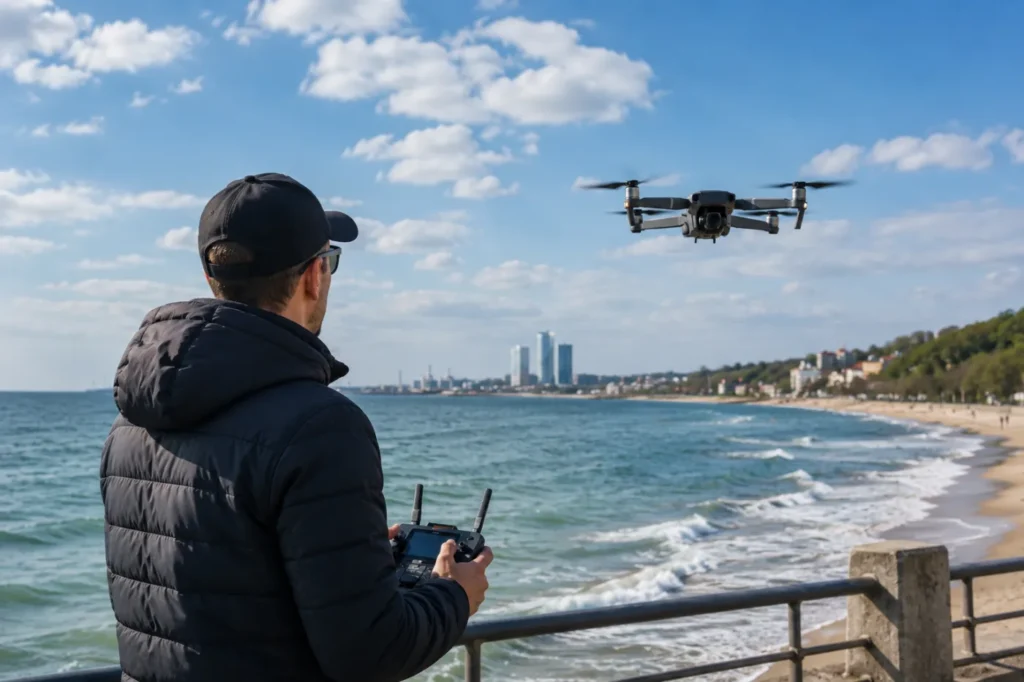
GPS signal disruptions over the Polish coast are intensifying, causing drones to vanish or behave erratically, with experts linking the surge to electronic warfare in the Baltic region.
Escalating GPS Disruptions in Northern Poland
GPS signal problems along the Polish coast are intensifying, with drone operators reporting a series of incidents in the Tri-City area and Krynica Morska. Modern machines are suddenly losing their position, breaking communication, or flying off in unknown directions.
These disruptions affect both recreational pilots and commercial activities, including aerial photography, technical inspections, and geodetic measurements. Some operators have recommended a total halt to flights in certain coastal regions due to the high risk of equipment loss.
The interference is not limited to drones; car navigation users, sailors, and aviation personnel have also reported incorrect positioning, momentary signal loss, and synchronization issues over recent months.
The Threat of GPS Spoofing
Experts distinguish between signal jamming, where a device simply loses access to satellites, and spoofing, which is far more dangerous. Spoofing involves generating fake location data, leading the drone to believe it is hundreds of meters away from its actual position.
Because the autopilot reacts to these false coordinates, drones may perform irrational maneuvers or fly away even if the radio connection is maintained. This is particularly difficult to detect as the navigation system appears to be functioning correctly while relying on false data.
Geopolitical Tensions and Hybrid Warfare
The increase in interference coincided with the full-scale invasion of Ukraine in February 2022. Experts suggest the source may be Russian electronic warfare systems located in the Kaliningrad Oblast, impacting Poland, Lithuania, Latvia, Estonia, and Finland.
NATO countries have repeatedly warned of these incidents, which are viewed as part of hybrid warfare against the EU and NATO. The disruptions have affected maritime transport, critical infrastructure, and even caused Finnair to temporarily suspend some flights to Tartu, Estonia.
Safety Precautions for Operators
Specialists recommend that drone operators avoid long-range flights and carefully monitor the number of available satellites before takeoff. Some advise switching to manual mode to reduce dependence on automatic GPS-based functions.
Despite these precautions, most modern drones remain heavily dependent on satellite signals, making it difficult for even experienced operators to safely regain control during intense interference.