Polish coastal resorts should prepare for significantly cooler water temperatures in the summer of 2026 due to a large influx of North Sea water.
Cooler Water Expected in the Baltic Sea
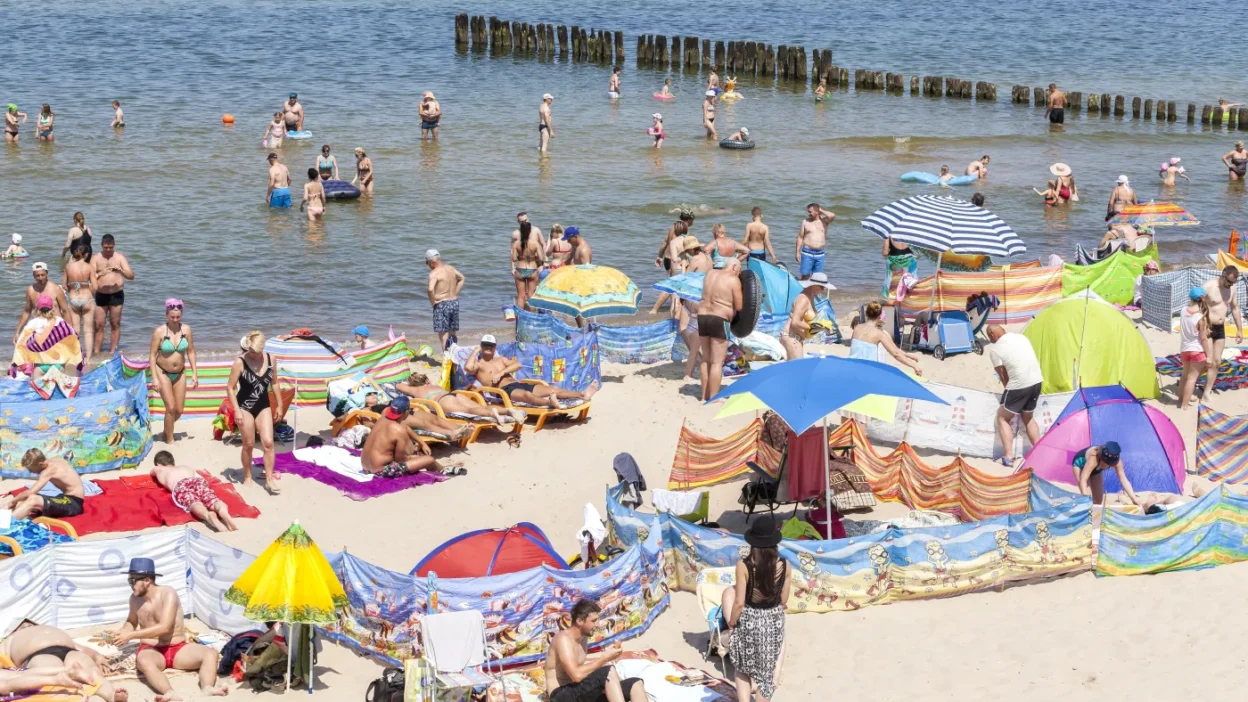
Holidaymakers planning trips to the Polish coast must prepare for substantial changes. The 2026 summer season on the Baltic Sea will be marked by noticeably lower water temperatures, a direct result of a massive inflow of water from the North Sea.
Historical Water Level Drop Triggers Inflow
Historical weather anomalies between 2025 and 2026 led to a record drop in Baltic Sea levels—nearly 70 cm—triggering a powerful barotropic inflow from the North Sea. Approximately 275 cubic kilometers of dense, highly saline water is currently flowing into the basin, according to “Dziennik Bałtycki.”
Ecological Benefits Amidst Tourism Concerns
While this phenomenon signals biological regeneration of the aquatic environment, it will also require the tourism industry to revise expectations for the upcoming summer. The incoming water is considerably colder than the Baltic waters, which have recently exceeded 20 degrees Celsius.
Reduced Algae Blooms Offer Tourism Stability
The cooler water also offers a significant benefit to tourism infrastructure—a drastic reduction in algal blooms. Lower temperatures and altered water chemistry inhibit the growth of toxic cyanobacteria, which have plagued the Polish coast in recent seasons, forcing widespread beach closures. This translates to greater operational stability for local businesses.
Positive Impact on Fisheries
From an economic perspective, the inflow is a “rescue operation” for Polish fisheries. According to Dr. Daniel Rak of IO PAN, the oxygenated and saline water from the west is essential for the survival of cod roe, which was previously threatened by the anoxic bottom conditions. Regenerating fish populations is key to stabilizing the processing and fishing sectors, which have struggled with a long-term supply crisis.
Rare Event with Critical Implications
Hydrographic statistics confirm that such strong inflows occur only once a decade, giving this event a critical importance for the future of the Baltic Sea. While tourists will primarily feel the effects through reduced thermal comfort during swimming, it is the most desirable scenario for the long-term biological and economic health of the basin.
. **Sources:**
**Category:** 28