


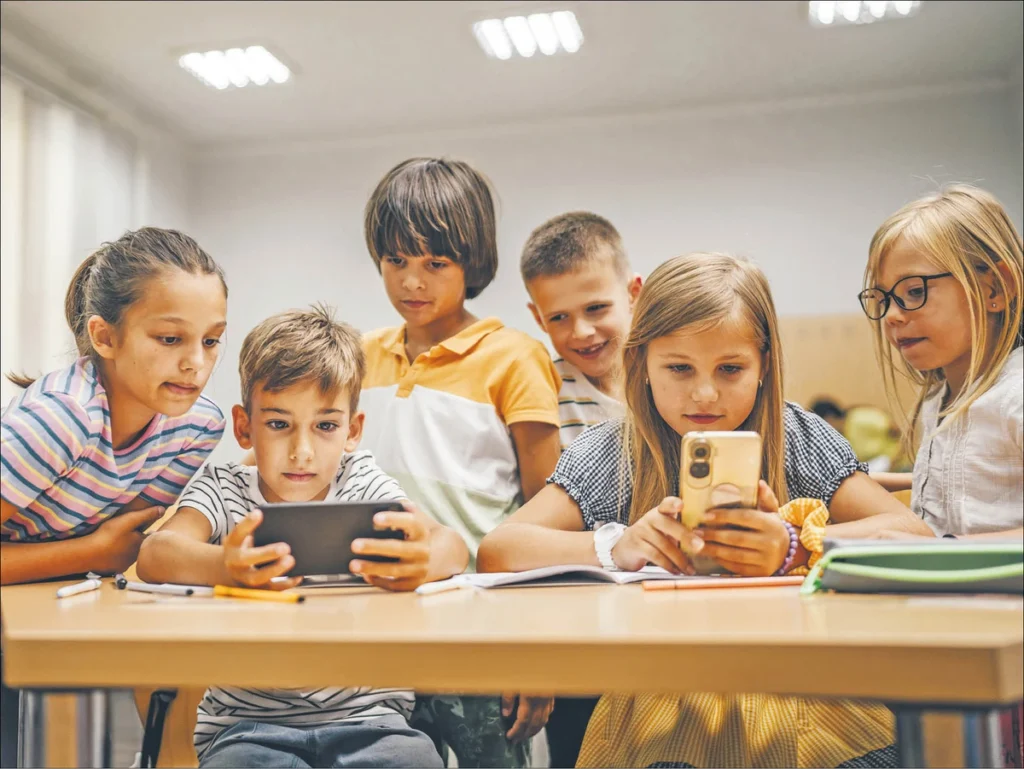
Polish lawmakers Giertych, Nowacka and Rosa have proposed a 2026 ban on social media for children under 15.
The Psychological Impact of Social Media
There is no technological invention today that better exploits our psychological reward system than social media. We scroll endlessly, and so do children, losing the ability to concentrate and build healthy real-world relationships in the process.
So-called social media is simply a digital, plush version of a one-armed bandit. We never know what will appear next, and our brains love the dopamine accompanying this anticipation. This is how gambling works. Hungry for approval, we constantly check if someone liked or commented on our posts, treating this as proof of the social validity of our observations.
Information Bubbles and Disinformation
Moreover, algorithms willingly show us more of what engages us. As a result, we become entangled in information bubbles, becoming increasingly susceptible to disinformation – increasingly advanced and increasingly designed with political intent.
Challenges of Implementation
It is true that banning social media for children in practice could easily prove to be a fiction. But to the same extent, the belief that if we close our eyes, the problem will disappear on its own is also fiction.