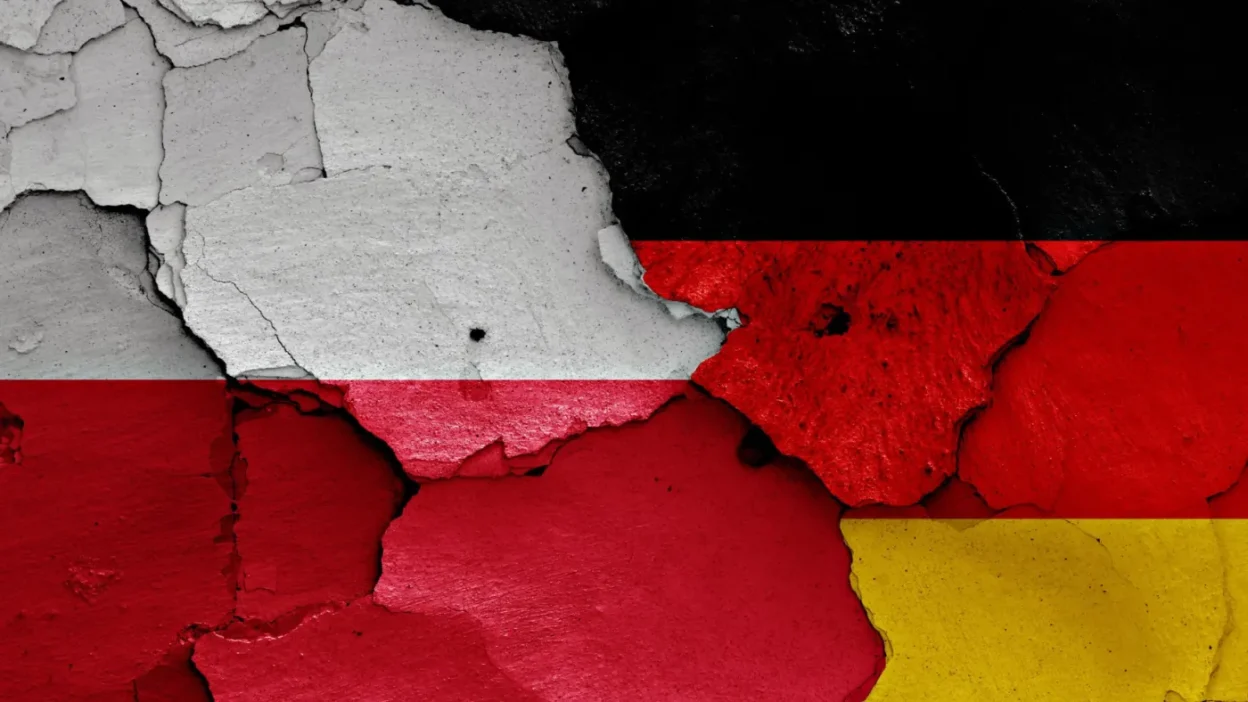
A planned leadership change at the Foundation Flight, Expulsion, Reconciliation in Berlin is raising fears of strained Polish-German relations.
Controversy in Berlin
The board of trustees of the Foundation Flight, Expulsion, Reconciliation in Berlin plans to change the director of the institution, sparking concerns about a deterioration in Polish-German relations. According to Deutsche Welle, the decision could be announced as early as March 26, and its consequences are causing unease among historians and politicians.
The foundation documents the history of expulsions and migrations of people in Central and Eastern Europe after World War II. The current director, Gundula Bavendamm, has headed the institution for 10 years and has been responsible for its development since its opening in 2021. The planned change raises questions about the foundation’s independence and the future direction of its activities.
Concerns from the Academic Community
The foundation’s scientific council and many historians criticize the possibility of appointing a director without academic experience in the field of expulsion history. Professor Stephan Lehnstaedt, quoted by Deutsche Welle, emphasizes that the institution should remain independent and base its activities solely on professionalism and cooperation with experts and museums. According to Deutsche Welle, there is a risk that personnel changes could introduce a political element into the foundation’s leadership.
Political Affiliations of Candidates
One of the candidates for the new director is reportedly politically affiliated with the CDU/CSU faction in the Bundestag, raising concerns about the politicization of the institution. The Association of Expellees (BdV) explains that the aim of the changes is to strengthen the mission of reconciliation and expand exhibition activities.
Potential Repercussions in Polish-German Relations
Experts on Deutsche Welle emphasize that political interference in the foundation’s leadership could deepen disputes over historical memory between Poland and Germany. As Deutsche Welle points out, the decision to change the director is already causing controversy among historians and could affect future diplomatic relations between the two countries.
Copyright © INFOR PL S.A.
Further distribution of the article with the publisher’s consent INFOR PL S.A. Purchase a license.
Enter the email address of the selected person, and we will send them free access to this article.