


Early detection can save lives in bladder cancer cases, but prompt diagnosis is essential as delays can turn treatable disease into fatal condition.
Bladder Cancer Risk Factors
Bladder cancer primarily affects men, who develop it three to four times more frequently than women. The main risk factor remains tobacco smoking, but prolonged occupational exposure to chemical compounds also plays a significant role. Professions particularly vulnerable include hairdressers, painters, chemical industry workers, oil refinery employees, and professional drivers.
Importance of Early Detection
Early detection of bladder cancer can protect patients from death and enable treatment. In developed countries, 75-80% of patients have localized, low-grade cancer when detected. This means the tumor does not deeply invade the bladder wall, offering hope to avoid radical cystectomy (bladder removal) and not shorten the patient’s life.
Diagnosis Methods
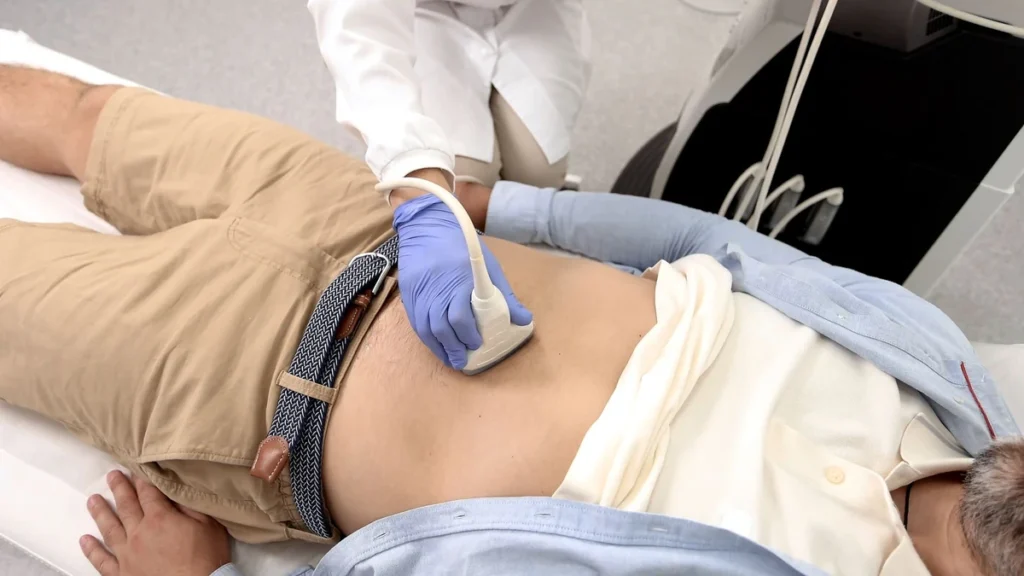
There is no typical screening test for bladder cancer like PSA for prostate cancer, but a general urine test can be helpful by showing elevated red blood cell counts that may suggest a tumor. It can also be detected during ultrasound or computed tomography. Magnetic resonance imaging of the bladder is increasingly playing a larger role. Blood in urine (hematuria) is an alarm signal that requires immediate diagnostic testing.
Treatment Approaches
Standard treatment for suspected bladder cancer involves TURBT (transurethral resection of the bladder tumor), where an endoscope is inserted through the urethra to remove the tumor along with its base. Depending on the histopathological results, doctors may either monitor through regular cystoscopies or repeat the procedure with intravesical therapy. Currently, intravesical chemotherapy or BCG therapy is standard, depending on indications.
Challenges in Polish Healthcare
Poland continues to use treatment methods and organizational solutions from decades ago. Modern therapies that are standard in other countries, such as enfortumab vedotin, are often only reimbursed in later treatment lines in Poland. There are also issues with waiting times for diagnostic tests – patients suspected of having bladder cancer should not wait three months for cystoscopy or CT scan, as delays can turn a treatable disease into a metastatic one that can kill within a year.