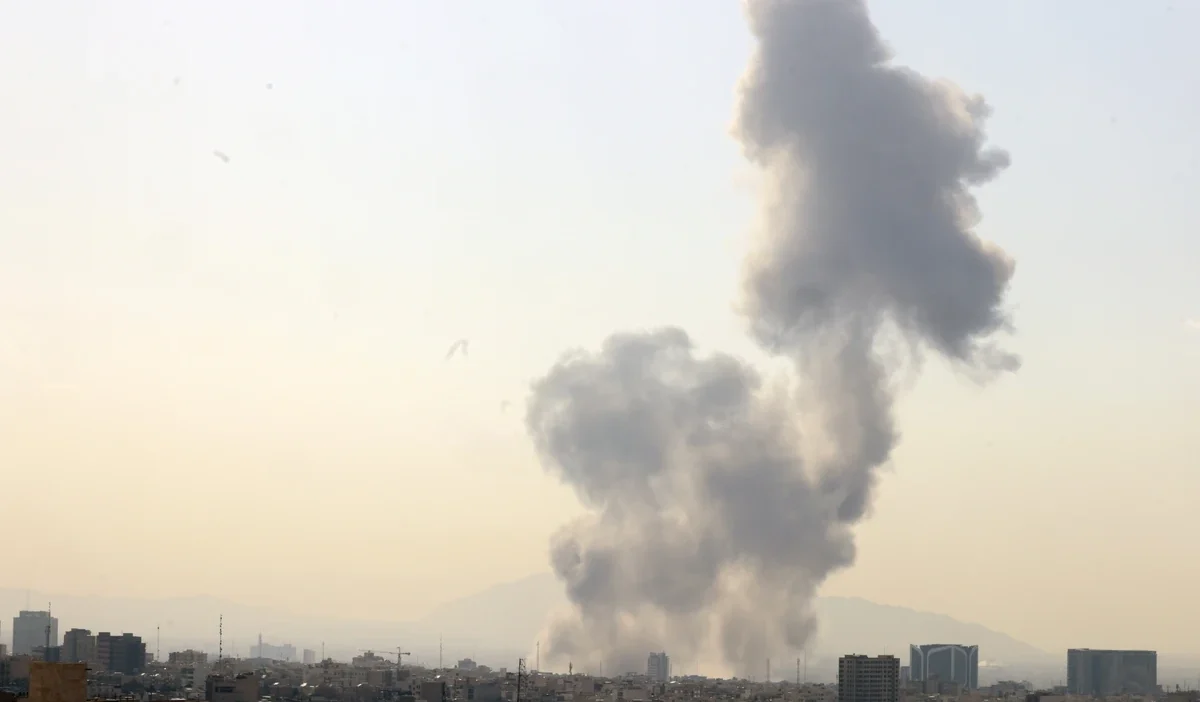
US military strikes on Iran raise questions about effectiveness amid complex geopolitical motivations.
Questionable Threat Assessment
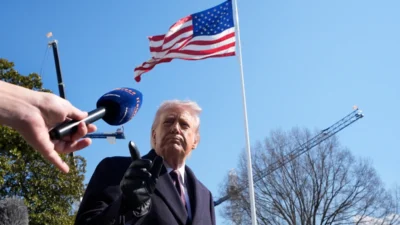
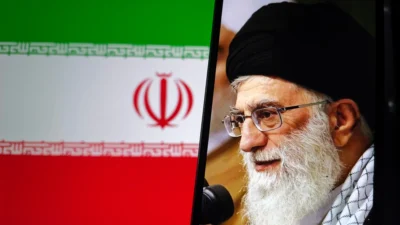
President Trump’s claims that Iran poses a direct threat to the American nation are far from the truth. While the ayatollah regime does seriously threaten the Israeli nation, it’s understandable why the Jerusalem government consistently seeks to eliminate or significantly weaken this enemy. From the perspective of US authorities, the reasons for joining an Israeli military operation are more complex.
Domestic and Lobby Influences
The military action also serves to distract the broader public from the Trump administration’s ineffectiveness in other areas – from stalled negotiations on promised peace in Ukraine to more significant domestic issues. These reasons include traditional pressure from a powerful Jewish lobby in the United States and influence from Christian Zionist circles, who form an important part of the MAGA movement’s base.
Strategic Objectives
Of course, there are higher-level objectives. According to the recently announced US National Security Strategy, the US would like to focus on the Indo-Pacific and Latin America, which requires first settling the situation in the Middle East. However, neither bombing Iran alone nor changing its governing team will achieve this – something even a politician as prone to wishful thinking as Donald Trump probably doesn’t delude himself about.
Short-Term Political Benefits
The short-term effect of the attacks will be the consolidation of the president’s electorate and the sidelining of his more pressing problems than Iran’s nuclear and ballistic programs. For his supporters, Trump remains a symbol of a strong leader unconstrained by such trivialities as legal paragraphs. The attacks will also benefit Vladimir Putin, who has once again moved out of America’s crosshairs.
Unlikely Regime Change
The realistic and long-term positive effect of a military attack – for the US, the Middle East, and the world – would only occur if the regime in Iran actually fell. Americans are unlikely to undertake a ground operation for this purpose, but Trump clearly counts (or at least pretends to count) on the Iranians themselves. “When we’re done, take power. America supports you with overwhelming and devastating force,” he appealed.
Regime Resilience
This is not entirely without sense. The regime is the weakest in its history for many reasons, but it still possesses an extensive and efficient apparatus of violence, and anti-American and anti-Israeli sentiments are very strong even among people far from supporting religious rule or facing increasingly serious living problems. Inevitable infrastructure losses and civilian casualties from bombings will only fuel these sentiments.
Most Realistic Outcome
In this situation, the most realistic scenario is unfortunately that after several days of attacks, Americans will declare victory, regaling the world with stories of bringing Tehran to its knees. Meanwhile, China, India, and European countries, guided in this conflict by quite similar political and economic interests, will pour oil on troubled waters, appeal for a return to diplomacy, and eventually the bombs will stop falling. We’ll return to a stalemate.