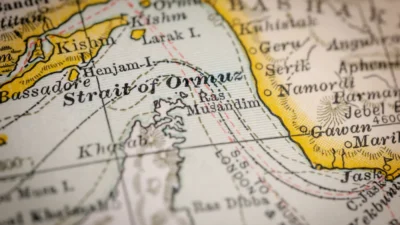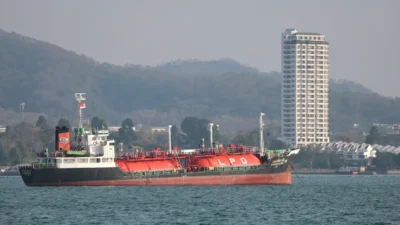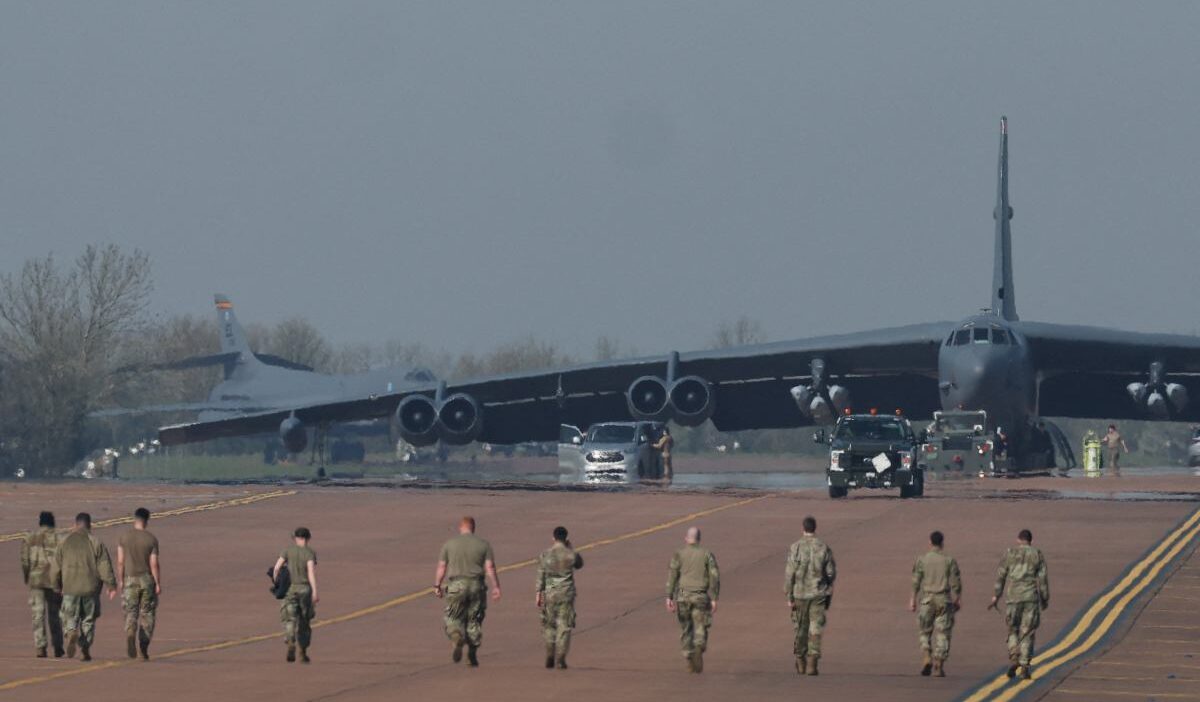
Despite ceasefire announcements, details remain contested regarding the scope of the agreement, particularly concerning Lebanon and the Strait of Hormuz.
Iran’s War Aims: Regime Survival
The primary objective for the Iranian regime was survival—maintaining power, as a direct military victory was improbable. This key goal was achieved, with no indications of a power transition as part of the ceasefire.
There is no apparent internal threat of rebellion or significant internal regime fractures. While numerous Iranian leaders were killed, including Ayatollah Ali Khamenei, the succession of his son, Mojtaba Khamenei, and the strengthening of security forces suggest a continuation of the current political trajectory.
Control of the Strait of Hormuz
Iran asserts its intention to maintain control over the strategic Strait of Hormuz, with reports suggesting a potential tax for ships using the waterway. However, Oman has denied involvement, casting doubt on this condition being part of any formal agreement.
Regardless, Iran has demonstrated its ability to control the strait, a capability the US did not attempt to challenge militarily. This elevates the significance of Iranian threats regarding this crucial shipping lane.
The High Cost of Survival for Iran
Iran’s survival came at a significant cost, with official figures reporting approximately 2,000 deaths and 26,000 injuries. The country endured over a month of intense bombing by the US and Israel.
CENTCOM reports over 13,000 targets struck by US forces, while Israel conducted around 800 raids with 15,000 pieces of ammunition. Israeli strikes reportedly destroyed 70% of Iran’s steel production capacity, its second-most lucrative export.
Diplomatic Losses for Iran
Iran’s strategy of causing regional and global economic disruption ultimately aided its survival by pressuring the US. However, its large-scale attacks on Arab states in the Persian Gulf have eroded goodwill.
The recent normalization of relations between Iran and Saudi Arabia, brokered by China, has been jeopardized by Iran’s renewed hostility towards its southern neighbors.
US and Israeli Objectives: A Shifting Landscape
The goals of the US and Israel were fluid, adapting to what appeared achievable. Initially, regime change in Iran was a primary ambition, but this ultimately failed.
The Nuclear Program and Missile Capabilities
The Iranian nuclear program suffered setbacks and was likely delayed by years, though Iranian enriched uranium reserves remain, potentially hidden in facilities like Fordow, Natanz, and Isfahan. Disagreements persist regarding Iran’s future enrichment rights.
While Iran’s missile and drone programs were significantly damaged, the country maintained a consistent rate of attacks throughout the conflict. The US and Israel failed to completely destroy Iran’s retaliatory arsenal, though it has been weakened.
Other US Goals: Air Force, Navy, and the Strait of Hormuz
The US largely succeeded in destroying Iran’s air force and navy, though these forces were already severely weakened. Opening the Strait of Hormuz proved unattainable for the US, a significant surprise given Iran’s long-standing threats.
The Aftermath: A Pyrrhic Victory?
The Iranian regime survived but is weakened economically, militarily, and diplomatically. The economic fallout and reconstruction costs will be substantial, and regional relations are further strained.
The US did not fundamentally alter the situation, leaving Iran hostile with a residual nuclear program and missile capabilities. The conflict resulted in significant ammunition expenditure and global economic disruption.
Israel significantly weakened a key adversary and gained greater freedom to operate against Hezbollah in Lebanon, but at a considerable financial cost.