


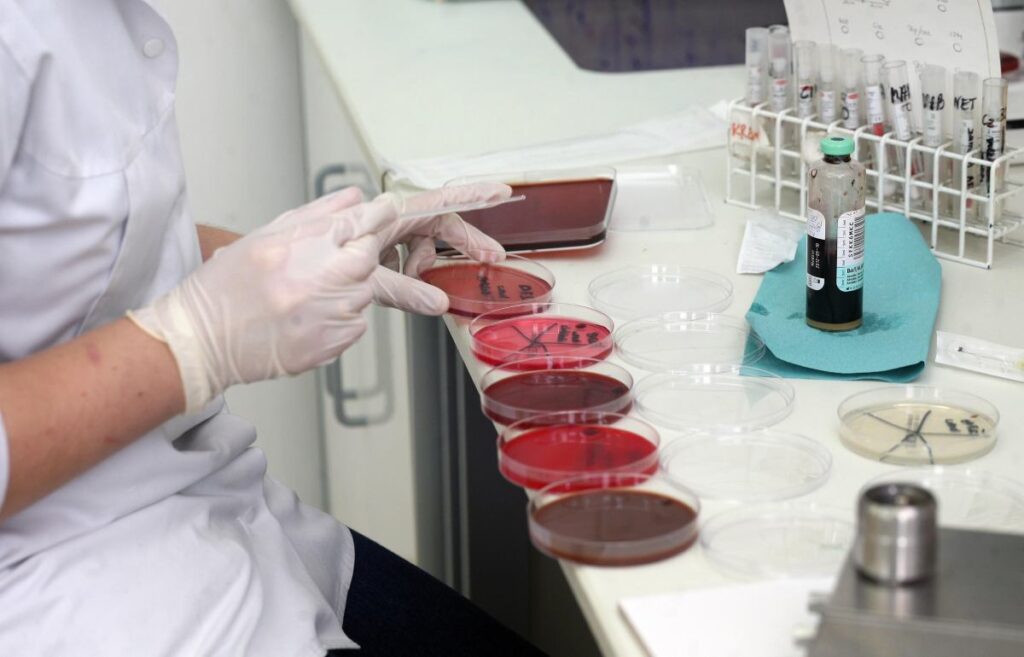
Virus samples were stolen from a Brazilian laboratory in February, prompting a police investigation and the detention of a 36-year-old researcher.
Theft Discovered and Reported
Samples disappeared from the laboratory in February, but the university issued a statement about the incident this week. The university reported that the rector’s office received notification of the theft of research materials from the Institute of Biology and immediately contacted the police and the National Health Surveillance Agency to conduct necessary investigations and expert procedures.
Laboratory Security Level
The laboratory from which the material was stolen has a level three biosafety security, meaning research on viruses and bacteria causing serious and airborne diseases can be conducted there. The most dangerous pathogens, such as the Ebola virus, require a level four.
University Response and Cooperation
The university states it has taken all appropriate measures and is fully cooperating with the relevant authorities. Individuals potentially involved in the incident will be held accountable according to applicable laws.
Researcher Detained and Released
Police found the samples and detained a 36-year-old woman. She has been identified as Soledad Palameta M., specializing in bacteriology, virology, and food safety, who worked at the Institute of Biology at Unicamp. She was reportedly arrested but released and will answer from a position of freedom. The researcher’s lawyer stated to G1 that there is no evidence confirming the accusation.
Further Suspect Identified
The researcher’s husband, Michael Edward M., a veterinarian and doctoral student at the same university, is also reportedly a suspect in the case. The Federal Police in Campinas stated that the suspects will be held accountable, within the limits of their responsibilities, for qualified theft, procedural fraud, and illegal transport of genetically modified organisms.
AI and Virus Creation
A team of scientists from Stanford and the Arc Institute in Palo Alto has shown that artificial intelligence models can generate fully functional viral genomes that have never existed in nature. Some of these even function better than their natural counterparts.