


Poland’s February 13, 2026 amendment simplifies caregiver benefit applications, but employers still struggle with eligibility determinations.
Who Qualifies for Caregiver Allowance?
Insured individuals, including employees and contractors covered by sickness insurance, are eligible for caregiver allowance when unable to work due to the need for personal care for a sick child or other family member. This includes spouses, parents, children over 14 living in the same household, and other specified relatives.
Children include one’s own children, spouse’s children, adopted children, and children taken into care and maintenance.
Basis for Caregiver Allowance Payment
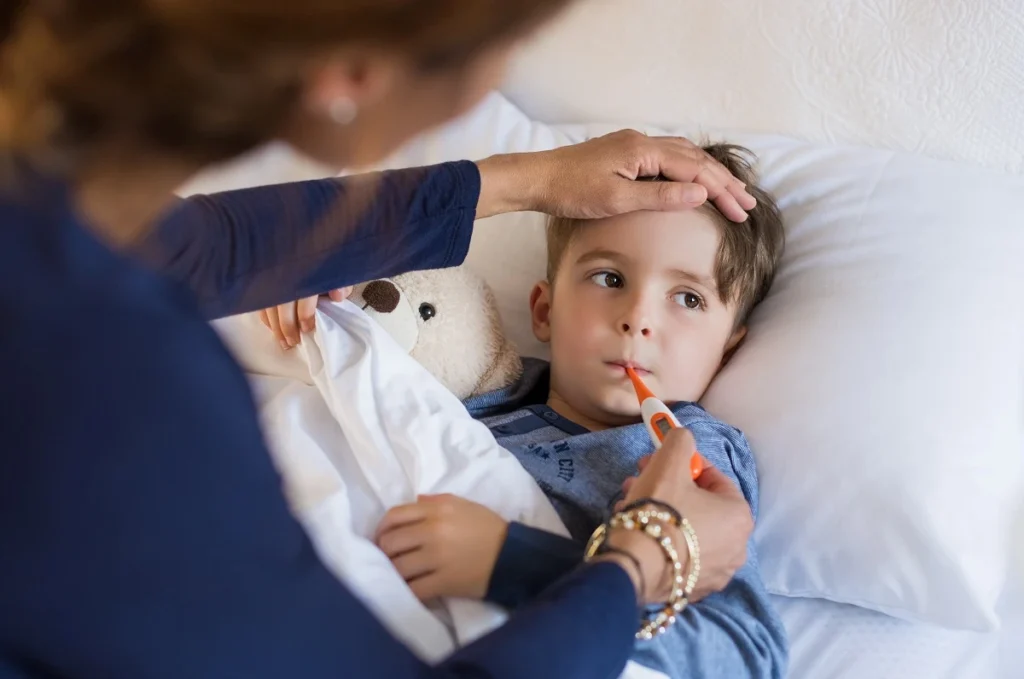
Caregiver allowance is paid based on an application and supporting documents. For care of a sick child or family member, a medical certificate confirming the need for care is required. This is the most common case encountered by payers.
When caring for a child under 8 whose school or preschool has unexpectedly closed, an appropriate declaration must be submitted. If the reason is the illness of a regular caregiver, the insured submits a medical certificate on a standard form.
When Does Caregiver Allowance Not Apply?
Caregiver allowance does not apply if there are other family members in the same household who could provide care for the sick child or family member. However, this does not apply to care for a sick child under 2 years old, in which case the allowance must be paid even if another household member could provide care.
ZUS emphasizes the actual ability to provide care, not just formal status. Family members who cannot provide care include those who are seriously ill, have a disability preventing care, or are absent from the household.
Employer Assessment of Caregiver Allowance Eligibility
Payors, known as “large payers,” primarily rely on the employee’s declaration regarding whether another household member could care for a sick child. This circumstance may be verified, but the problem of determining whether the insured is entitled to the allowance remains problematic.
Basis for Controlling Caregiver Allowance Receipt
Currently, the basis for control is § 6 of the minister’s regulation from July 27, 1999, on detailed rules and procedures for controlling the proper use of sick leave and formal control of medical certificates. Control can be conducted by ZUS or a “large payer.”
From April 13, 2026, these provisions will be moved to the benefit law. The control covers work incapacity benefits and caregiver allowance, focusing on whether other family members could provide care, except for care of a sick child under 2.
Consequences of Finding Another Household Member
If it is determined that another household member could provide care, the caregiver allowance is lost as the employee did not meet the conditions for entitlement. ZUS will consider the allowance as improperly received.
According to the Social Insurance System Act, persons who have improperly received social insurance benefits must repay them with statutory interest for delay. Interest is calculated from the day after payment until repayment.
Other Cases of Losing Caregiver Allowance Rights
The right to caregiver allowance is also lost in cases specified in Article 17, paragraph 1 of the benefit law. An insured person performing paid work or using leave contrary to its purpose during a period of incapacity for work loses the right to sickness benefit for the entire period.
From April 13, 2026, this provision will be slightly modified. Paid work will include any activity with a paid character, except for incidental actions required by significant circumstances. Activities contrary to the purpose of leave include any actions that hinder or prolong treatment or recovery, except ordinary daily activities.