


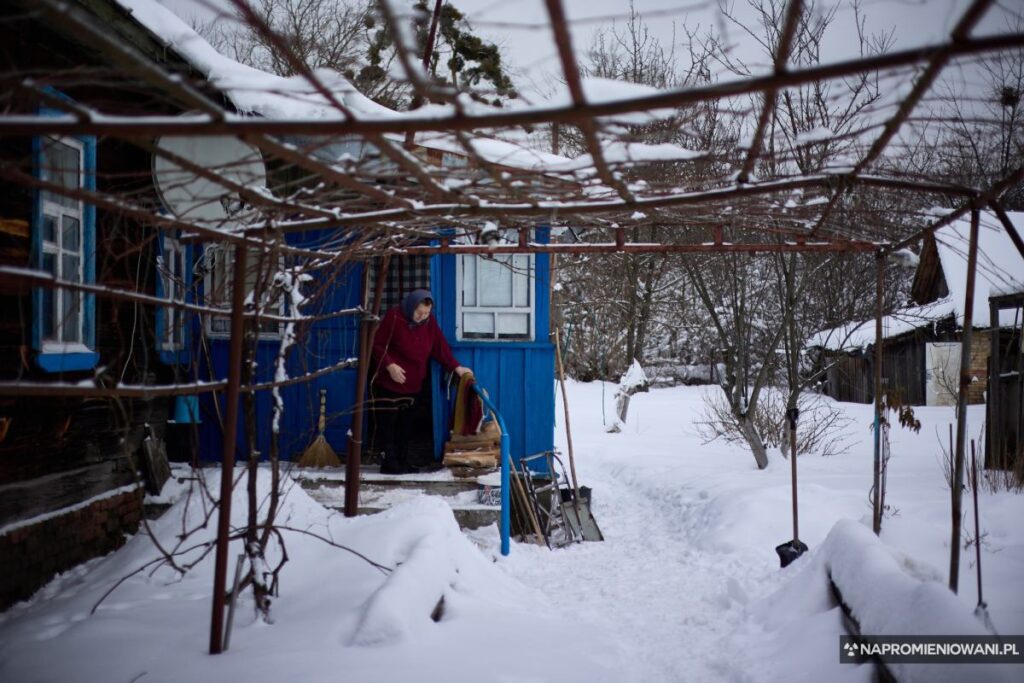
A Polish explorer’s decade-long engagement with the Chernobyl Exclusion Zone reveals the stories of the few remaining inhabitants and the challenges they face.
First Encounters with the Zone
The explorer first visited the Chernobyl Exclusion Zone in 2013, driven by curiosity about a place abandoned after a disaster, a place where nature was reclaiming its territory.
That initial visit profoundly impacted him, shattering the illusion of human invincibility and highlighting the potential for catastrophic errors with lasting consequences.
A Life Dedicated to Chernobyl
The experience led him to dedicate his life to the Zone, becoming an organizer of expeditions, providing humanitarian aid, and founding the website “Napromieniowani.pl” to educate about nuclear energy and debunk myths.
He describes a feeling of being irrevocably changed by the Zone, stating, “You can leave the Zone, but the Zone doesn’t leave you.”
Discovering the Samosely
Initially, his focus was on the history of the disaster and the physics of radioactivity, not the people living within the Zone.
He encountered the “samosely” – those who illegally returned to their homes – after three years of exploration, first meeting Olga Yushchenko and Fyodor Struka, the last residents of their respective villages.
Olga Yushchenko: A Chance Encounter
He stumbled upon Olga Yushchenko while exploring a village, finding her suffering from heatstroke and attempting to walk eight kilometers to reach foresters.
This incident underscored the abandonment faced by the samosely, a 76-year-old woman living alone without electricity or running water, with no immediate access to help.
They assisted her, contacted emergency services, and she spent weeks in the hospital before returning to her home, but was later relocated due to declining health and died in Kyiv.
Fyodor Struka: A Tragic Fate
He met Fyodor Struka in another village, finding him carrying water from a local pond, living in a dilapidated cabin filled with soot.
Struka appeared unable to care for himself, lacking basic skills and facing the risk of fire or carbon monoxide poisoning.
After promising to help him on a return trip, they discovered his cabin burned down, but Struka had escaped to a neighboring abandoned house, ultimately disappearing into the wilderness, with his fate remaining unknown.
The Current State of the Samosely
These experiences led him to focus on assisting the samosely, discovering that approximately 90-100 people lived in the Zone a decade ago, now estimated to be around 11 in villages and 20 in the city of Chernobyl.
The samosely receive pensions and occasional assistance from authorities, but largely rely on the explorer and his team for supplies and support.
Life in the Zone Today
The explorer and his team provide food, supplies, and basic repairs to the samosely, often exceeding the value of their monthly pensions.
Most samosely are women, as men, often involved in the initial cleanup efforts, succumbed to radiation-related illnesses earlier.
The Zone remains a place of deep connection for these individuals, a home tied to generations of family history, making it difficult for them to leave.