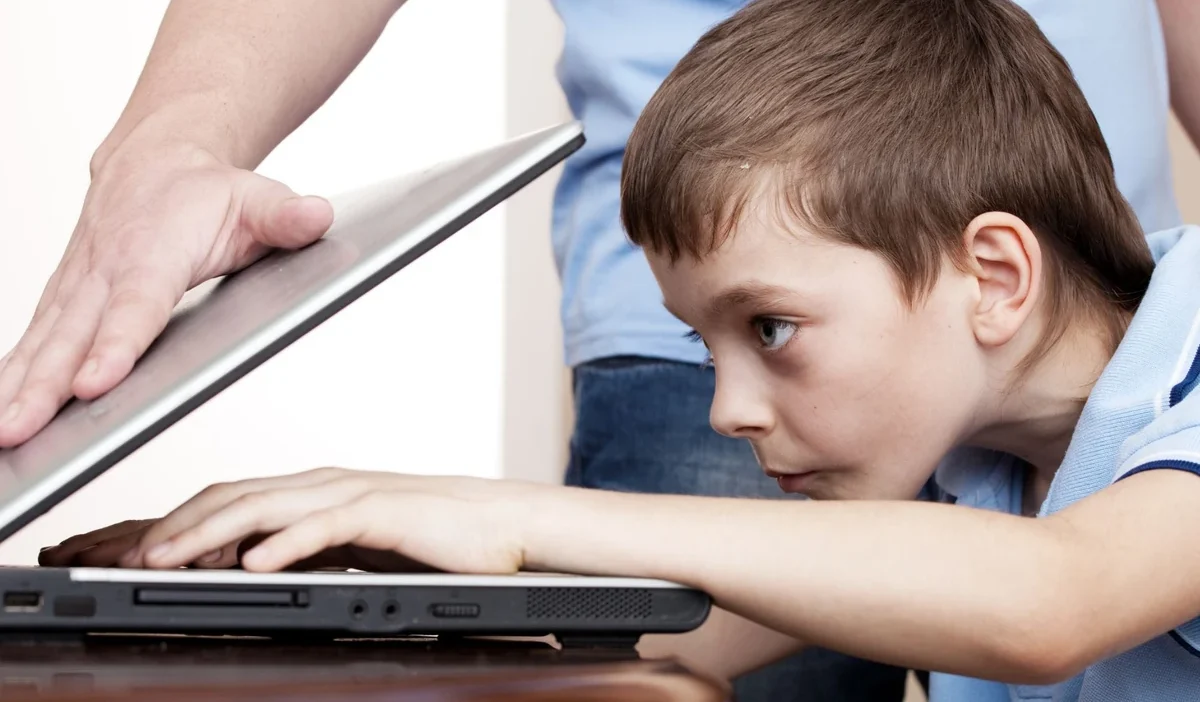
Australia bans social media for under-16s, creating global precedent amid debate over online safety versus free expression.
Sources of the Ban on Social Media for Young Australians
The ban was supported unanimously by Australia’s two main political forces: the Labor Party and the Liberal-National Coalition. Prime Minister Anthony Albanese stated that social media, particularly for teenagers’ health, should be treated like tobacco addiction. South Australian Premier Peter Malinauskas initiated the campaign after meeting parents who had to bury their children due to social media.
Political Consensus on the Ban
Adult Australians overwhelmingly support the ban, with polls showing over three-quarters in favor. This rare bipartisan agreement reflects a desire for Australia to lead in tightening policies against big tech. The legislation aims to set a model for similarly-minded governments worldwide.
Which Social Media Platforms Are Covered by the Australian Ban?
The ban currently includes ten platforms: Facebook, Instagram, Snapchat, Threads, TikTok, X, YouTube, Reddit, Kick, and Twitch. Exempt are YouTube Kids, Google Classroom, and WhatsApp, considered educational tools and communication apps. Critics have called for the ban to be extended to gaming sites like Roblox and Discord.
How Will the Australian Ban Be Enforced?
Children and parents won’t be penalized for violations. Instead, social media companies could face fines up to 49.5 million Australian dollars (32 million US dollars) for serious or repeated violations. Companies must implement “reasonable steps” including age verification technologies like government IDs, facial recognition, or behavioral analysis.
Since the ban’s implementation, over 4.7 million Australian social media accounts have been deactivated. Meta began closing children’s accounts on Facebook, Instagram, and Threads from December 4, 2025, with options for age verification via government ID or selfie video.
Big Tech Will Pay – Or Just Pretend to Pay?
Some fear age verification technologies may incorrectly block adults while failing to detect underage users. Questions remain about the scale of potential fines, with former Facebook director Stephen Scheeler noting Meta earns 50 million Australian dollars in about an hour and 52 minutes.
Some teenagers created fake profiles before the deadline despite government warnings. Others moved to shared accounts with parents. Predictions suggest a surge in VPN usage similar to the UK after age control regulations were introduced.
Why Was Australia First?
While not the first to consider such restrictions, Australia is the first jurisdiction to refuse exemptions even with parental consent, making it the world’s strictest. The government will review the ban within two years, with Communications Minister Anika Wells stating it’s a “treatment plan, not a cure” that must evolve.
Many Australian politicians are deeply concerned about social harms caused by big tech. However, critics suggest the media market dominated by Rupert Murdoch’s News Corporation (controlling about two-thirds of the country’s newspaper circulation) played a significant role in pushing for this legislation.
On the Other Side, Things Are Heating Up
US President Donald Trump has vowed to oppose any state attacking American tech companies. Australia’s eSafety Commissioner has been summoned to testify before the US Congress. While acknowledging the right to object, Communications Minister Anika Wells emphasized her commitment to fulfilling Australia’s duty to its citizens.
A Month After Introducing Restrictions
One month after implementing the new age restrictions policy, the most notable aspect is what hasn’t happened. There was no backlash, no surge in unintended harms, and consequently no collapse of the new policy. However, it may be too early to assess the long-term consequences of the ban.
The Australian case serves as a suggestive study case in consciously shaping digital policy and managing media and communication in the 21st century. It raises challenges for critics of such radical regulations, particularly in separating substantive criticism from objections by tech companies and the Trump administration.
Children Offline, Advertising Industry in Crisis
If more countries exclude such large user groups from social media, brands built on social media content promotion and marketing would face drastic declines in key consumer segments. Fashion, beauty, gaming, and entertainment sectors could be particularly affected.
Without youth and children under 16 on social platforms, many companies would need to find alternative, more expensive and less dynamic channels to reach younger consumers. This digital market realignment would benefit entities like YouTube that escaped the regulatory axe, though the consequences would be difficult to predict, with potentially increased advertising costs being the mildest impact.