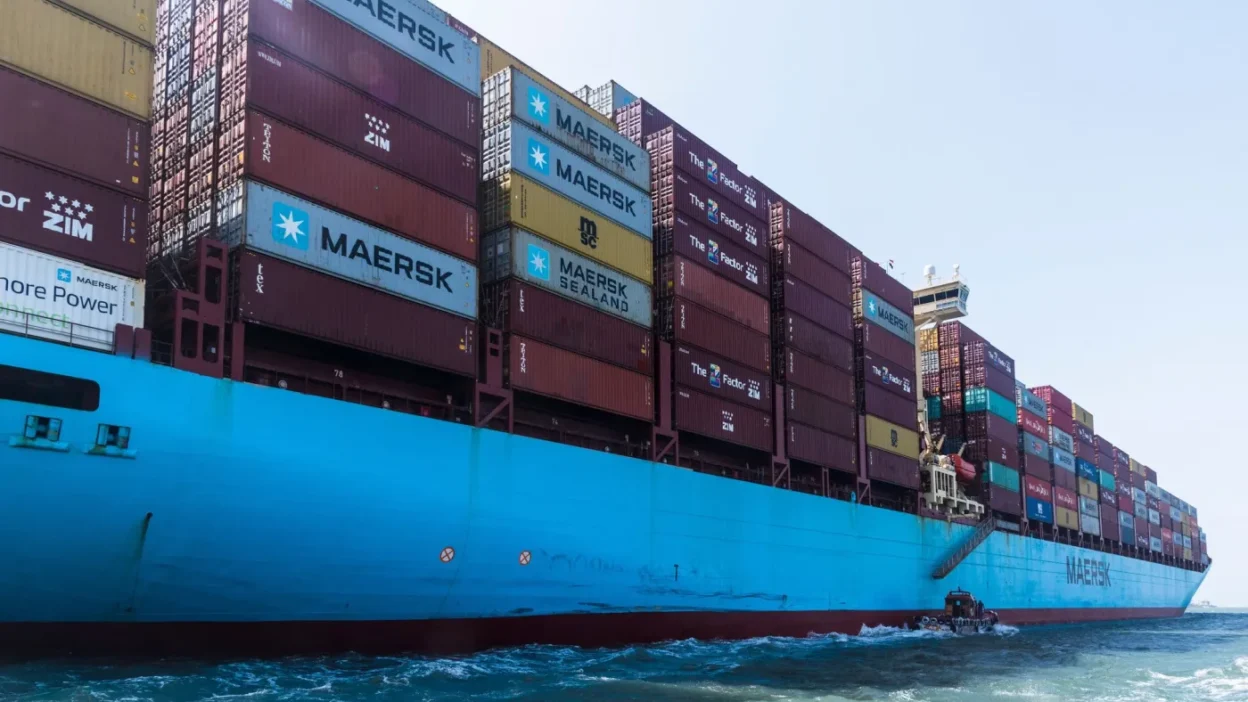
China predicts global clothing prices could rise by 15% this fall due to the ongoing conflict involving the US, Israel, and Iran.
Clothing Prices to Rise Amid Iran Conflict
China forecasts that global clothing prices may increase by up to 15% by autumn as a result of the conflict between the US, Israel, and Iran, which began on February 28th.
The blockage of the Strait of Hormuz by Iran and retaliatory attacks on airports in the Persian Gulf are significantly impacting South Asian producers, dramatically increasing production and transportation costs.
South Asian Textile Industry Impacted
The South Asian textile industry, with approximately $50 billion in exports, is facing shortages of natural gas needed to power factories and petrochemical raw materials for synthetic fiber production.
Drone attacks on airports, including those in Dubai, have increased air freight rates for “fast fashion” by 70%.
Industry Anticipates Price Increases
Julia K. Hughes, head of the American Apparel & Footwear Association, believes “everyone is expecting price increases,” but the scale depends on a company’s market position.
Budget brands intend to maintain current prices until stocks are depleted, then raise them, while premium clothing manufacturers may absorb some of the higher costs to retain customers.
Economic Impact on Pakistan and Bangladesh
Farwa Aamer, program director at Asia Society Policy Institute, emphasizes that these disruptions will create “immediate pressure on export volume and employment,” impacting economies like Bangladesh and Pakistan.
These countries rely heavily on the textile industry as a source of livelihood for millions.
Shift in Production Locations Expected
Experts also predict that Western companies will accelerate the relocation of production closer to consumer markets.
Consumer Advice: Choose Natural Fibers
Waseem Akhtar Khan of Pakistani firm Cotton Web, which produces for Western companies, advises consumers to choose clothing made from natural materials like linen and cotton.
These materials are less susceptible to price fluctuations in petrochemicals compared to synthetics like polyester and nylon.