


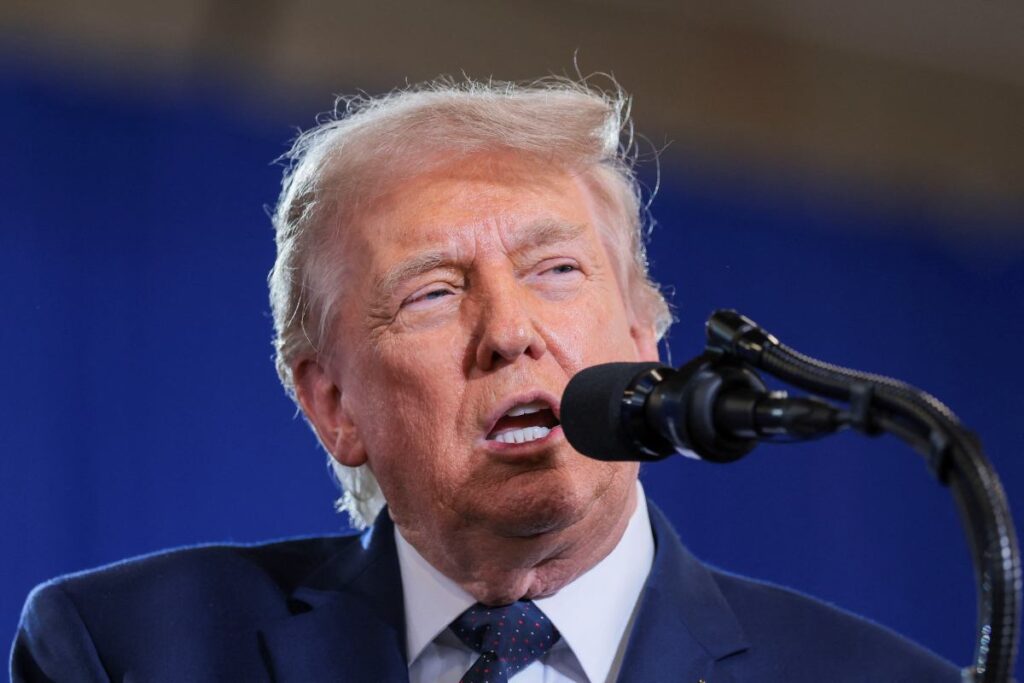
Mounting American war fatigue and deep-seated skepticism over potential outcomes leave President Trump with few viable options to conclude the conflict in Iran without incurring significant political damage.
Americans Demand an End to the Conflict
Recent polling reveals that American voters are increasingly tired of the war in Iran. From the outset, the public remained skeptical of the military operation, and they now hold little expectation that Tehran will offer significant concessions or that any resulting agreement will justify the costs already incurred.
A Fox News poll indicates that only 39 percent of registered voters believe U.S. military actions should continue “as long as it takes” to achieve Washington’s objectives, while 61 percent favor a time-limited operation.
Data from the New York Times and Siena College shows that 52 percent of respondents believe the U.S. should end military operations even if no nuclear agreement is reached with Iran, compared to 37 percent who support resuming operations in the absence of a deal.
Waning Confidence in a Successful Resolution
CNN reports that Trump’s challenge extends beyond war fatigue to a fundamental lack of public belief in a successful outcome. Only 22 percent of those surveyed by the New York Times and Siena College expect the war to be “very effective” in eliminating Iran’s nuclear program; 18 percent expect partial success, while 50 percent anticipate failure.
Trust in a potential peace agreement is also low. According to a Washington Post and ABC News survey, 65 percent of Americans lack confidence that a deal will actually prevent Iran from developing nuclear weapons.
Although Trump initially campaigned on “unconditional surrender” and set stringent goals—such as ending Iran’s nuclear program and cutting funding to Hamas and Hezbollah—Aaron Blake notes that current negotiation terms appear significantly more lenient.
The Political Burden of War
Polls show that a majority of Americans doubt the war is worth the price paid. The New York Times and Siena College study found that 55 percent of voters believe the conflict will not be worth the losses sustained, versus 21 percent who disagree.
Furthermore, 61 percent of respondents in a Washington Post and ABC News survey believe the war has increased the risk of terrorism against Americans, 56 percent fear strained relations with allies, and 49 percent expect decreased stability in the Middle East.
CNN asserts that even if Trump negotiates a favorable agreement, many voters may conclude that it fails to offset the political, financial, and security costs of the war.
The Least Bad Option
CNN analysis suggests Trump made two primary errors early on: failing to present a clear, realistic plan to end the war and failing to convince the public of the operation’s necessity and value.
The network concludes that the president is now in a position where ending the war without a full victory will be politically painful, yet continuing the conflict could be worse. For Trump, exiting the war now may be the “lesser of two evils.”