Violent protests erupt across Pakistan following the death of Khamenei, with clashes between security forces and demonstrators, and escalating conflict with Afghanistan.
Karachi Protests Turn Deadly
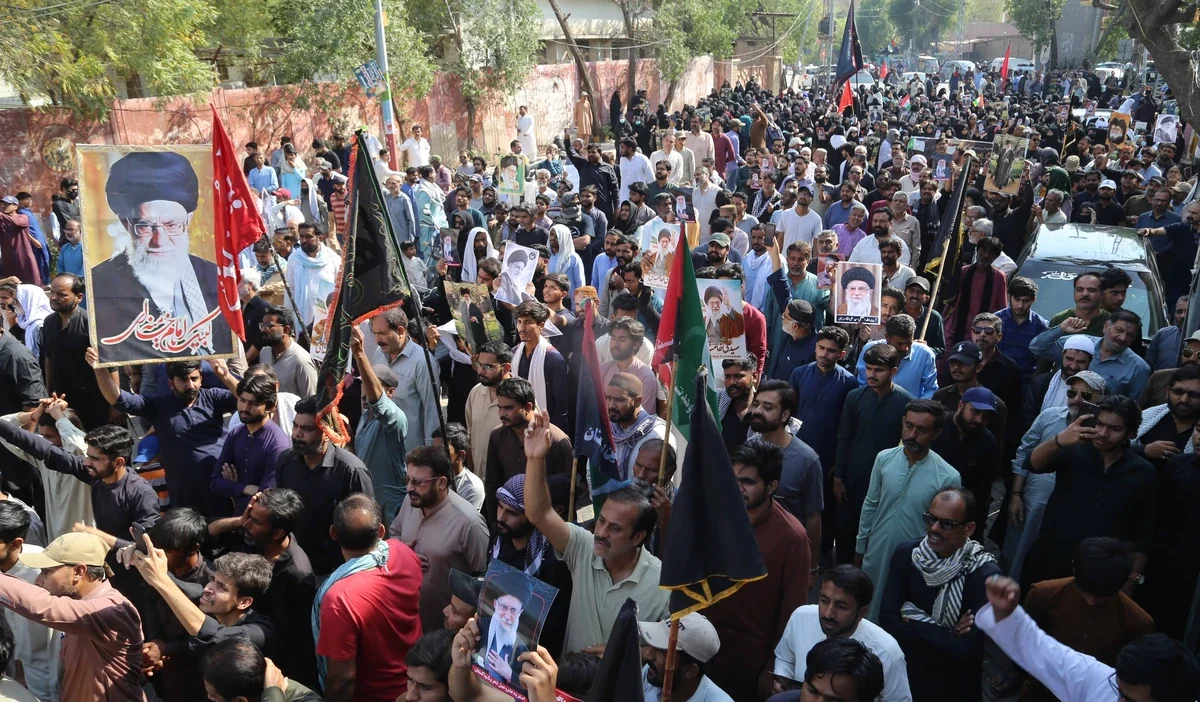
Demonstrations quickly escalated into violent clashes with security forces, resulting in fatal casualties and significant damage to diplomatic infrastructure. In Karachi, protesters stormed the US consulate, prompting security personnel to use live ammunition. Local authorities report at least nine fatalities and 34 injuries in the ensuing violence.
The predominantly Shia crowd chanted anti-American and anti-Israeli slogans and demanded revenge for Khamenei’s death. These protests forced US authorities and other nations to increase security around diplomatic missions and issue warnings to their citizens about potential threats.
Skardu: UN Office Targeted
In Skardu, a northern tourist base at the foothills of the Himalayas in Gilgit-Baltistan region, protests also turned violent. Hundreds of demonstrators set fire to a United Nations office, destroying the building and forcing partial closure of municipal infrastructure.
Regional authorities report no fatalities in this attack, but tensions remain extremely high in this majority-Shia area, which has become one of the epicenters of discontent against US and Israeli foreign policy.
Protests in Other Major Cities
Protests in other major centers like Lahore and Islamabad were generally less violent, though clashes with police occurred and crowds attempted to approach diplomatic zones. In Islamabad, diplomatic areas were completely closed to the public. Police repeatedly used tear gas to push demonstrators away from key facilities.
Regional Tensions Escalate
According to AFP, Karachi crowds attempted to storm the US consulate, damaging property and attacking police posts. Police and Rangers repelled the demonstrators, but casualties could not be avoided. Some reports indicated eight to twelve fatalities and over 30 injuries from the gunfire and clashes.
The events in Pakistan are not occurring in isolation from broader geopolitical tensions in the region. Prior to the escalation of protests in Pakistan, serious clashes were already occurring along the Afghan-Pakistani border. Islamabad and Kabul accuse each other of aggression.
Afghanistan-Pakistan Conflict
Pakistani authorities accuse Afghan Taliban of tolerating and supporting the Tehreek-e-Taliban Pakistan (TTP), which has long conducted armed operations in Pakistan. Kabul rejects these accusations as baseless and emphasizes that Pakistan’s actions violate Afghanistan’s sovereignty.
In response to attacks by Afghan border forces and occupation of posts, Islamabad began a series of airstrikes on targets in Kabul and Kandahar and Paktia provinces, marking an unprecedented escalation of the conflict. Pakistani Defense Minister Khawaja Asif openly called this an “open war,” while Afghan media report heavy fighting and retaliatory actions against Pakistani targets.
International Response
Both the international community and regional actors have expressed concern about the rising violence. The European Union Council called on both conflicting parties – Pakistan and Afghanistan – to immediately de-escalate military actions and begin diplomatic talks, emphasizing the need to respect international law and protect civilians.
The UN, China, Saudi Arabia, and Iran have also expressed concern about the escalation, with the latter declaring its readiness to facilitate dialogue between neighboring countries.
Deeper Regional Problems
Both in the line of protests in Pakistan and in clashes with Afghanistan, deeper structural problems of the region are visible: historical disputes over the Durand Line, ethnic tensions, and long-standing security and terrorism issues. These factors give the current clashes broader geopolitical context and could contribute to greater instability in South Asia if not resolved through dialogue and compromise.