


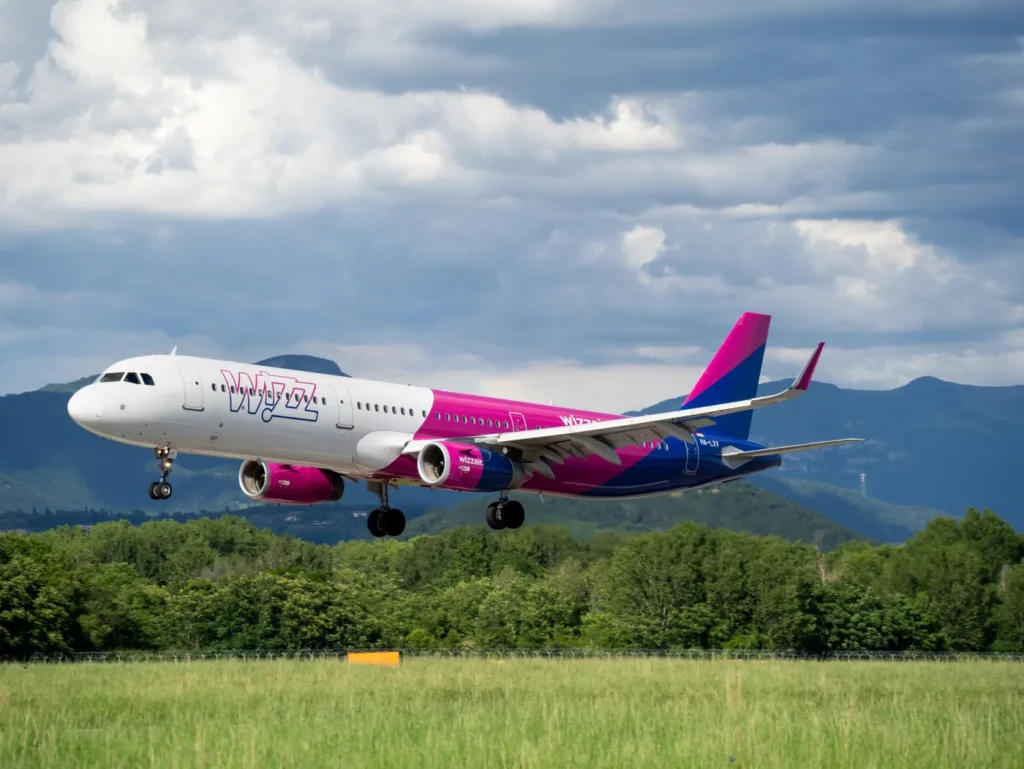
A military incident and wider Middle East tensions are causing a drop in bookings, prompting Wizz Air and Ryanair to reduce flights to Cyprus.
Initial Holiday Hit Turns to Crisis
Just months ago, Cyprus appeared poised for a strong summer tourism season, fueled by expanding flight connections, attractive prices, and relative stability. However, the situation changed dramatically in early March, triggering immediate reactions from tourists and airlines.
Iranian Drone Attack Sparks Concerns
Between March 1st and 2nd, a military incident occurred when an Iranian drone attacked the British Akrotiri military base in Cyprus. While no damage or casualties resulted, the event significantly impacted the island’s tourism-dependent economy.
Mass Cancellations and Declining Demand
Travelers immediately began cancelling reservations and showing decreased interest in visiting the island. Travel agencies and booking portals reported a sharp decline in summer tour sales, which had previously been expected to be record-breaking.
Geopolitical Context Amplifies Fears
The ongoing conflict in the Middle East, including tensions between Iran and Western nations, and regional instability, heightened tourists’ safety concerns. Experts note that even isolated military incidents near popular destinations can deter less experienced travelers.
Wizz Air Reduces Flights to Larnaca and Paphos
Wizz Air was the first airline to adjust its offerings in response to falling demand, reducing the number of flights from several Polish cities to Larnaca and Paphos.
Wizz Air Route Changes
Changes affected routes from Katowice, Gdańsk, and Wrocław to Larnaca, as well as the Modlin to Paphos route. Radom also saw a reduction from three to two weekly rotations.
Impact on Major Polish Airports
Even major airports were affected; Kraków reduced flights to Larnaca from five to three or four weekly starting in April. Warsaw Chopin Airport will decrease connections from seven to five weekly from the end of May, eliminating Monday and Friday flights.
Temporary Adjustments with Future Expansion Planned
However, reservation system data indicates a planned expansion of the flight schedule from September 21st, with flights returning to a daily schedule, suggesting the current reductions are temporary responses to market conditions.
Ryanair Also Limits Paphos Connections
Ryanair followed suit, reacting to decreased travel interest by reducing the number of flights to Paphos during the summer season.
Ryanair Route Changes – Summer Schedule
These changes apply from June to the end of October and affect several Polish cities. Flights from Gdańsk will decrease from four to three weekly, eliminating Wednesday connections. Katowice will see a reduction from three to two flights weekly, removing Thursday rotations.
Significant Reductions in Kraków and Other Cities
Kraków will experience the most significant changes, with connections reduced by half, from four to two weekly, eliminating Wednesday and Sunday flights. Similar patterns are seen in Modlin and Wrocław, with selected days removed from the schedule, reducing available flights to three weekly.
Falling Demand and Shift to Alternative Destinations
Reducing flights is a standard airline response to declining demand. When bookings fall and planes are not filling as expected, airlines reduce routes to avoid financial losses. Industry data shows flight searches and bookings fell by tens of percent in the weeks following the incident, compared to the previous year. Interest in alternative destinations like mainland Greece, Turkey, and Spain is increasing.
Perception of Risk and Operational Costs
Experts point out that while Cyprus remains a safe country, tourists’ perception of threat often differs from the actual situation. Even limited military incidents can have a lasting impact on tourism. Airlines also face rising operational costs related to avoiding certain airspace in the Middle East, leading to longer routes and increased fuel consumption.
Uncertainty for the Summer Season
The current situation highlights tourism’s vulnerability to geopolitical factors. The summer season in Cyprus, once expected to be one of the best in years, is now uncertain.
Much depends on the further development of the situation in the Middle East and whether tensions can be eased. If tensions subside, tourism could gradually recover and flight connections restored. However, airlines are currently reacting cautiously, adjusting their offerings to reflect real travel interest.