Czechia joined Poland, Germany, and Baltic states in urging the EU to tighten visa rules for ex-Russian military personnel, fearing risks to Schengen security.
Joint Letter to EU Commission and Council
Leaders of Poland, Germany, the Baltic states, Sweden, Finland, Lithuania, and Romania have sent a letter to the European Commission and the European Council expressing concerns that Russian soldiers could pose a threat to individual countries and the Schengen area as a whole.
The issue is scheduled to be discussed at the European Council meeting on Thursday, March 19th.
Czech Support Confirmed
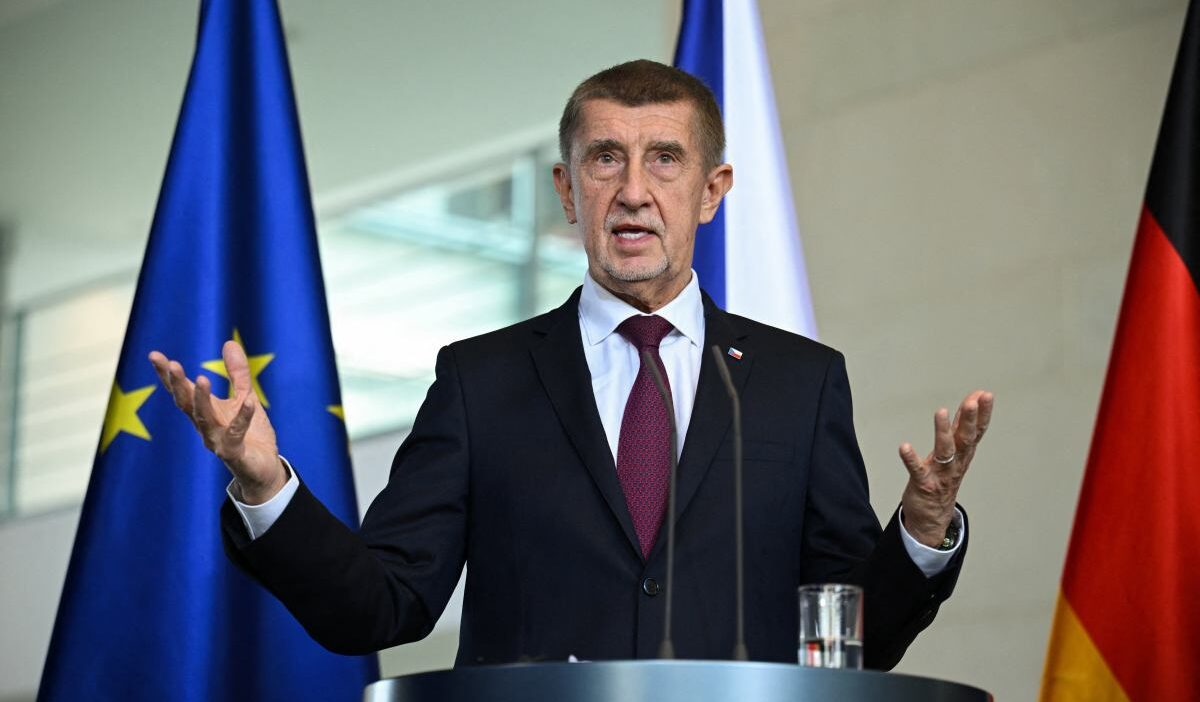
Czech Prime Minister Andrej Babiš announced on Wednesday, March 18th, that his country had signed the letter, following discussions and approval during a meeting of the three parties forming his coalition government.
Debate Over Scope of Restrictions
Tomio Okamura, leader of the Freedom and Direct Democracy (SPD) party and Speaker of the Chamber of Deputies, suggested the measures should apply to all war veterans from Ukraine. He stated that Ukrainian veterans could also pose a security risk.
Babiš confirmed this opinion was raised during the coalition council meeting but clarified that the current proposal focuses on Russian military personnel.
Potential Security Risks Highlighted
The letter’s authors emphasize the risks associated with the potential influx of former and current Russian soldiers into the Schengen area, citing threats to internal security.
They warn that individuals who participated in the war as part of the aggressor state’s armed forces pose a serious threat through violent crime, organized criminal networks, extremist movements, and hostile state actions within Russia’s hybrid warfare context. The group includes over 18,000 previously convicted criminals recruited from Russian prisons.
Increased Visa Applications and Rotation of Forces
The Prime Ministers and heads of state noted that the number of Schengen visas issued to Russian citizens is already increasing rapidly.
Given the free movement within the Schengen area, they believe this creates a threat to all member states, especially with the rotation and potential demobilization within the Russian army, likely increasing the number of individuals with recent combat experience seeking entry into the EU.
Call for Action and Restrictions
The politicians are urging the heads of the European Commission and the Council to take action to limit the influx of Russian military personnel into the EU, including refusing visas and residence permits, and imposing long-term entry bans throughout the Schengen area.
Shifting Perceptions of Ukraine
Serhiy Danylov, deputy director of the Ukrainian Center for Middle Eastern Studies, noted a change in Arab perceptions of Ukraine, stating, “Arabs previously did not view Ukraine as a player that could contribute something. Now we are seeing a change.”