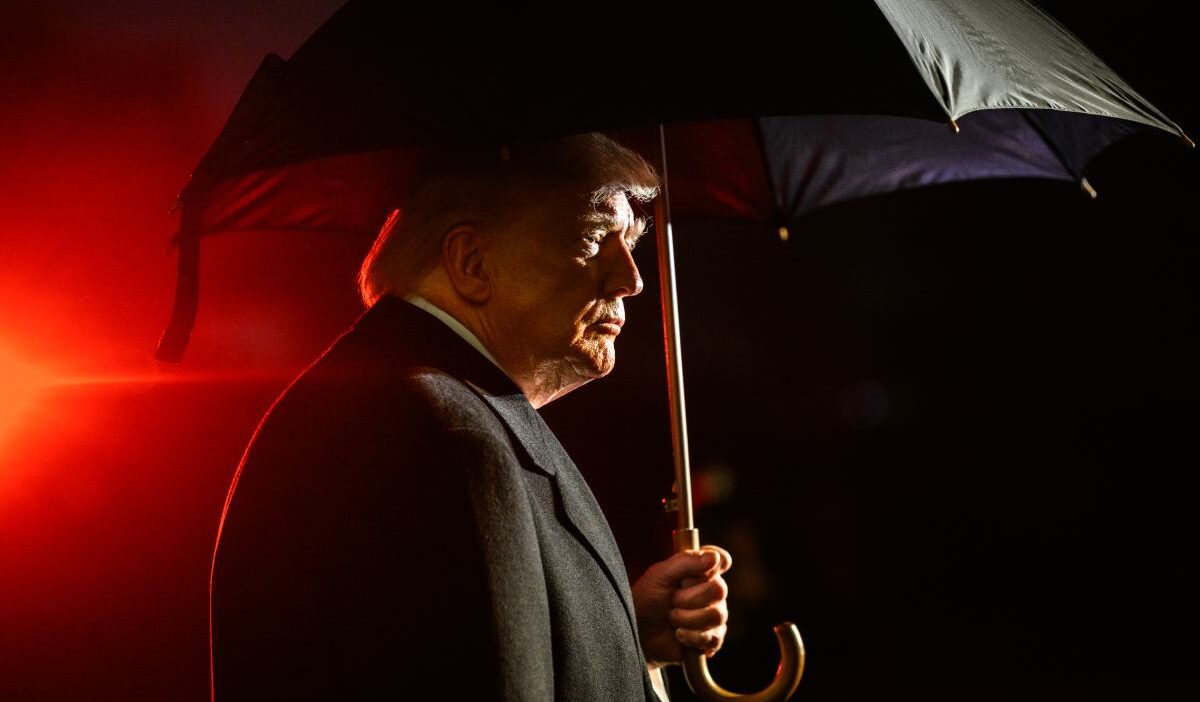
Donald Trump’s approval ratings have dropped 10 points to 37% amid multiple crises, with expert Magdalena Górnicka-Partyka warning his faithful base is eroding.
Slipping Polls and Broken Promises
Almost exactly one year into Donald Trump’s presidency, the White House is shaken by multiple crises and scandals – from the deaths of two citizens at the hands of ICE agents, to incriminating documents involving Jeffrey Epstein, and the spectacular failure of the film “Melania.” A January Pew Research Center study shows Trump’s approval rating has dropped to 37%, a 10-point decrease since he took office. Half of respondents rated the Trump administration’s performance worse than expected, while only 21% disagreed and 27% supported all of the president’s actions.
This 27% represents Trump’s “hard” electoral base willing to support everything he does, which has itself shrunk by 8 percentage points in the past year, according to Pew Research.
Immigration Policy Backfires
Trump’s second major problem, according to the expert, is immigration policy. For a long time, even as Trump lost in polls, his immigration policy was well-received. That changed recently – a New York Times poll showed 61% of Americans believe ICE actions have gone too far, with people not wanting to see such immigration policies or images, or to end with the deaths of two American citizens.
Foreign Policy and Economic Concerns
The analyst also mentioned Jeffrey Epstein documents where the president appears thousands of times, as well as foreign interventions. Voters don’t want globalists or democracy imposed abroad at gunpoint. They want someone who will say “America First” and focus on Americans’ needs and wallets. Instead, Trump is focusing on Venezuela, Greenland, and other issues that don’t matter to average Americans.
The promised “golden age of America” from Trump’s inaugural address has not materialized, with Americans facing rising prices without feeling their lives are improving, according to Górnicka-Partyka.
Democratic Party Challenges
Democratic victories in special elections, like Taylor Rehmet’s 14-point win in Texas against a Trump-backed candidate who spent much more on campaigning, signal changing public sentiment. Americans are tired of Trump’s unfulfilled vision, but Democrats lack a clear strategy and cohesive leadership to capitalize on this.
Despite successes like Zohran Mamdani’s election as New York City Mayor and wins in Virginia and New Jersey gubernatorial races, the Democratic establishment remains divided. Former presidents Obama and Clinton had to speak out after the Minnesota tragedy because there’s no single loud leader in the party, and Gavin Newsom is the only prominent figure using Trump’s language against him.
Vice President Kamala Harris is focused on promoting her book rather than actively critiquing Trump’s policies, leaving Democrats without a clear figure to oppose him.
Fear Tactics and Deportation Strategy
Trump is creating a dramatic narrative portraying ICE agents as heroes and undocumented immigrants as villains to build fear and position himself as America’s savior. This fear-based approach was intended to encourage self-deportation, but many Americans are rejecting it.
Unlike Obama’s “Deporter-in-Chief” approach focused on prison investigations, Trump’s industrial-scale deportations with raids in neighborhoods and specific communities are creating backlash. Many Americans are seeing ICE agents in action for the first time, finding it terrifying rather than reassuring. The deaths of two American citizens at the hands of federal services were the final straw for many.
Trump’s showmanship from his reality TV background may be backfiring as Americans see not just the criminals he promised to remove, but also nurses, farmers, construction workers, caregivers, and others who built their lives in the US – contradicting his official narrative.