


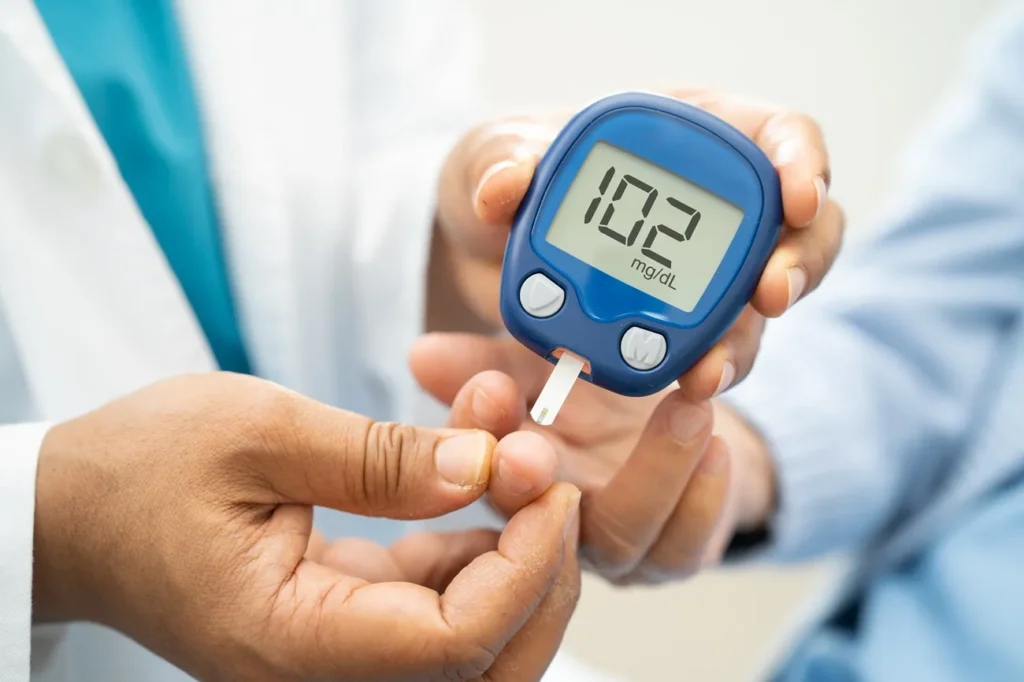
Higher co-pays for diabetes medications will take effect in Poland on April 1, 2026, with some drugs increasing by over 100 złoty.
New Reimbursement List and Increased Co-Pays
A new reimbursement list comes into effect on April 1, 2026, leading to higher co-pays for patients with diabetes. While some changes are minimal, others will increase the cost per package by over 100 złoty.
The most significant increases affect modern therapies also used in heart and kidney disease.
Which Medications Are Affected?
The changes do not apply to all diabetes medications, but they do encompass several key groups used in the treatment of type 2 diabetes. Patients will feel the biggest difference when filling prescriptions for these specific medications.
Cost Increases for Specific Drugs
From April 1, 2026, co-pays for diabetes medications will increase. The largest increases are for so-called flozins – drugs used in type 2 diabetes, but also in heart failure and chronic kidney disease. This will nearly double the cost of treatment for some patients, increasing the monthly budget burden and potentially limiting access to therapy.
Increases reaching several dozen złoty per month may be particularly burdensome for the elderly and chronically ill who take multiple medications simultaneously.
Medications with Minimal Cost Changes
Not all diabetes medications will see substantial price increases; some will only rise by a few groszy.
Specific Drug Price Changes (as of April 1, 2026)
Here are some examples of price changes:
Jardiance 10 mg (60 tablets): Co-pay increases from 93.85 zł to 199.81 zł (+105.96 zł)
Why Are Co-Pays Increasing?
The changes in co-pays are not directly due to price increases, but to the reimbursement mechanism. Each announcement by the Minister of Health updates, among other things, funding limits, reference prices, and patient co-payment levels. Even a small change in the system can translate into a significant increase in the co-payment at the pharmacy counter.
In the case of flozins, the key factor is the change in reimbursement limits, the emergence of new generics, and shifts in limit groups.
Who Will Be Most Affected?
Patients using modern therapies, particularly flozins, are most at risk of increased costs. Their monthly treatment costs could increase by several dozen złoty. Patients using older, well-established medications will experience minimal or no changes.
Options for Lowering Costs
The new reimbursement list also provides for the introduction of generics, which could lower the prices of some therapies in the long run. However, as of April 1st, many patients will simply face higher bills at the pharmacy.
Frequently Asked Questions
Will I pay more for every diabetes medication from April 1st? No. Many medications will become only slightly more expensive (by a few groszy), but co-pays for modern therapies will increase by several dozen or over 100 złoty.
Which medications have increased the most in price? The largest increases apply to flozins, including Jardiance, Forxiga, and Invokana. These drugs are used not only for diabetes but also for heart and kidney disease.
Why are co-pays increasing if the medications are still reimbursed? Because reimbursement limits and reference prices are changing. A drug may remain on the reimbursement list, but the patient pays a larger portion of the price.
Can I switch to a cheaper medication? Sometimes, but only after consulting with a doctor. Not every drug has a direct equivalent with the same effect.