


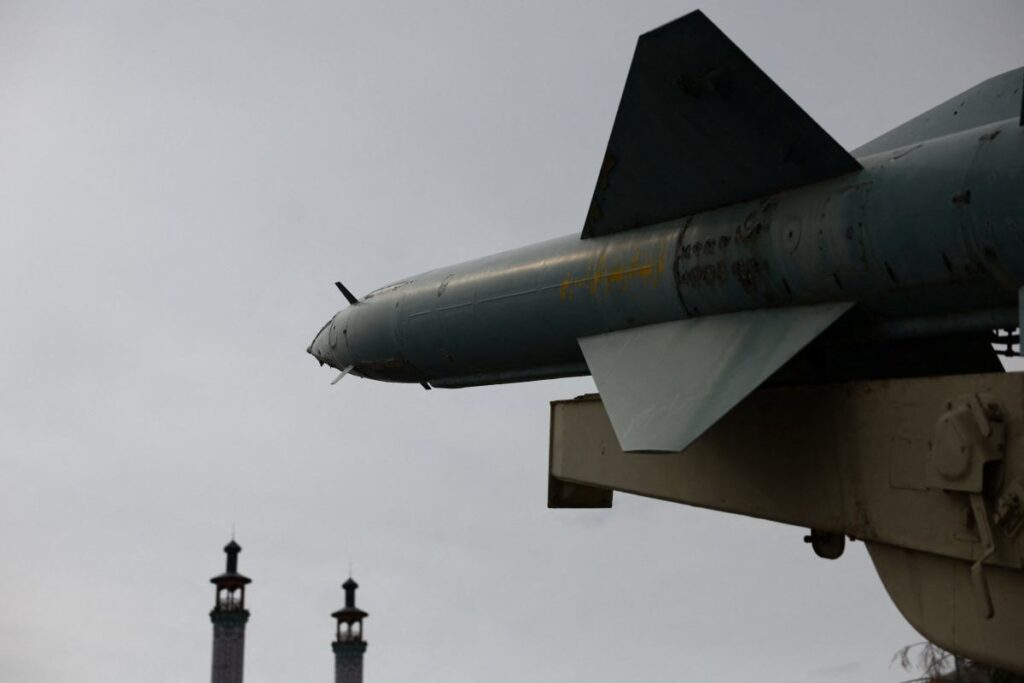
Drone strikes targeted Kuwait’s capital overnight, damaging facilities belonging to the oil ministry and triggering concerns of escalating conflict.
Drone Attack on Kuwaiti Infrastructure
Drones struck Kuwait City overnight, hitting a Kuwaiti oil ministry office complex, a power plant, and a desalination facility. Authorities report significant damage and disruptions to production capacity.
Escalating Regional Conflict
The attacks are part of a widening conflict in the Middle East, initiated by U.S. and Israeli strikes on Iran on February 28th. In retaliation, Tehran has targeted countries in the Persian Gulf hosting U.S. military bases.
Potential Shift in GCC Approach
There are growing concerns that further escalation by the U.S. and Israel could lead to additional Iranian strikes on infrastructure in Gulf Cooperation Council (GCC) countries – Saudi Arabia, Bahrain, Qatar, Kuwait, Oman, and the United Arab Emirates.
Al-Jazeera reports that GCC nations, despite substantial defense spending (approximately $115 billion annually), are increasingly signaling a potential shift in their approach of de-escalation.
Iran’s Retaliatory Strikes and Strait of Hormuz
Since February 28th, Israel and the U.S. have been attacking Iran. In response, Tehran has attacked Israel and other regional countries, targeting U.S. bases and key industrial facilities, particularly petrochemical plants. Iran has also blocked the Strait of Hormuz.
The Strait of Hormuz handles roughly 20-21 million barrels of oil and petroleum products daily, representing about 20% of global consumption, and over 25% of global seaborne oil trade. It also facilitates approximately 20% of global liquefied natural gas trade, primarily from Qatar.
UK Deploys Air Defense System to Kuwait
The United Kingdom announced the deployment of a Rapid Sentry air defense system to Kuwait to protect British and Kuwaiti interests in the Persian Gulf, following a conversation between British Prime Minister Keir Starmer and Kuwait’s Crown Prince Sabah al-Khalid al-Sabah.