


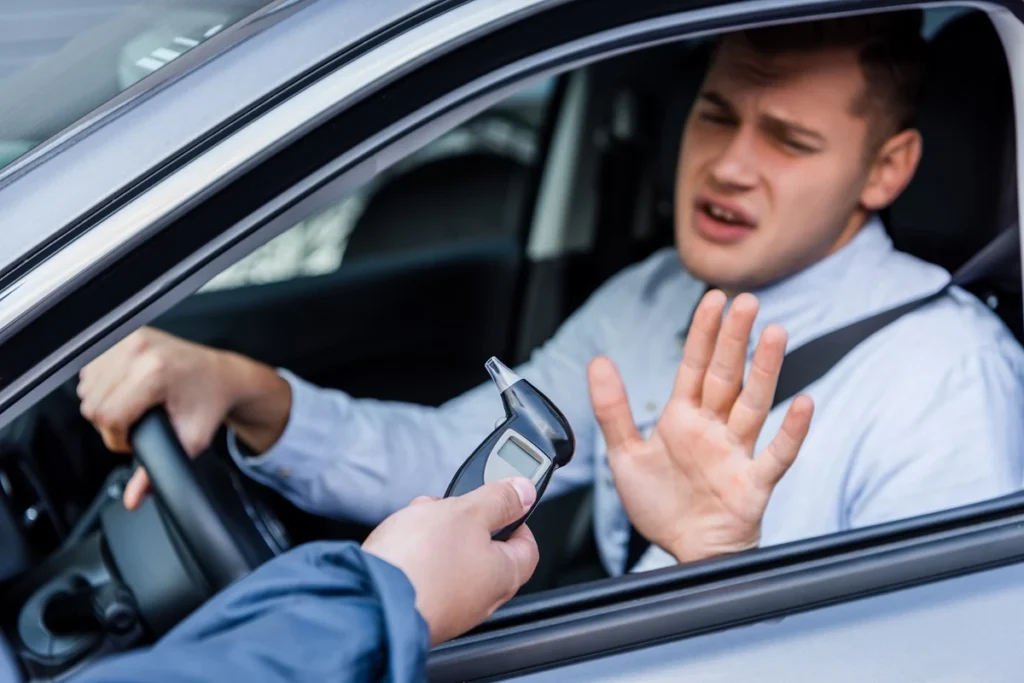
A drunk driver whose car was valued at 35,000 zł had his license suspended but avoided vehicle confiscation after the court deemed the punishment disproportionate.
Vehicle Confiscation and the Principle of Proportionality
A man was caught driving under the influence after consuming alcohol, intending to purchase more drinks. A police breathalyzer test revealed his alcohol level significantly exceeded the legal limit. The Piotrków Trybunalski Regional Court imposed a temporary driving ban but did not order the confiscation of his car, valued at 35,000 zł.
Both the defendant and the prosecutor appealed the decision. The prosecutor argued the lower court should have mandated vehicle confiscation. The appellate court upheld the ruling, emphasizing the first-instance court had clearly justified its decision based on proportionality, the car’s substantial financial value, and it being the defendant’s sole asset. The offense caused no collisions or damages.
District Court: Legislator Permitted Waiving Confiscation
The lower court considered the defendant’s financial situation, determining the vehicle was his only significant asset. Confiscation would deprive him of essential transportation and potentially impact his ability to work. Given the non-consequential nature of the offense under Article 178a(1) of the Penal Code, confiscation would constitute a grossly disproportionate reaction, the court stated.
The severity of the penalty depends solely on the car’s value, making it arbitrary and disconnected from the degree of guilt or societal harm, the appellate court added.
Appeals Court Prosecutor Overlooked Legal Provision
The appellate court criticized the prosecutor for neglecting the corrective function of Article 185a(5) of the Penal Code, which mandates vehicle confiscation for drunk drivers exceeding specific alcohol thresholds but permits exceptions in justified cases.
The prosecutor treated confiscation as absolute, but the court highlighted the legislator explicitly allowed waiving it in special circumstances. The cumulative factors—car as sole asset, no resulting harm—validated the lower court’s assessment, dismissing the appeal.