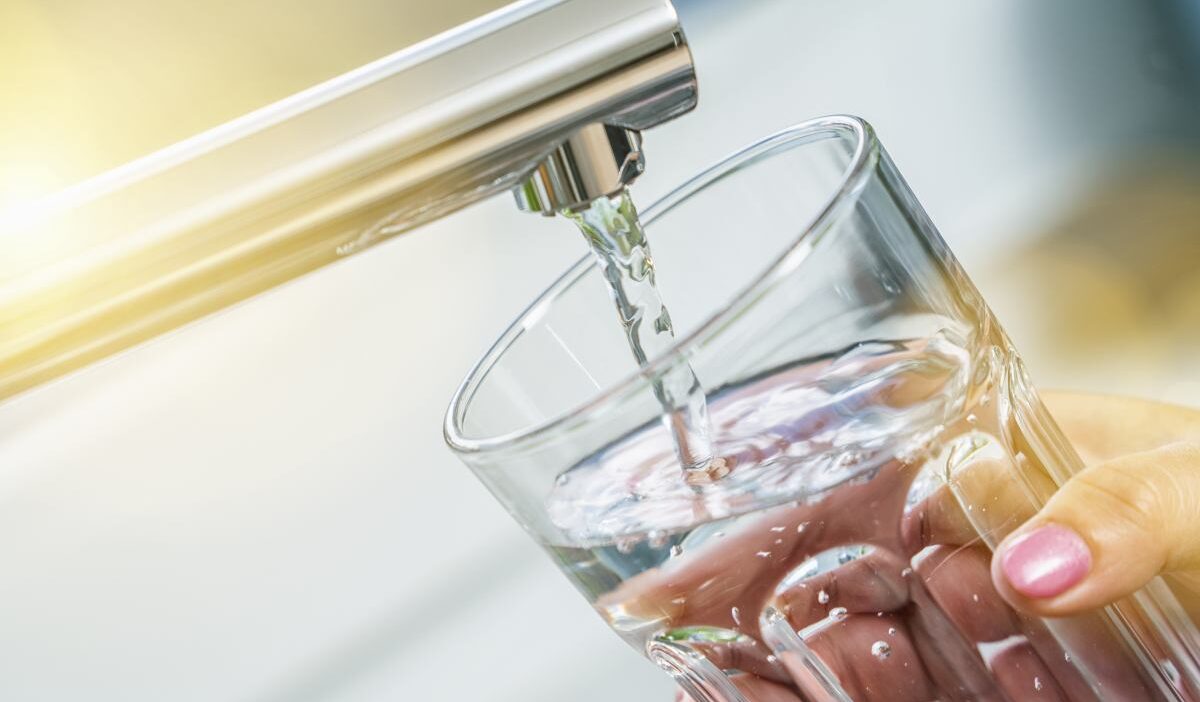
E. coli bacteria were detected in the Oleck water supply on Tuesday, March 17th, rendering the water undrinkable across the city and surrounding areas in northeastern Poland.
Contamination Confirmed, Restrictions Implemented
The Powiat Sanitary and Epidemiological Station in Oleck confirmed the presence of E. coli bacteria in the water supply on Tuesday, March 17th. Consequently, water is unsafe for consumption in Oleck city and county, affecting over 40 localities.
Classes in educational institutions have been canceled until the end of the week due to the contamination.
Ongoing Monitoring and Emergency Response
The State Powiat Sanitary Inspector in Oleck stated that residents will be continuously informed about water quality. The city has already established mobile water collection points.
Crisis Team Mobilized, Resources Deployed
A crisis team, including Warmia-Masuria Voivode Radosław Król, is working to resolve the issue. Tomasz Bartnik, the Voivode’s plenipotentiary, announced that tank trucks and water packaging equipment, purchased with civil defense funds, will be delivered to Oleck on Wednesday.
41 Localities Affected
A total of 41 municipalities are currently impacted by the water contamination.
Neighboring Communities Offer Support
Nearby local governments have pledged full support to the affected municipality, prioritizing the organization of potable water supplies. Tank trucks are intended to mitigate the impact of restrictions caused by the water supply shutdown.
Health Risks and Usage Restrictions
The Government Security Center (RCB) issued a special alert to residents of the affected areas after tests revealed 85 E. coli units per liter of water at an intake on Wojska Polskiego Street in Oleck – a level considered a health hazard.
Restrictions include prohibiting the use of tap water for preparing meals, washing fruits and vegetables, washing dishes, and personal hygiene. Water from the supply can only be used for flushing toilets.
Potential Health Consequences of E. coli Infection
Certain strains of E. coli can cause serious infections, leading to severe abdominal pain, nausea, vomiting, and even bloody diarrhea. The presence of these bacteria in drinking water often indicates fecal contamination, rendering it unsafe for consumption without prior boiling or disinfection.