


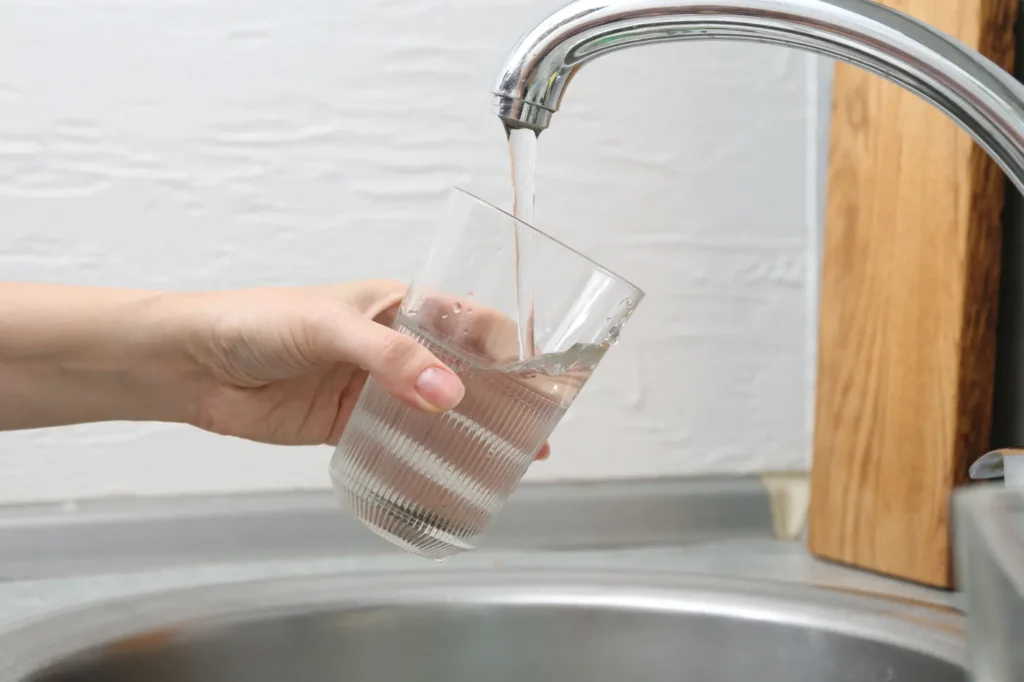
A bacterial contamination of the water supply in northeastern Poland has left 20,000 residents without access to potable water, prompting a crisis response.
Water Contamination and Supply Interruption
Contaminated tap water has led to water supply cuts for 20,000 people in the Warmian-Masurian Voivodeship. Over 40 towns and villages are without access to tap water, and schools and kindergartens have been closed until the end of the week.
The Powiat Sanitary and Epidemiological Station in Oleck reported the detection of E. coli bacteria in the water supply, rendering it unsafe for consumption throughout the city and Oleck County.
Emergency Response and Water Distribution
A crisis management team has been activated, and the voivode is involved in the response. Mobile water collection points have been established. The Polish Army is distributing water via tanker trucks to affected residents, with a total of 26 vehicles involved in the operation.
The voivode indicated the situation could last for two to three days, emphasizing that water preparation is a lengthy process, but also stated there have been no reported cases of poisoning. A water packaging machine is being utilized for the first time to provide water to individuals.
School Closures and Ongoing Monitoring
Classes in educational institutions have been canceled until the end of the week due to the water contamination. The State Powiat Sanitary Inspector in Oleck will continuously inform residents about the water quality in the water network.
Test Results and Situation Assessment
Results of water tests are expected on Friday afternoon. The Deputy Mayor of Oleck, Sylwia Wieloch, stated the situation is difficult but stable and under control, highlighting good cooperation with the military.
The voivode, Radosław Król, visited Oleck and participated in the crisis management team’s meeting. He noted the contamination is significant.
Legislative Context: Water Safety Regulations
The situation coincides with ongoing work on amendments to the collective water supply act, implementing EU Directive 2020/2184, which introduces a rigorous risk assessment and management system. The legislation clarifies supplier responsibility for water quality up to the main water meter.
Parliament rejected a proposal to mandate free tap water in restaurants, prioritizing safety measures such as immediate information sharing about water monitoring between suppliers, Wody Polskie, and the sanitary inspection.