


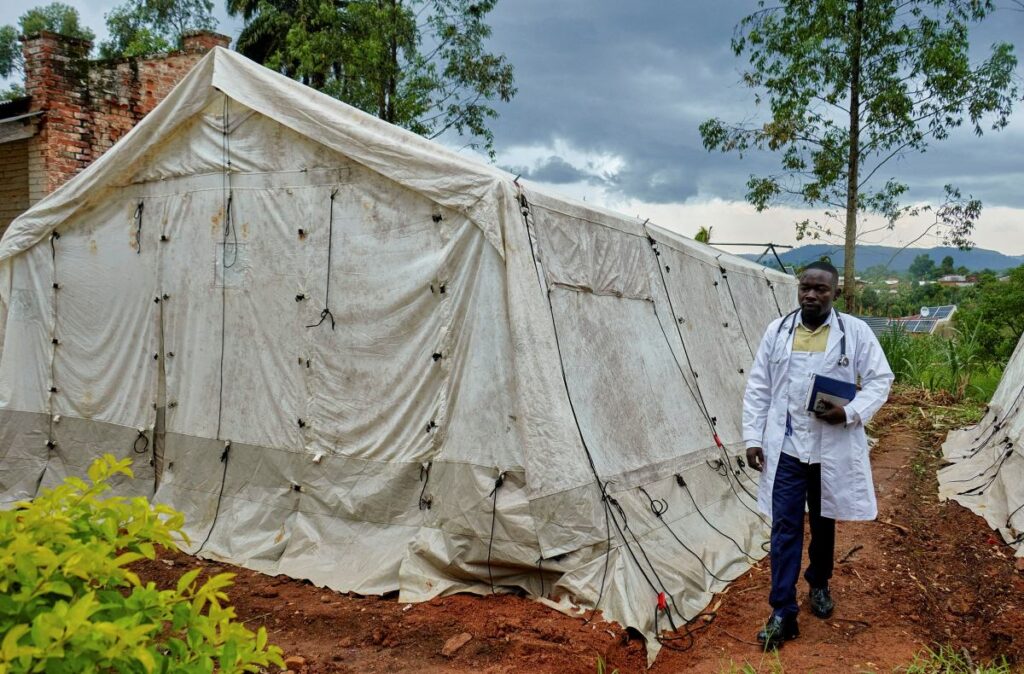
Following a series of violent attacks on healthcare facilities in the Ituri province, 25 Ebola-positive or exposed patients have escaped isolation, leaving at least one confirmed carrier on the loose.
Violence Disrupts Ebola Containment
The current Ebola outbreak, driven by the Bundibugyo variant, has triggered at least three attacks on health facilities in the Ituri province of the Democratic Republic of Congo. During a Saturday attack at the Mongbwalu General Referral Hospital, unidentified assailants burned isolation tents operated by Doctors Without Borders, allowing 18 patients to flee.
Hospital director Dr. Richard Lokodu confirmed that lab results from four individuals showed one positive Ebola case, who remains at large in the community. A subsequent attack on Sunday resulted in seven more patients escaping, while one critical patient died while attempting to leave the facility. Order was only restored following the intervention of Congolese police and military forces.
Motivations Behind the Attacks
Dr. Lokodu reports that the attackers were demanding the bodies of deceased relatives for burial. However, health protocols prohibit the release of bodies due to the high risk of infection, as the virus remains dangerous even after the host’s death.
The World Health Organization (WHO) has warned that traditional funeral ceremonies involving direct contact with the deceased are a significant driver of the disease’s transmission.
Understanding Ebola Transmission and Symptoms
The WHO explains that transmission occurs through direct contact with blood or bodily fluids—including from the deceased—or via contaminated objects. The incubation period ranges from 2 to 21 days, beginning with fever, fatigue, and muscle pain before progressing to vomiting, diarrhea, and organ dysfunction.
In the advanced stages of the disease, patients may experience severe internal and external hemorrhaging and multi-organ failure, according to the Provincial Sanitary and Epidemiological Station in Poznan.