


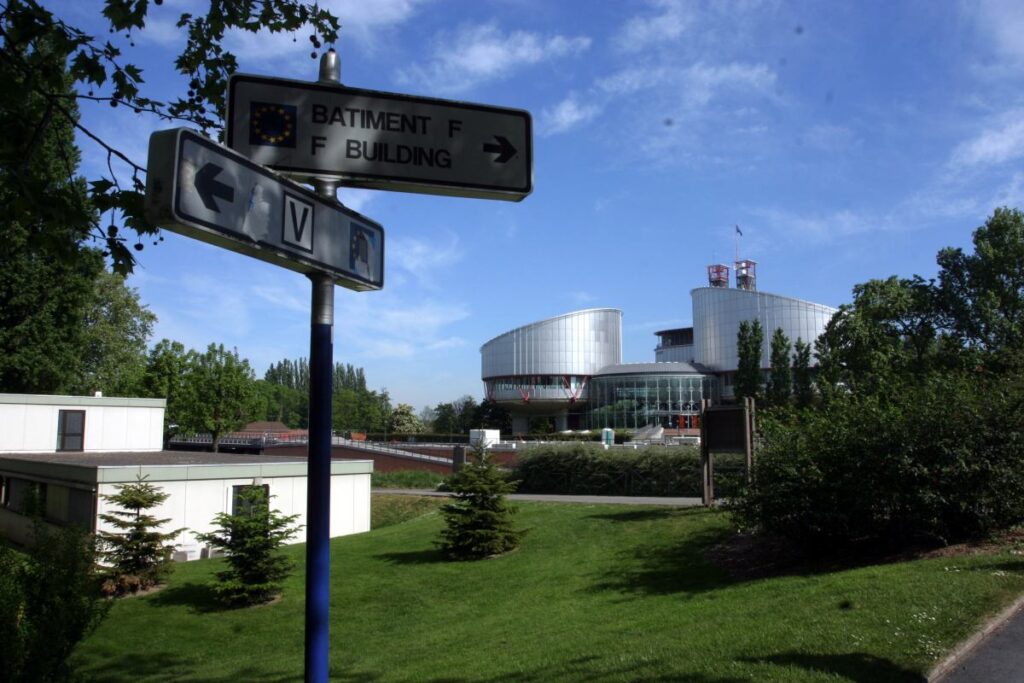
The European Court of Human Rights has ruled against Poland regarding judicial appointments denied by presidents Lech Kaczyński in 2008 and Andrzej Duda in 2016, citing a lack of effective legal recourse.
The 2008 Judicial Appointments Dispute
The ECHR examined a complaint filed by three judicial assessors—Aleksandra Sobczyńska, Adrian Klepacz, and Rafał Brukiewicz—who were denied judicial appointments by then-President Lech Kaczyński in 2008.
The applicants argued that Polish courts failed to provide a hearing regarding the President’s decision, invoking violations of Articles 6 and 13 of the European Convention on Human Rights.
Scope of the Ruling and Affected Parties
In total, six Polish citizens were involved in the proceedings: three judicial assessors, two judges, and one prosecutor, all of whom sought judicial positions in various first and second-instance courts.
The ECHR reported that the three assessors completed their training in 2005-2006 and received approval from both the general assembly of judges and the then-independent National Council of the Judiciary. However, Lech Kaczyński issued an unexplained refusal of their appointments in January 2008.
Legal Deadlocks in Polish Courts
The Supreme Administrative Court ruled in 2012 that the matter fell outside its jurisdiction, directing it to the Constitutional Tribunal, which subsequently refused to review the complaints.
Cases Involving President Andrzej Duda
The second group of applicants sought recourse after being denied appointments during the presidency of Andrzej Duda. They alleged that the refusal of their nominations constituted a violation of Article 8 of the Convention, claiming the executive decisions irreparably harmed their professional careers.