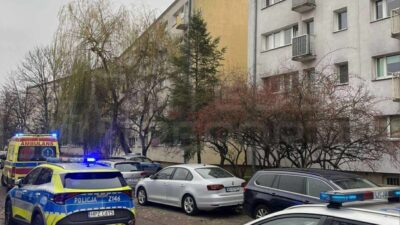
On Monday, December 15, police in Jelenia Góra announced the death of an 11‑year‑old girl found about 200 metres from her school, and the arrest of a 12‑year‑old classmate suspected of using a knife.
Investigation Details
Medical rescue teams reached the scene and found the girl already deceased. The body exhibited injuries consistent with a sharp instrument. Police secured a knife, referred to locally as a “finka.”
The 12‑year‑old, who attended the same school, was detained by investigators. Police noted that the child had no prior legal problems.
Witness Statements
The 12‑year‑old reportedly knew the girl from sight‑seeing but did not have a close friendship. These remarks came from Ewa Węglarowicz‑Makowska, spokesperson for the Regional Prosecutor’s Office in Jelenia Góra.
Expert Analysis
Psychologist Beata Rajba explained that youths who act aggressively are often emotionally lost, angry, or fearful. She emphasized that impulsivity and a history of domestic or peer abuse can drive such extremes.
Rajba cautions against premature judgment and stresses the need for interviews and observations to uncover the root causes.
Possible Motives
Rajba noted that motives among minors vary and can include domination attempts, theft, coercion, or retaliation for harm suffered elsewhere. She said that revenge is less common and that no child is intrinsically “bad.”
She outlined that knowledge of consequences is usually formal and may not translate into behaviour, especially under intense emotions such as anger or fear.
Preventing Tragedies
Rajba calls for a robust psychiatric and psychotherapeutic care system that empowers parents and teachers to intervene early. She advocates for workshop‑style education in schools promoting emotional development, self‑control, and violence response skills.
She argued that the most crucial element is a trusted adult—parent, teacher, or mentor—who is predictable, non‑judgmental, and approachable for critical help.
Support and Resources
The article references the Child and Youth Trust Hotline, available 24/7 at 116 111, and the Foundation “Giving Children Strength,” which offers assistance for children, parents, and teachers.