For 30 years, Polish cities have grappled with suburbanization and urban sprawl, but new legislation aims to create integrated management structures across municipal boundaries.
Urban Sprawl and Management Challenges
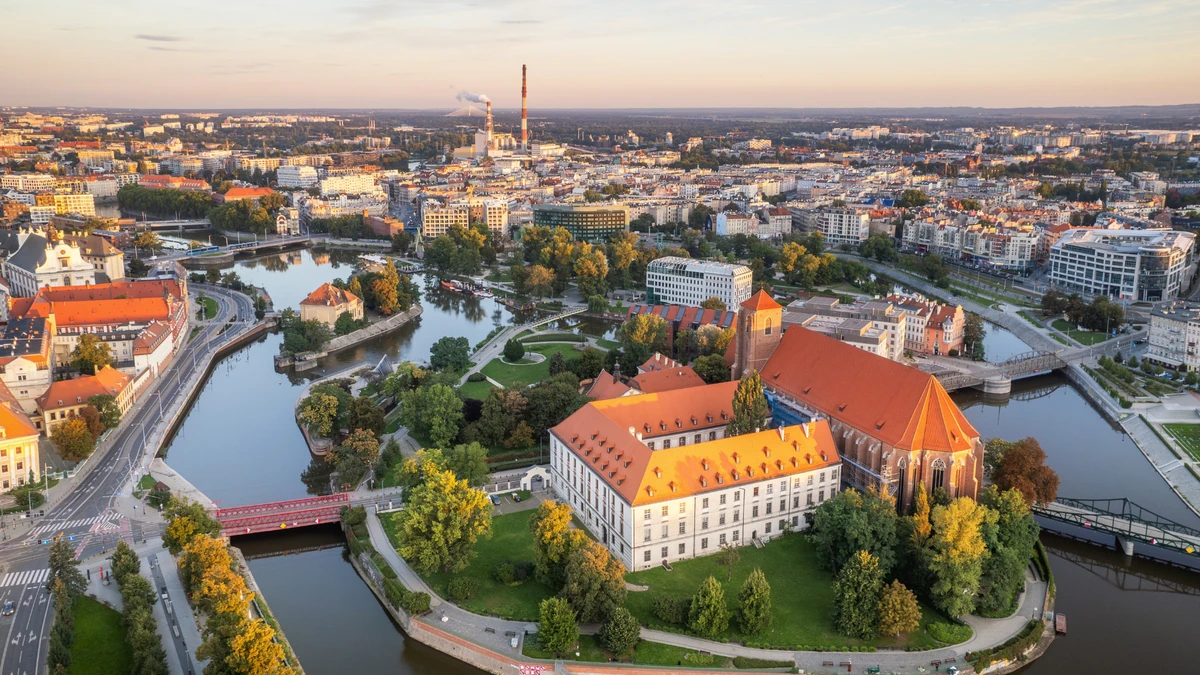
Over the past three decades, Polish cities have struggled with growing suburbanization and uncontrolled urban expansion that ignores administrative boundaries. Demographic challenges, increasing transport exclusion in peripheral areas, and the need to adapt to climate change now affect entire Functional Urban Areas, while practical tools to solve these problems remain scattered among individual, often competing municipalities.
The UPR03 Law: A New Approach
The current model of urban policy at the central level has relied on scattered sectoral initiatives, which in practice hindered coherent planning and implementation of investments. As the Ministry of Funds and Regional Policy aptly notes in the justification for the project, existing frameworks for local government cooperation were formed under completely different economic conditions. They often serve purely as technical tools for absorbing European funds, rarely accompanied by a comprehensive vision for regional development.
Development Associations: A New Institutional Model
The most significant revolution of the project is the creation of development associations. Despite the name, they should not be confused with existing inter-municipal unions. This is a completely new constitutional institution designed as a more advanced and operational form. A development association will have legal personality and its own assets, performing public tasks in its own name.
Tasks and Responsibilities
The catalog of own tasks for the new structure is broad and includes areas that have previously been sources of conflict between cities and municipalities. These primarily include integrated spatial planning, joint management of urban mobility, and adaptation to climate change. The law also provides significant strengthening of the voice of local governments in investment processes of national importance.
European Models and Financial Mechanisms
The drafters do not hide that they drew from the best European patterns, where integrated management of metropolitan areas has produced tangible effects for years. An example can be French EPCIs, which thanks to broad planning and financial competences managed to stop spatial chaos and create modern transport systems. The Polish reform follows a similar path, adapting it to the specifics of local government.
Benefits for Residents
The introduction of development associations is expected to primarily benefit residents who daily cross municipal boundaries on their way to work or school. The expected effect is the standardization of public service standards – from a common ticket for the entire agglomeration to a coherent education policy adapted to the local labor market.