


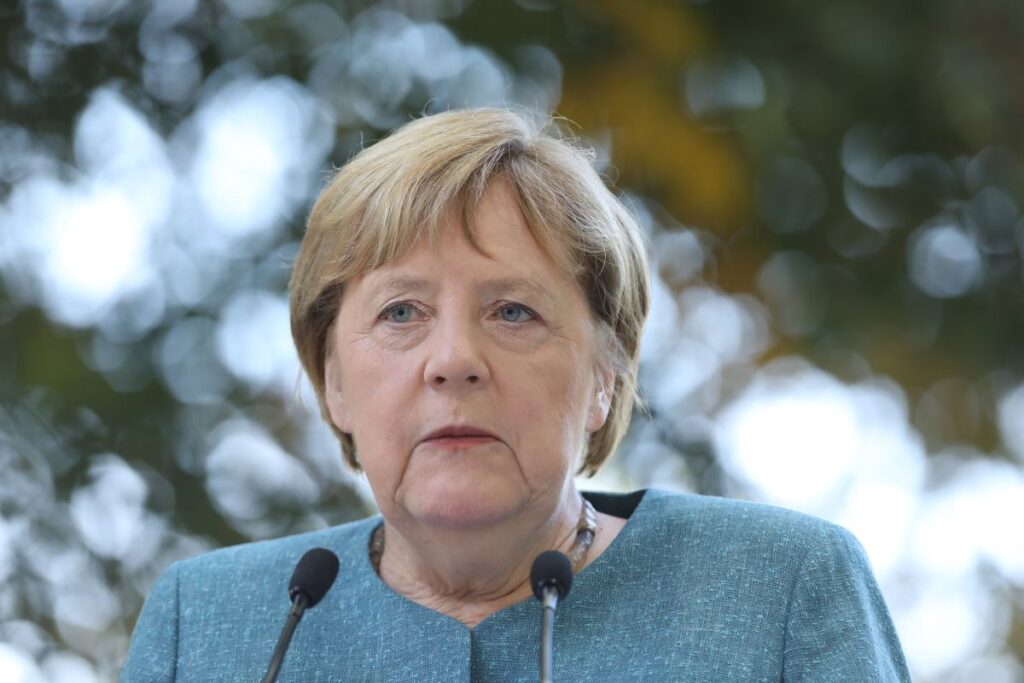
European Union governments are weighing whether Mario Draghi or Angela Merkel should represent the bloc in potential peace negotiations with Vladimir Putin, as concerns grow over the EU’s marginalization in the conflict.
Search for a Unified European Voice
European governments are actively discussing the appointment of a representative to negotiate with the Russian leadership. According to the Financial Times, citing insiders, Mario Draghi and Angela Merkel are among the primary candidates being considered to head these efforts.
The U.S. administration under Donald Trump has signaled to the EU that it does not oppose the bloc pursuing parallel negotiations with Russia. However, internal EU divisions regarding the scope and mandate of such an envoy remain a significant hurdle.
Ukraine’s Role and Diplomatic Maneuvering
Ukraine has expressed support for an EU representative, with President Volodymyr Zelenskyy emphasizing the need for a strong European voice in the process. Zelenskyy is expected to consult with the leaders of France, Germany, and the United Kingdom on the matter this week.
Beyond Merkel and Draghi, other potential candidates have emerged, including Finnish President Alexander Stubb and his predecessor Sauli Niinistö. However, some officials warn that Finland’s recent NATO accession and its strained relations with Moscow could hinder Niinistö’s effectiveness.
Russian Counter-Proposals and Internal EU Skepticism
Vladimir Putin has indicated a willingness to speak with European representatives, provided they have not previously spoken negatively about Russia. He notably suggested former German Chancellor Gerhard Schroeder, a candidate explicitly rejected by both Ukraine and EU member states.
While some EU officials see the technocratic background of figures like Draghi as a diplomatic asset, others remain skeptical. Some diplomats warn that publicizing these discussions risks exposing deep-seated fractures within the Union regarding the strategy toward Russia and the war in Ukraine.