Poland’s Justice Minister Waldemar Żurek reacted to a Tuesday ruling by the Court of Justice of the European Union (CJEU), stating it confirms systemic issues with judicial appointments.
CJEU Ruling on ‘Neo-Judges’ – Key Findings
The CJEU ruled on Tuesday that the irregularity in appointing a judge is insufficient to declare that judge non-independent. The court stated a comprehensive assessment of all circumstances surrounding the appointment is necessary.
The ruling came in response to questions from a Poznań court regarding the validity of challenging the status of judges appointed with the involvement of the National Council of the Judiciary (KRS) after 2017.
Justice Minister’s Response
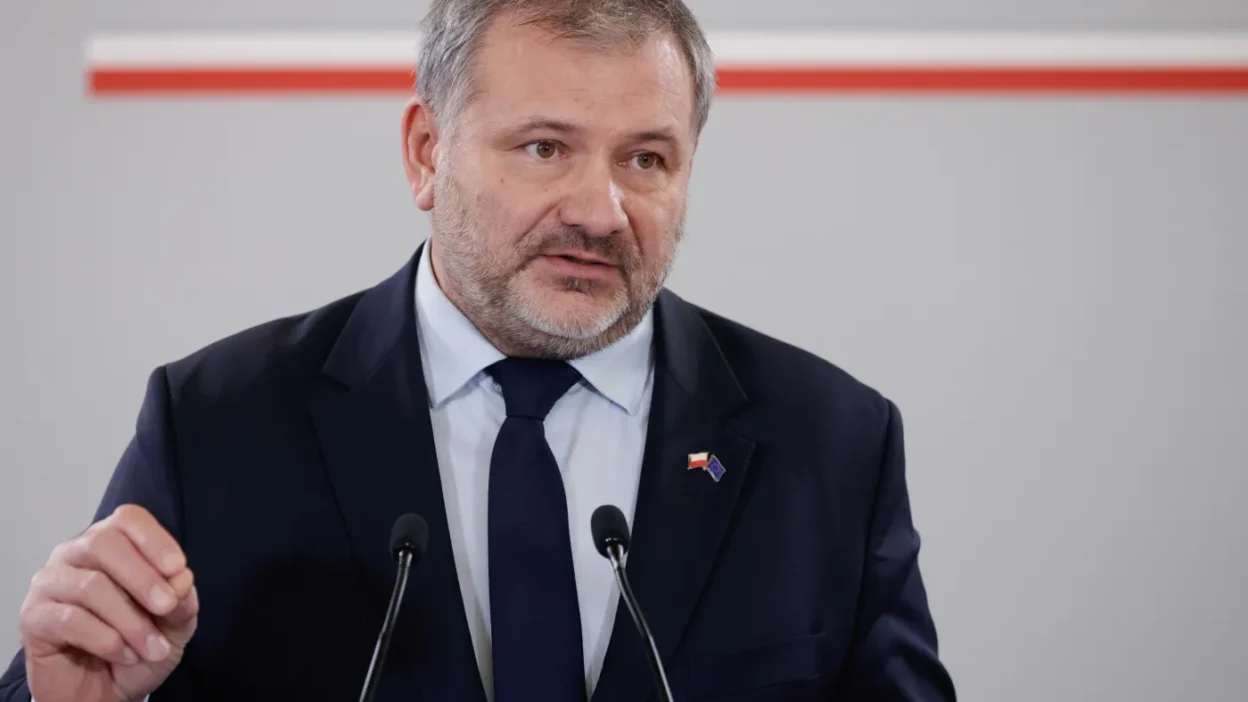
Justice Minister Waldemar Żurek addressed the ruling on X (formerly Twitter) Tuesday evening, stating the CJEU did not close the case of ‘neo-judges’ but instead confirmed a systemic problem of flawed appointments in both common and Supreme Courts. He added that the ministry anticipated this outcome.
The Rule of Law Act as a Solution
The Minister emphasized the need to complete the reform, stating citizens must be certain that their case is decided by a judge, not a political nominee in robes. He identified the “Rule of Law Act” as the solution.
The Rule of Law Act Details
In October of last year, the Ministry of Justice presented a draft of the “Rule of Law Act,” intended to restore the right to an independent and impartial court by regulating the effects of resolutions adopted by the National Council of the Judiciary between 2018 and 2025. The draft is currently under review by a parliamentary committee, with a public hearing held in February.
Confirmation of ‘Neo-Judges’ and ‘Neo-KRS’
Deputy Justice Minister Dariusz Mazur similarly assessed the CJEU ruling, confirming the need for a statutory solution to the problem of improperly appointed judges. He added the ruling confirms the existence of “neo-judges” and a flawed formation of the “neo-KRS.” He urged against spreading misinformation claiming the CJEU stated there are no “neo-judges,” asserting the opposite is true.
CJEU Calls for Changes to Polish Judiciary
The EU Court called on Poland to establish a regulatory framework allowing for the assessment of the ability of individuals improperly appointed to judicial positions to perform their duties. This, according to judges in Luxembourg, would restore public trust in the Polish judicial system and ensure respect for the principle of the separation of powers.
. **Sources:** PAP