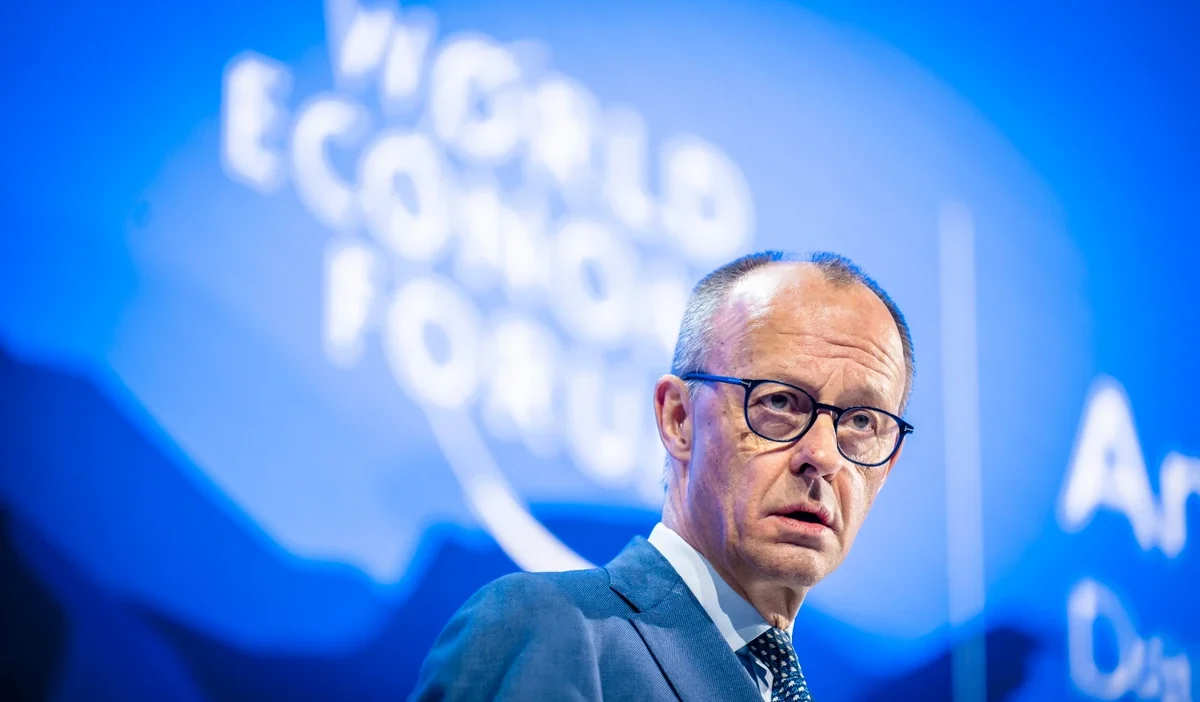
EU economy shows recovery in January with industrial orders rising, according to S&P Global PMI data.
EU Economy Maintains Moderate Growth in January
The composite Eurozone PMI for industry and services remained stable at 51.5 in January, marking the seventh consecutive month above the 50-point threshold indicating expansion, based on surveys from private firms.
Increased Industrial Orders Amid Employment Concerns
New orders continue to rise, driven by domestic demand despite global uncertainty and weak export orders, as noted by ING economists. German industrial orders surged 5.6% in November, reaching a three-year high, fueled by defense budget approvals.
Increased defense spending is expected to be a key driver for recovery in Germany, which accounts for 25% of EU industrial production.
Employment Decline in German Industry
Business reports indicate the largest reduction in German industrial jobs since the 2008-09 crisis (excluding 2020), with falling margins and profits prompting workforce reductions since mid-2023. Economists warn this could limit consumer spending and threaten recovery.
Divergent Trends in France
France’s industrial PMI rose to a three-year high of 51 in January, while its services sector entered stagnation, representing 80% of non-construction GDP amid political turmoil.
Optimism for German Economic Acceleration
Business optimism reached a 20-month high in January, with companies expecting production growth. Industrial production grew for a third straight month in November, though economists caution the recovery remains fragile from a low base.
Government Support Boosting German Industry
Berlin’s energy subsidies for energy-intensive firms have reduced electricity costs by ~50% since January, countering a 20% production drop in those sectors during the 2022 energy crisis. Germany’s preliminary GDP growth was 0.2% last year, after two years of decline.