EU leaders question carbon trading system effectiveness amid rising energy costs and industrial pressures.
EU Carbon Trading System Faces Mounting Criticism
European Union’s carbon trading system (ETS) has encountered significant backlash, described by Politico as both a “shock to the foundations of EU climate policy” and an “assault on the most important European law” in this domain.
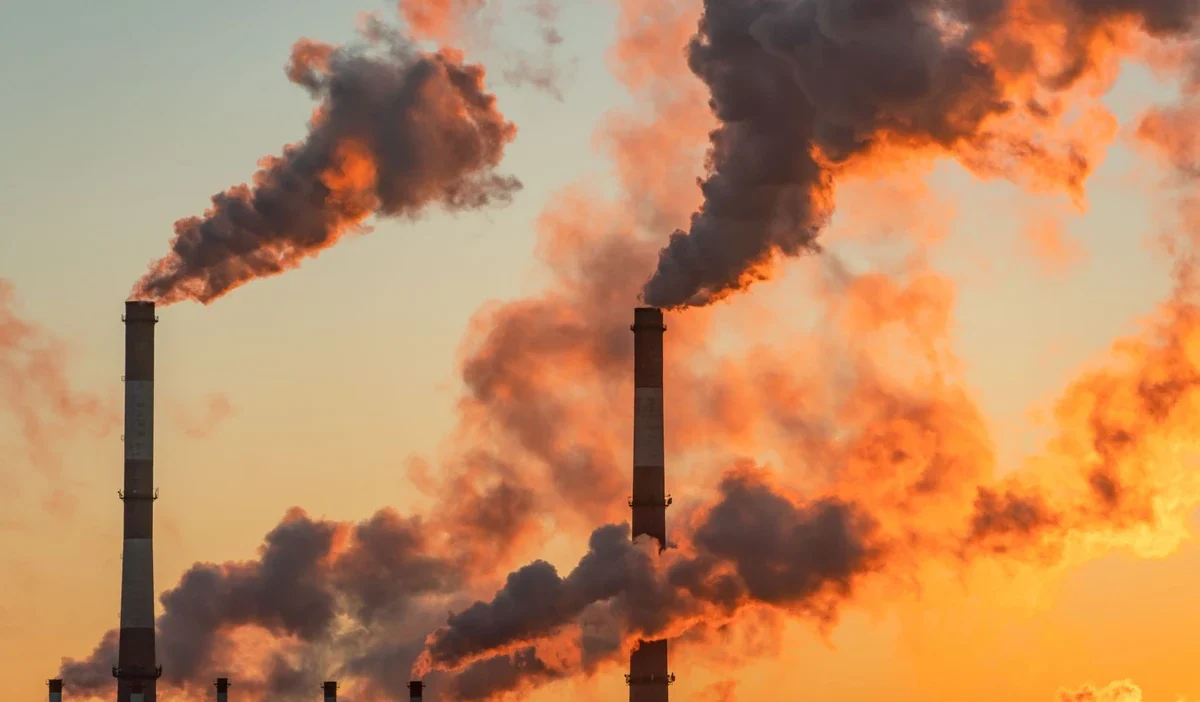
The criticism targets the ETS mechanism that imposes charges on carbon dioxide emissions in the energy and industrial sectors, with intensifying debate reaching a peak at the recent summit in Antwerp.
Germany Calls for ETS Reassessment
Chancellor Friedrich Merz expressed openness to changes in the ETS mechanism, suggesting that if the system proves insufficient for reducing emissions and supporting economic decarbonization, the EU should consider “its revision or at least postponement.”
This echoes the approach taken with the new system (ETS2) covering transport and building emissions, which was initially planned for 2027 but has been delayed by one year following an agreement between EU member states and European Parliament representatives.
Macron Warns of Deindustrialization Risks
French President Emmanuel Macron highlighted that high energy prices combined with emission costs are accelerating “deindustrialization instead of decarbonization.”
Macron noted that emission allowance prices should currently range between 30-40 euros per ton, whereas they are now twice as high, particularly burdening Central and Eastern European economies. He advocated for “technical changes” to limit costs generated by the CO2 fee system and reduce market speculation.
Shift in German Position Signals Significant Change
The German chancellor’s remarks carry particular significance as Berlin has been one of the strongest proponents of ETS as a cornerstone of European energy and climate policy.
Although Merz later sought to moderate his comments by emphasizing the carbon trading market’s effectiveness and need only for adjustments, many commentators, including Politico’s Zia Weise, described the development as a “violation of taboo” and a “strike at the heart” of the European Green Deal.
Italy awaits Brussels decision on its approach to the evolving carbon trading landscape.