EU and Mercosur finalize historic free-trade pact after 25 years, creating world’s largest market amid farmer concerns.
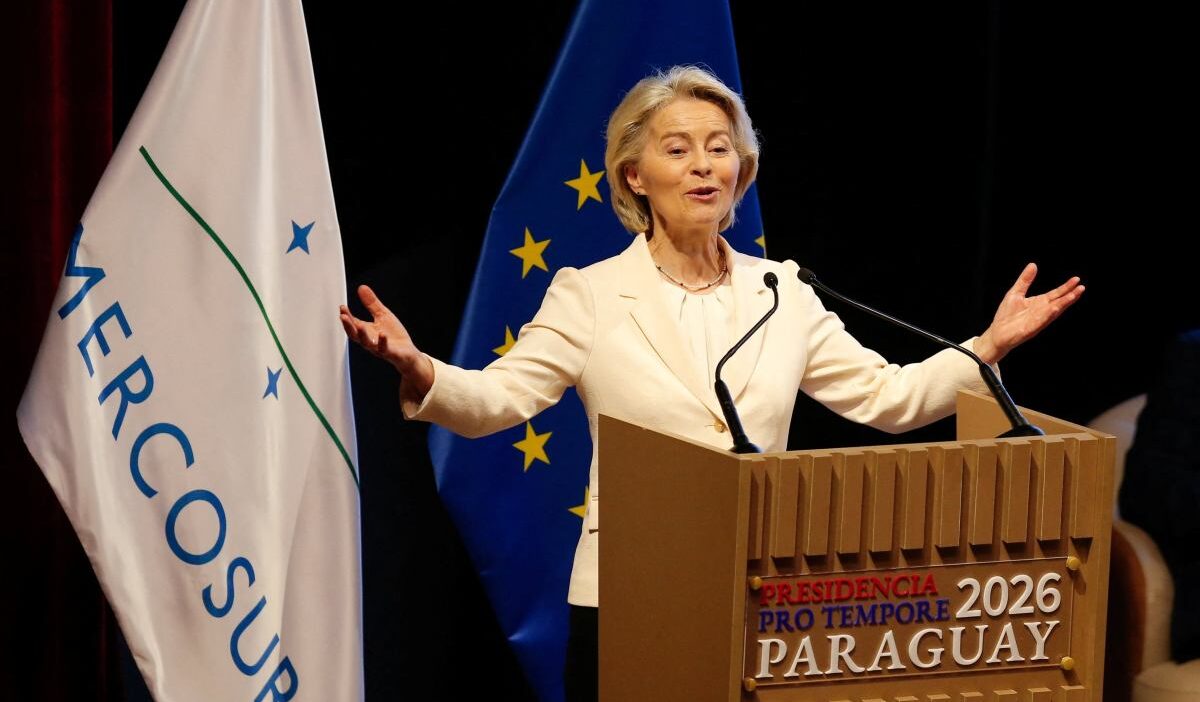
Ursula von der Leyen: A Success Story
European Commission President calls the agreement historic, stating: “The Union-Mercosur agreement is a success story written by 700 million people.” The EU gains access to rare earth metals in Latin America, serving as a counterbalance to Russian and Chinese influence in the region and recent tensions with the US.
“Cars for Cows”
The deal creates the world’s largest free-trade zone, benefiting industries like automotive, chemical, pharmaceutical, textile, and machinery by opening new markets currently closed due to high tariffs. However, farmers view it as a threat—hence the nickname “cars for cows.” While dairy and apple producers see export opportunities, beef producers fear cheap Latin American imports.
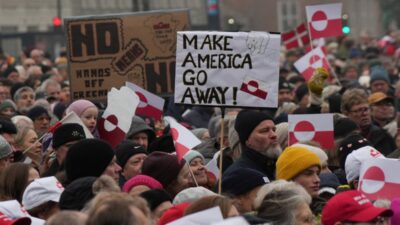
Farmers Fear Losses
“The beef sector’s losses alone amount to around two billion euros,” said Jacek Zarzecki, vice president of the Polish Sustainable Beef Platform. While Latin American beef quotas are low at just 1.5% of EU production, Zarzecki clarified: “These 99,000 tons are premium products—sirloin, ribeye, tenderloin—that generate the most profit.”
Safeguards
The poultry sector also fears significant losses, as Poland is one of the EU’s largest poultry producers. EU farmers note that food producers in Argentina, Brazil, Paraguay, and Uruguay don’t face strict EU environmental or animal welfare requirements. The agreement includes safeguards: tariffs on Latin American food if imports rise by 5% (not 8%) or prices fall. A safety brake can be triggered if just one country reports problems, not the entire region.