


The European Union is conducting unprecedented exercises simulating a large-scale hybrid attack on a member state, prompted by concerns over waning U.S. commitment to NATO.
First-of-its-Kind EU Exercise Focuses on Mutual Assistance
The exercise scenario involves one EU member state becoming the target of a massive hybrid attack, serving as preparation for potential Russian aggression. The drills are scheduled for early May, coinciding with perceived weakening U.S. engagement in NATO.
The exercise will activate Article 42.7 of the Treaty on European Union, not Article 5 of the North Atlantic Treaty. This EU clause obligates member states to provide assistance and support to a member under armed attack, irrespective of individual national security and defense policies.
Previous Activation and Exercise Scope
The mutual assistance procedure has only been invoked once previously, following the 2015 terrorist attacks in Paris.
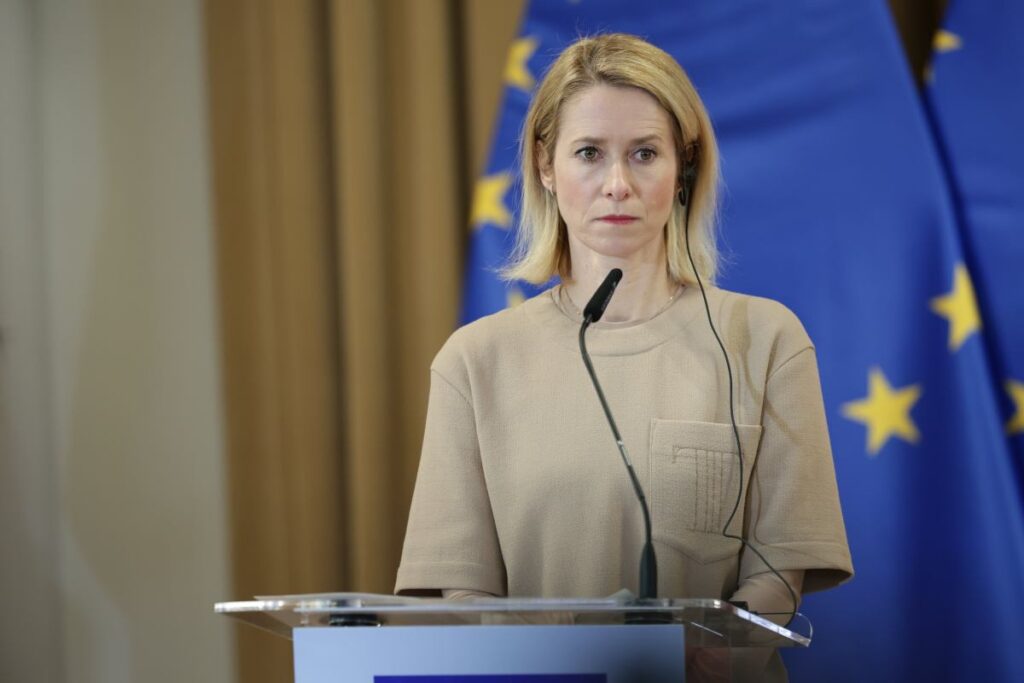
The exercises will be conducted at the ministerial level, involving departments of diplomacy and defense, and are not military in nature. High Representative of the EU for Foreign Affairs and Security Policy, Kaja Kallas, is responsible for their preparation.
Political Sensitivities and U.S. Concerns
Sources indicate the exercises are considered “politically sensitive” as the EU does not want to signal an inability to defend itself without U.S. or NATO involvement. The need to define the mutual assistance clause has grown due to increasing distrust of the U.S. administration under Donald Trump.
Earlier this year, the EU reportedly feared a potential U.S. attempt to unilaterally annex Greenland, which formally belongs to Denmark, potentially through military force.
Russia’s Escalating Threats
Moscow is escalating war tensions, openly threatening attacks against European countries supporting Ukraine, as it feels increasingly threatened itself.
NATO Chief: Russia Remains Top Threat
Russia remains the most serious and direct threat to Euro-Atlantic security. Last year, Russia attempted to undermine security through airspace violations, sabotage, cyberattacks, political interference, and disinformation.
NATO allies unanimously agree that Russia poses the greatest threat to their security, and are committed to collective defense, working daily to deter and defend against Russian aggression.