The European Commission has proposed a €90 billion loan for Ukraine, contingent on unanimous EU member state approval, with Hungary currently blocking the aid.
EU Launches €90 Billion Loan Procedure for Ukraine
The European Commission initiated a procedure on Wednesday to launch a €90 billion loan for Ukraine, requesting the Council of the EU’s consent to disburse the first tranche of support – €45 billion – by the end of 2026.
The plan’s implementation hinges on Hungary lifting its veto.
Von der Leyen Links Aid Package to Bucha Anniversary
European Commission President Ursula von der Leyen announced on Wednesday that the Commission adopted a package of measures on Monday to launch the loan for supporting and defending Ukraine in 2026 and 2027, noting the date coincides with the fourth anniversary of the Bucha massacre.
Funding Breakdown: Defense and Budget Support
Commission Spokesperson Balazs Ujvari stated in Brussels that the Commission positively assessed Ukraine’s financing strategy in late March, leading to Wednesday’s proposal to the Council of the EU for support in 2026 and the transfer of €45 billion to Kyiv by December 31, 2026. The remaining €45 billion is slated for Ukraine next year.
Ujvari explained the document details planned disbursements to Ukraine in 2026, intended purposes, and channels, specifying allocations for defense procurement and budgetary support. €16.7 billion from the €45 billion will address the budget gap this year, through the Ukraine Facility and macro-financial assistance.
Conditions and Drone Purchase Flexibility
EU support for the budget is subject to strict conditions, including rule of law and anti-corruption measures. €28.3 billion is allocated for defense procurement.
The Commission announced it will promptly begin the first disbursement of funds upon Council approval and is currently drafting loan agreements with Kyiv. Additionally, the Commission authorized Ukraine to make exceptions in drone procurement, allowing purchases from non-EU countries due to the urgency of the war and difficulties meeting the 65% European component requirement.
Defense Spokesperson Thomas Regnier acknowledged the exemption currently applies to drones and components, but may extend to other armaments in the future.
Hungary’s Veto Remains a Key Obstacle
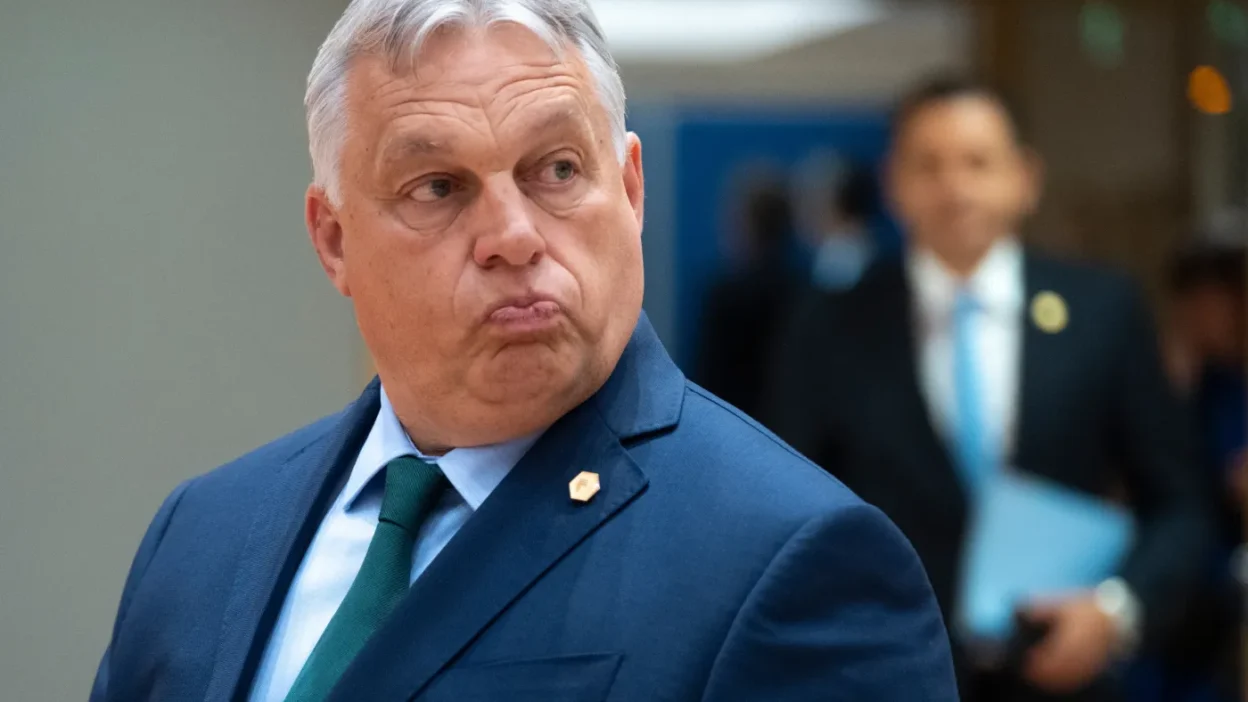
Approval of the loan requires Hungary to withdraw its veto, as altering the EU’s long-term budget necessitates unanimous member state consent. Prime Minister Viktor Orbán blocked the disbursement of funds to Ukraine after Russian attacks damaged the Druzhba pipeline in late January, halting Russian oil supplies to Hungary.
EU Expresses Optimism, Cites Commitment
Regarding whether Hungary will lift the blockade, the spokesperson stated that 27 member states committed to supporting Ukraine in December and the Commission expects all 27 to honor that commitment, warning that failure to do so would violate the principle of loyal cooperation.
Despite this, the Commission remains optimistic and hopes the first funds will reach Ukraine “in the first half of the second quarter,” i.e., in April or early May.