


Poland’s trade inspection authority has affirmed EU regulations prohibiting the use of “milk” or similar terms for plant-based beverages, even with disclaimers.
EU Regulations Define ‘Milk’ Strictly
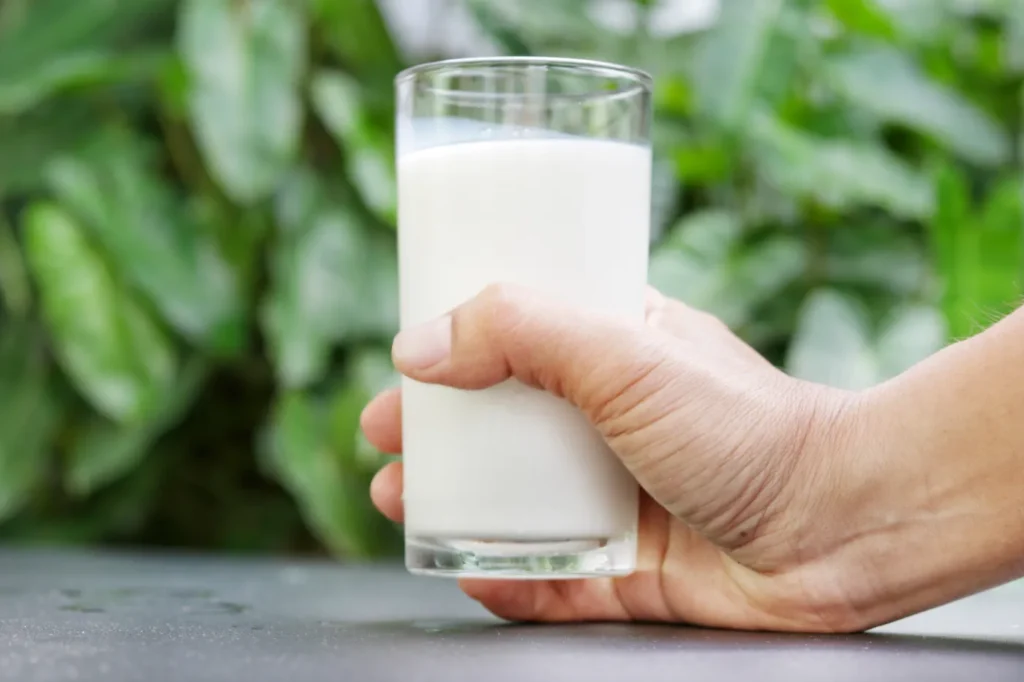
The European Union precisely defines “milk” as a secretion from mammals’ mammary glands, without additives or extraction. Dairy products like cheese, yogurt, and butter must be exclusively made from milk, with these names legally reserved.
Consequently, EU law prohibits applying these terms to plant-based products, encompassing all presentation methods – labels, marketing materials, and advertising.
Even ‘Not Milk’ is Prohibited
Poland’s trade inspection authority, IJHARS, explicitly states that even phrases like “not milk” are unacceptable, as they may imply a connection to dairy and violate regulations.
IJHARS cited an example of an oat drink labeled “PSST!… TO NOT MILK* Deliciously Plant-Based,” where “milk*” was visually emphasized, potentially misleading consumers.
Court Rulings Reinforce the Ban
The Court of Justice of the European Union (CJEU) ruled in 2017 (case TofuTown C-422/16) that plant-based products cannot use dairy-reserved names, even with clear plant-origin labeling.
IJHARS asserts this ruling leaves no room for interpretation, deeming creative variations like “mlek*” or “m!lk” as attempts to circumvent the law.
Conflicting Court Decisions Highlighted
The IJHARS statement follows reports of inconsistent rulings by Polish administrative courts regarding the labeling of oat drinks.
The Administrative Court in Gliwice overturned a control recommendation, finding no consumer deception, supported by survey data. Conversely, the Administrative Court in Warsaw upheld a fine, asserting any reference to “milk” violates EU regulation 1308/2013.
Rationale: Market Protection and Fair Competition
The regulations aim to improve economic conditions for milk production, ensure fair competition, and protect consumer interests.
Producers of plant-based drinks face a high risk of having their labeling challenged if it references “milk” in any way, regardless of intent or consumer research.