


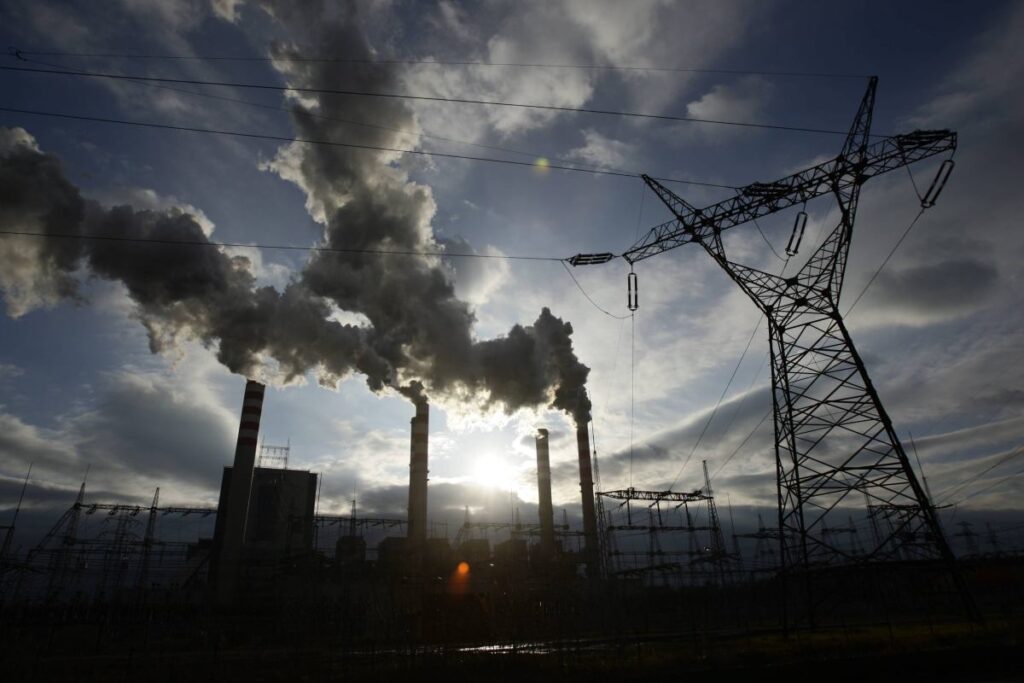
At the environmental council meeting that stretched overnight, EU states agreed on a binding 90 % emission‑reduction goal for 2040, a compromise Poland helped secure.
Council Delays and Debates the 2040 Goal
The agreement was reached during the Council of the Environment’s meeting that ran overnight from Tuesday to Wednesday. For most of the day, agreement on the new 90 % cut remained uncertain, despite pressure to finalize the target before next week’s summit in Brazil.
Polish officials highlighted that the compromise was strong and the best outcome that could be jointly achieved, according to Danish Climate Minister Lars Aagaard.
Poland’s Push for a Stronger National Commitment
During the meeting, Poland’s acting climate and environment minister Krzysztof Bolesta emphasized a key issue: ETS 2. The new European Emission Trading System will apply to transport and heating from 2027 and will add a new tax on fuels.
Poland has campaigned for more time to implement the system and to introduce measures that prevent excessive costs for citizens, especially for households using coal for heating.
Carbon Credits: The 5 % Gap
The text of the agreement speaks of a 90 % reduction, but the detailed rules dilute this target. Countries agreed that 5 % of the reduction could be achieved through internationally traded carbon credits, bringing the EU‑internal target to 85 %.
Poland demanded strict quality criteria for these credits to avoid negative impacts on domestic climate actions.
Skepticism About Offsets and the Role of Low‑Emission Fuels
Experts describe the treaty as “bittersweet,” noting the many concessions but also the clear direction for the next 15 years: deeper decarbonisation.
Other provisions include more free allowances for heavy industry and a focus on low‑emission fuels in transport, partly driven by Italy.
ETS 2’s Implications and Poland’s Negotiations
Poland’s request to postpone ETS 2 by a year is not yet binding but adds pressure on the European Commission to act. The country views the system as a potential threat to public support for climate initiatives.
While the Polish government secured several important concessions, it still opposed the most ambitious aspects the commission offered. Its stance is reflected in the draft agreement’s call for a one‑year postponement of ETS 2.
Carbon Credits: Accounting or Real Action?
Carbon credits allow countries to buy reductions abroad, potentially cheaper than achieving them domestically. They may finance renewable projects in developing nations, with the resulting emissions reductions counted toward EU targets.
Critics argue that such mechanisms amount to creative accounting yielding reductions only on paper. Supporters insist that they enable more efficient use of resources and do not harm climate objectives.