


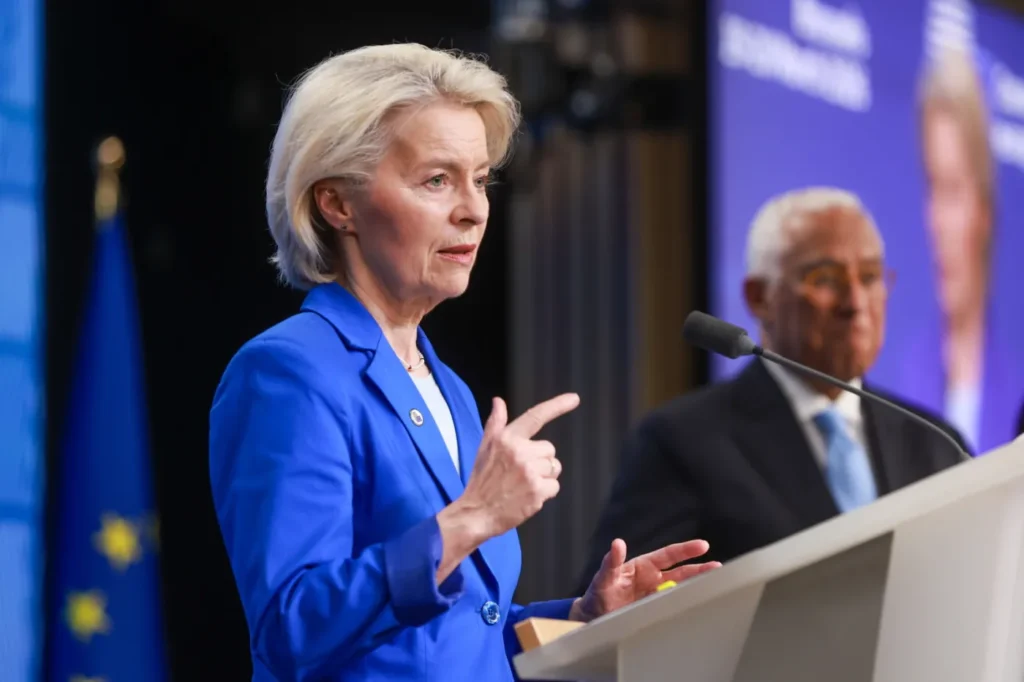
At a recent EU summit, leaders signaled a change in approach to the Emissions Trading System (ETS), potentially releasing reserves to lower energy costs.
EU Adjusts ETS Policy, Energy Price Relief Possible
The European Union is considering extending free allowances within the ETS system and releasing reserves for sale, according to an EU source summarizing the outcomes of a recent energy-focused summit.
The meeting saw a shift in thinking regarding the ETS, with ETS2 expected to follow. No EU leader supported a complete suspension of the ETS, recognizing the potential disruption to European industry and investors.
No Halt to ETS, Commission Reform Expected
Even the most vocal proponent of change, Czech Prime Minister Andrej Babisz, engaged constructively in discussions. The summit conclusions included a commitment for the European Commission to propose ETS reforms by June.
Emission Reserves as Leverage for Lower Electricity Bills
EU leaders agreed to measures aimed at alleviating the burden of the ETS, specifically exploring the release of emission allowances to lower their prices. This is intended to provide relief to industry and reduce electricity bills, particularly for countries with GDPs below the EU average, including Poland.
Broad Support for ETS Adjustments
An official closely monitoring the European Council proceedings noted a broad consensus on ETS adjustments, extending beyond Central European nations to include Italy, Belgium, and even Austria, despite its complete reliance on renewable energy sources.
European Commission Acknowledges ETS Impact on Energy Prices
The European Commission acknowledges the ETS’s influence on energy prices, a significant shift after years of attributing high costs to other factors. The shape of the reforms will ultimately be decided by the Commission.
Tusk Pushes for ETS2 Delay
Polish Prime Minister Donald Tusk was the sole leader at the summit to raise the issue of ETS2, which would extend the emissions trading system to households through charges on transport and home heating. He advocated for a “radical postponement” after a one-year delay to 2028 was already approved.
Realistic Decarbonization Path and Member State Specifics
The conclusions referenced proposals presented by European Commission President Ursula von der Leyen, prioritizing quick and easily implementable actions, such as utilizing the market stability reserve. The Commission will also propose changes to the ETS directive to define a “more realistic decarbonization path” after 2030.
EU Leaders Call for Short-Term Price Reduction Measures
EU leaders called for “concrete actions” to lower electricity prices in the short term, considering the diverse situations of member states while maintaining long-term investment signals for renewable and low-emission energy production.
Poland Welcomes Consideration of National Differences
Poland expressed satisfaction with the inclusion of provisions recognizing the differing circumstances of member states, which were mentioned twice in the summit conclusions.
Energy Autonomy as a Strategic Goal
The conclusions emphasized that accelerating the deployment of renewable and low-emission energy sources, along with energy storage, is crucial for reducing dependence on volatile fossil fuel markets and achieving European energy autonomy.