


Over a month past the deadline, not all European Union member states have submitted plans to diversify away from Russian oil and gas, raising concerns about the bloc’s energy independence.
Delayed Diversification Plans
Twenty plans to end reliance on Russian gas and four concerning oil and petroleum products represent the current tally of strategies gathered by the European Commission from member states, according to unofficial information from DGP. The deadline for submission to Brussels passed over a month ago.
The obligation to prepare these plans stems from a regulation approved at the end of January regarding the gradual phasing out of Russian natural gas. All member states were expected to present their vision for this “divorce process” regarding gas, while those still sourcing Russian fuels – due to various exceptions and loopholes in the embargo adopted between late 2022 and early 2023 – were to develop plans for oil and petroleum products. The deadline for submitting these documents to the Commission was March 1st.
Budapest Remains Silent on Oil Diversification
A European Commission spokesperson, when asked about the situation in mid-April, declined to provide specific numbers. They emphasized that the majority of expected plans had been received and that further submissions were anticipated. The Commission has already published the plans received regarding oil and its derivatives, submitted by Slovakia, the Czech Republic, Croatia, and the Netherlands.
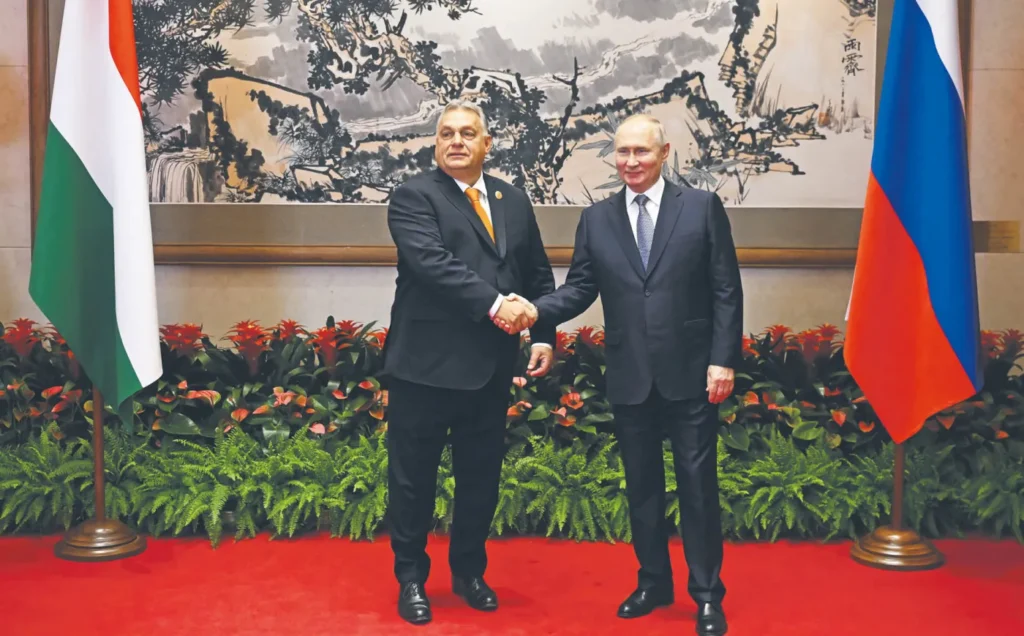
This means the Hungarian government, led by Viktor Orbán, has not shared its intentions with Brussels. Budapest, alongside Bratislava, remains a major beneficiary of a loophole allowing Russian oil to continue flowing into the EU.
“Friendship” Pipeline Exception and Czech Progress
The oil exception benefiting Slovakia and Hungary allows continued deliveries via the “Druzhba” pipeline. This privilege, limited since a January attack on Russian drones damaged elements of the pipeline – a point of contention between Budapest, Bratislava, and Kyiv – was justified by particularly high levels of dependence on Russia and a lack of access to the sea for alternative sourcing.
However, the Czech Republic demonstrated that structural dependence on Russia is not insurmountable, having initially also benefited from extended Druzhba deliveries but progressively reduced its imports, announcing the completion of the replacement process in April of last year.
Loopholes and Polish LPG Imports
Exceptions also covered some deliveries of finished fuels, with the possibility of granting them in cases justified by security considerations reserved for member states. Until recently, Poland’s energy independence was significantly impacted by deliveries of n-butane and isobutane, fractions of liquefied petroleum gas (LPG) sourced from oil, which were excluded from the import ban adopted at the end of 2023.
This loophole was closed only with the nineteenth sanctions package adopted last autumn, with the new regulations taking effect at the end of January.
Gas Imports and the TurkStream Pipeline
Unlike oil, where the first sanctions were adopted in the first year of Russian aggression against Ukraine, gas imports from the East were not previously subject to restrictions. A ban on liquefied natural gas (LNG) imports, with phased implementation until January 1, 2027, was only established in the latest package.
Previously, the use of European ports for transshipment of Russian LNG was prohibited, helping Russia fulfill deliveries to Asian recipients. Pipeline gas supplies to the EU have been primarily halted by Kremlin decisions, with the TurkStream pipeline (used by Slovakia, Hungary, and Bulgaria) and the Ukrainian route (terminated due to the expiration of the transit agreement between Gazprom and Naftohaz) being exceptions.
Future Restrictions and the Importance of Political Will
The ban on pipeline gas imports by EU countries is a key element of the regulation in force since February, which also reinforces the ban on LNG. After the transition period ends in autumn of next year, importing gas from Russia will only be permitted in emergencies or if the Commission determines a “serious threat to security of supply” in at least one member state.
Expert Views on Plan Implementation
The national plans required by these regulations were intended not only to demonstrate preparedness to implement EU law but also to identify challenges and areas where support may be needed.
Szymon Kardaś, an expert at the European Council on Foreign Relations (ECFR), commented that while the deadline passed a month and a half ago, the regulation itself has been in effect for less than three years (countries had less than a month to prepare the plans). He noted that 20 capitals fulfilling their obligation within this timeframe indicates considerable discipline, and hopes that this group includes the countries most affected by the gas and oil issue.
Agata Łoskot-Strachota from the Centre for Eastern Studies added that if the crisis in the Middle East continues, the tension between the long-term vision and the accelerating reality requiring adjustments will become inevitable. Ignoring these concerns would not be a good solution, especially since the plans are created by national governments and their political will will be decisive for the success of the EU’s derusification.
Geopolitical Concerns and Project Delays
Szymon Kardaś also expressed concern that the events in the Middle East might lead capitals to question the derusification course, with voices previously coming mainly from Bratislava and Budapest. He believes the Commission’s decision to postpone the presentation of a draft regulation mirroring the gas regulation, intended to finalize the EU-Russia oil divorce (with a final deadline of the end of 2027), indicates uncertainty about the mood in member states.
The issue of the regulation was removed from the Commission’s agenda at the end of March. According to Reuters, the Commission intends to postpone the presentation of the project but not withdraw it, citing the “development of the geopolitical situation.”