

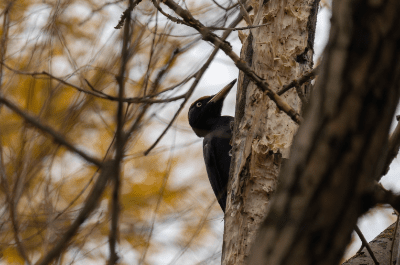
Experts warn that winter feeding in urban areas can be harmful, urging careful, species‑specific approaches and highlighting the foods that help or hurt city birds.
Why Feeding in Winter Is Risky
Cold, snow, and ice make natural prey scarce. Experts say it is better not to feed birds at all than to do so incorrectly, which can harm them.
Guidelines for Safe Winter Feeding
Feed only after the last frost, place feeders in sheltered spots, and stop by early spring when snow melts and insects return.
What to Feed Different Species
Tits thrive on high‑fat, high‑protein foods; avoid salty cured meats. Sparrows and goldfinches prefer whole grains and grasses, best offered on elevated platforms. Fruit‑eating species like robins enjoy fresh, unsweetened fruit on the ground or low shelves. Seed‑eaters such as pigeons need heavy oils and grains, but not bread.
Foods to Avoid
Plain bread, salted sausages, smoked bacon, and any leftovers from meals are harmful, causing digestive problems, wing deformities, and death.
Legal and Municipal Perspectives
There is no nationwide ban on bird feeding in Poland, but local authorities may intervene when feeding causes litter or health risks. Campaigns now promote “smart feeding” limited to severe weather conditions.

