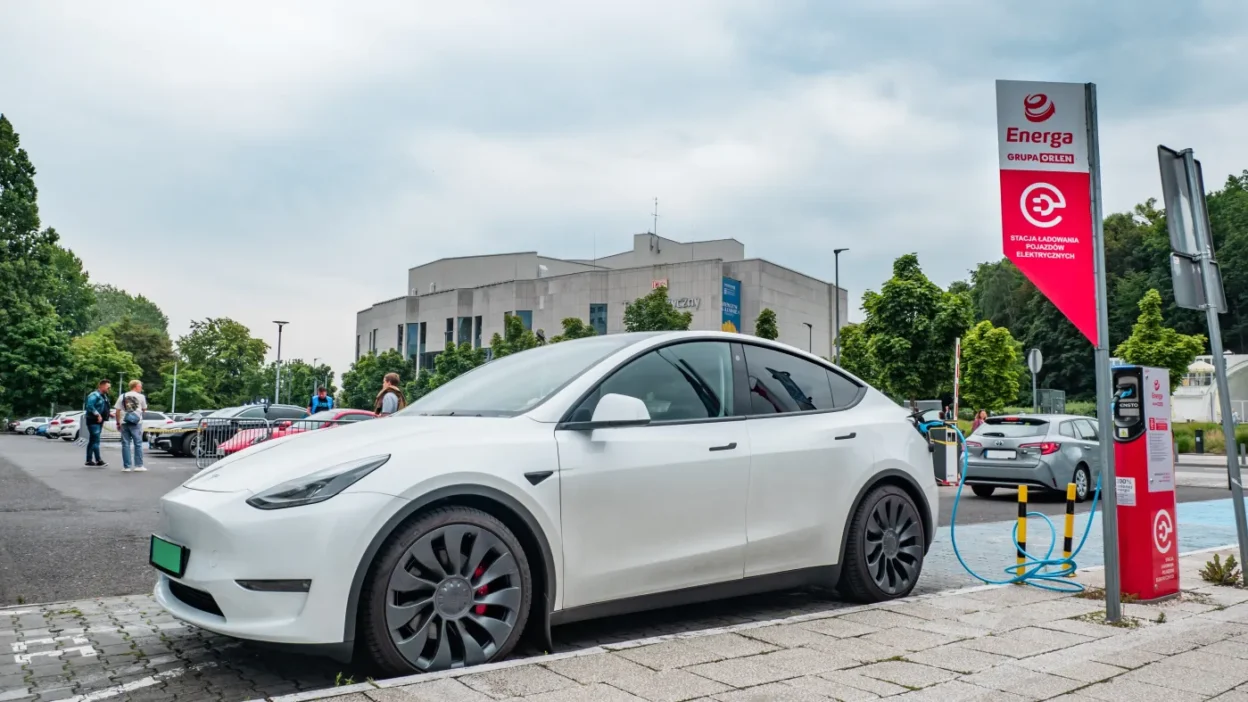
Rising fuel costs, spurred by geopolitical tensions, are prompting drivers to consider electric vehicles as a more predictable alternative.
Rising Fuel Costs and Shifting Consumer Preferences
Geopolitical tensions and disruptions in the oil market are driving up fuel prices, significantly impacting driver decisions. Increasingly, consumers are considering switching from internal combustion engines to electric vehicles, which currently offer greater cost predictability.
In recent weeks, gasoline prices in Europe have risen sharply, reaching an average of €1.77 per liter in the European Union, up from €1.59 in December – a nearly 10% increase in just three months. The United States has seen a similar trend, with the average price of a gallon of fuel rising from $2.94 to $3.57 in one month.
Geopolitical Factors and Cost Stability
Tensions in the Middle East, particularly the conflict involving Iran, are the primary drivers of these price increases, disrupting global oil supplies. Consequently, consumers are increasingly calculating the real costs of daily car usage.
Data from Edmunds shows that searches for electric, hybrid, and plug-in hybrid vehicles increased from 20.7% to 22.4% in the immediate aftermath of the conflict’s escalation, signaling a clear shift in purchasing preferences.
The Advantage of Electric Vehicle Stability
Experts emphasize that the key advantage of electric vehicles is the greater stability of energy prices compared to fossil fuels. Erich Muehlegger, an economics professor at the University of California, Davis, notes that household electricity prices are typically regulated and less susceptible to volatile fluctuations.
In the United States, tariffs are often set annually, limiting the impact of short-term commodity market shocks. Europe’s situation is more varied, with countries like France and Spain, which have a higher proportion of stable energy sources, seeing less cost fluctuation for electric vehicle users than Germany, which is more reliant on gas.
Challenges to Full Resilience and the Energy Mix
However, this does not equate to complete immunity. Growing energy demand – from data centers and the development of artificial intelligence, for example – is gradually increasing electricity prices. Holt Edwards of Bracewell Advisory notes that the conflict in the oil market is inflationary and indirectly affects the energy sector.
The cost of charging an electric vehicle largely depends on the structure of energy sources in a given country. Pierpaolo Cazzola of the Center on Global Energy Policy explains that energy prices result from a combination of various raw materials – from gas and coal to nuclear and renewable energy sources.
A higher proportion of renewable energy sources leads to greater price stability. Experts increasingly point to the need to accelerate the energy transition, with Euan Graham of the Ember think tank stating: “The greatest security comes from combining clean energy with electrification.”
Economic Savings and Barriers to Entry
From an economic perspective, using an electric vehicle can yield significant savings. Peter Zalzal of the Environmental Defense Fund indicates that these savings can amount to several thousand dollars over the vehicle’s lifecycle, especially with sustained high fuel prices.
However, the purchase cost remains a significant barrier. The average price of a new electric vehicle recently stood at $55,300, while the average for all new cars was $49,353. This difference, though decreasing, still influences consumer decisions.
Geopolitical factors and supply chains also play a role. China’s dominance in battery production and key components raises concerns among some analysts regarding energy and economic security.
Will Electrification Accelerate?
History shows that prolonged increases in fuel prices often accelerate changes in the automotive market. A similar phenomenon was observed in 2022, when sharp gasoline price increases led to a surge in interest in electrified vehicles.
However, government policy will be crucial. Experts point out that tax changes, subsidy schemes, and the development of charging infrastructure can determine the pace of the transformation. Without these measures, even high fuel prices may not translate into a sustained increase in electric vehicle sales.