A tense exchange occurred at the G7 foreign ministers’ meeting in France, as EU’s Kaja Kallas questioned US Senator Marco Rubio on further action against Russia.
G7 Meeting Marked by US-EU Dispute
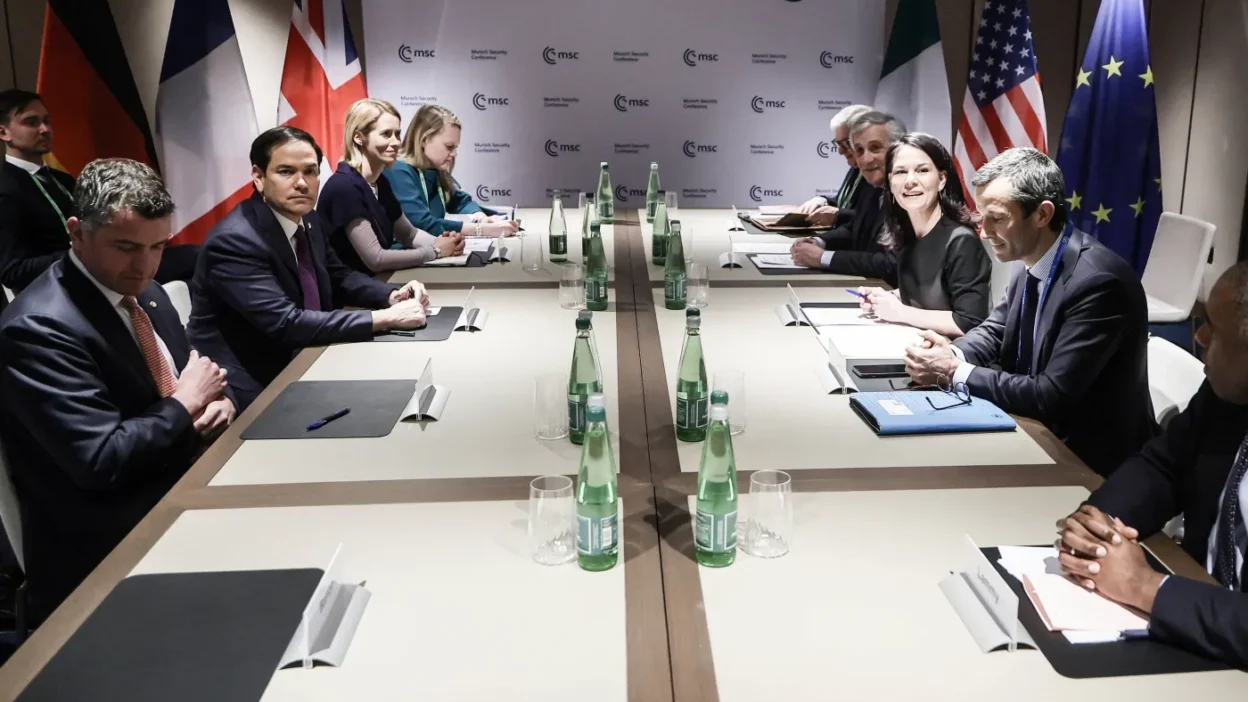
The G7 foreign ministers’ meeting in France concluded with a sharp disagreement between US and European Union representatives. Discussions, focused on international security and the war in Ukraine, devolved into an open dispute between US Secretary of State Marco Rubio and EU High Representative Kaja Kallas.
The two-day G7 meeting took place at the historic Vaux-de-Cernay complex near Paris, with participation from the world’s seven largest economies, the European Union, and invited nations including Ukraine, India, and Saudi Arabia. A central topic was the strategy regarding the ongoing Russia-Ukraine war.
Kallas Directly Questions Rubio on US Resolve
The most contentious moment arose during a discussion on the effectiveness of Western actions. Kaja Kallas directly asked Marco Rubio when the United States would commit to more decisive action against Russia. This was perceived by the US delegation as a public undermining of their commitment.
Rubio’s Sharp Response to Criticism
Marco Rubio immediately and firmly responded, stating, “We are doing everything in our power to end the war. If anyone believes they can do better, please do—we will step aside.” This was in reaction to the suggestions made by the European diplomat.
Participants noted the tone of Rubio’s response was clearly tense, indicating growing frustration from the American side. Rubio emphasized that the US bears the largest financial and military burden in supporting Ukraine, while facing increasing criticism from European partners.
Arguments for Stronger Action Against Russia
Kaja Kallas argued that Russia is intensifying its military actions and the West should respond more forcefully to prevent further escalation. She believes a lack of resolve could be interpreted as weakness.
Debate Over Responsibility and Aid to Ukraine
The exchange quickly broadened into a wider debate about the division of responsibility for aiding Ukraine. European representatives have expressed concerns that the United States may gradually shift its focus to other regions, including the Middle East and the Indo-Pacific.
Marco Rubio dismissed these concerns, stating that Washington is not only maintaining but increasing its commitment. He suggested that Europe should take greater responsibility for the continent’s security, through increased defense spending and intensified military support for Ukraine.
Differing Contributions to Ukraine Aid
Data on aid to Kyiv reveals that the United States remains the largest single donor of military support, while European countries collectively exceed the US in financial and humanitarian aid. Differences in the structure of this aid complicate assessing the commitment of both sides.
Attempts at De-escalation and Underlying Tensions
Witnesses reported the situation caused visible disruption among other ministers. The dispute unfolded publicly, increasing its political significance. Some participants attempted to quickly steer the conversation to other topics to avoid further escalation.
Diplomats present described it as one of the most tense exchanges during the entire summit. The incident reflects broader differences between the US and Europe regarding strategy towards Russia, the pace of arms deliveries, and the scope of sanctions.
Post-Discussion Dialogue and Underlying Disagreements
Following the official sessions, Kaja Kallas and Marco Rubio held a brief meeting to calm tensions. The US representative described the exchange as a “frank discussion,” emphasizing that such situations are a natural part of the diplomatic process. However, the incident revealed deeper differences in perceptions of the West’s role in the conflict with Russia.
Maintaining a clear and firm line towards the Kremlin remains key for European partners. For the United States, balancing engagement across different regions is increasingly important, creating tensions in transatlantic relations.