Poland’s National Health Fund reimburses sedated gastroscopy for patients with specific medical indications.
Understanding Gastroscopy
Gastroscopy, also known as esophagogastroduodenoscopy, is an endoscopic examination of the upper gastrointestinal tract that enables evaluation of the mucous membrane of the esophagus, stomach, and part of the duodenum and early detection of diseases.
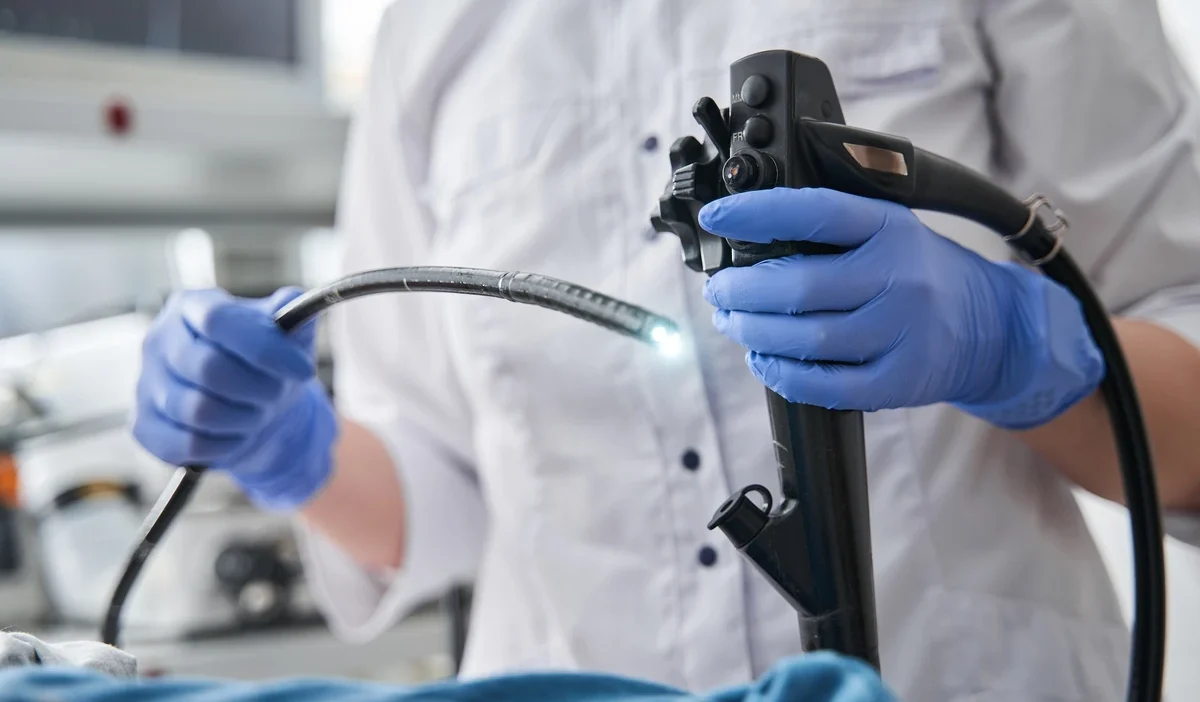
The examination is performed using an endoscope (gastroscope), a flexible tube with a diameter of about 10 mm that has a camera at its end. During gastroscopy, it is possible to take samples (biopsy) for histopathological examination to detect conditions like Helicobacter pylori infection.
Anesthesia Options: Local vs. Sedation
Biopsy is generally not painful but can be unpleasant. Many patients experience belching and a vomiting reflex during the examination. The procedure typically takes about 5 minutes, though this may extend when there are suspicious changes requiring sample collection.
Gastroscopy is usually performed under local anesthesia, where a lidocaine solution is sprayed into the patient’s throat before the examination begins. However, it can also be performed under general anesthesia in sedation.
NFZ Reimbursement for Sedated Gastroscopy
Patients do not need to pay for sedated gastroscopy when there are medical indications. The National Health Fund (NFZ) refunds general anesthesia for the procedure when specific medical conditions exist.
This makes sedated gastroscopy an increasingly popular choice for patients seeking a comfortable examination within Poland’s public healthcare system. Reimbursement is possible when there are specific indications for gastroscopy under anesthesia.
Eligibility and Process
To qualify for sedated gastroscopy under NFZ, patients must have specific medical indications. Those who wish to have the procedure under general anesthesia should first obtain a proper referral from a family doctor or specialist such as a gastroenterologist.
After receiving a referral, patients can contact a facility with an NFZ contract to schedule an appointment. Before the procedure, patients must undergo qualification by an anesthesiologist who will determine if they can tolerate general anesthesia.
Waiting Times and Preparation
The waiting time for sedated gastroscopy under NFZ is longer than for examinations performed under local anesthesia. In some facilities, the wait can extend to several months.
The examination must be performed on an empty stomach. Patients taking medications that affect blood clotting must consult with their doctor to determine if these should be discontinued before the procedure. Regular medications can be taken on the day of gastroscopy with a small amount of water.
Self-Pay Options
Patients without medical indications for sedated gastroscopy under NFZ can often pay for the sedation supplement in many facilities. Some clinics and hospitals offer commercial options for procedures that are also available through the National Health Fund.