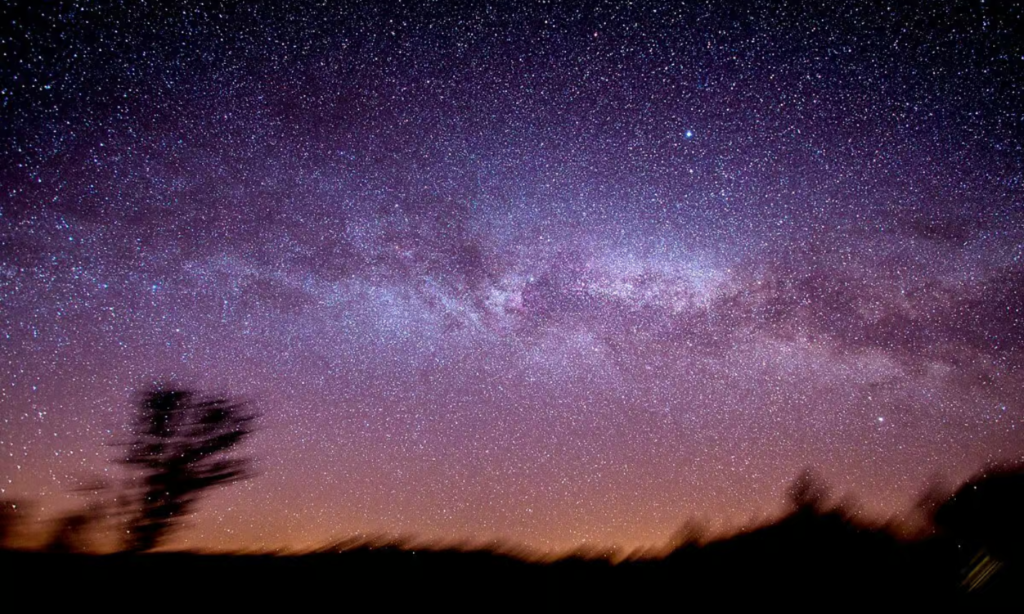
From the night of December 13–14, 2025, Warsaw and the rest of Poland can expect the Geminid meteor shower, reaching up to 150 meteors per hour under clear skies.
Peak Activity Window
The Geminid shower runs from December 4 to 17, peaking on the night of December 13–14. The International Meteor Organization estimates maximum activity between late afternoon on the 13th and noon on the 14th local time.
Radiant Location
The radiant lies in the constellation Gemini near the star Castor. It rises at about 5:30 p.m. above the northeast horizon, reaching a height of roughly 70° around 1:00–2:00 a.m.
Observing Conditions
Meteors appear as bright streaks created by meteoroids entering the atmosphere at high speed. The Geminids are notable for their relatively slow, bright fireballs, which can show colors from white to greenish, yellowish, or light red, depending on their elemental composition.
In optimal weather, observers can count about 150 meteors per hour. A dark, wide‑open sky with minimal artificial lighting is essential; bright street lamps and phones should be avoided to allow the eyes to adapt.
Best Viewing Sites Near Warsaw
Within Warsaw, artificial lighting hampers visibility. Outside the city, open areas such as the Masovian Landscape Park, the Kampinos direction, and sparsely urbanised outskirts provide darker skies and unobstructed horizons.
Layered clothing, a hat, gloves, and a comfortable chair or mat are recommended to withstand low December temperatures while staying out late.
Moon Phase and Weather Impact
The full moon shines a thin crescent (about one‑third illuminated) during the maximum, causing only a modest brightening that still permits the observation of weaker meteors.
Forecasts predict near‑complete cloud cover over Warsaw on the Saturday, 13 December, so observers should monitor local cloud maps and seek brief clear windows if available.
Other December Showers
Outside the Geminids, December hosts the weaker Puppids–Velidids in the first half of the month and the Ursids from the 17th to 26th. These allow meteor viewing throughout the month, though with lower counts.