


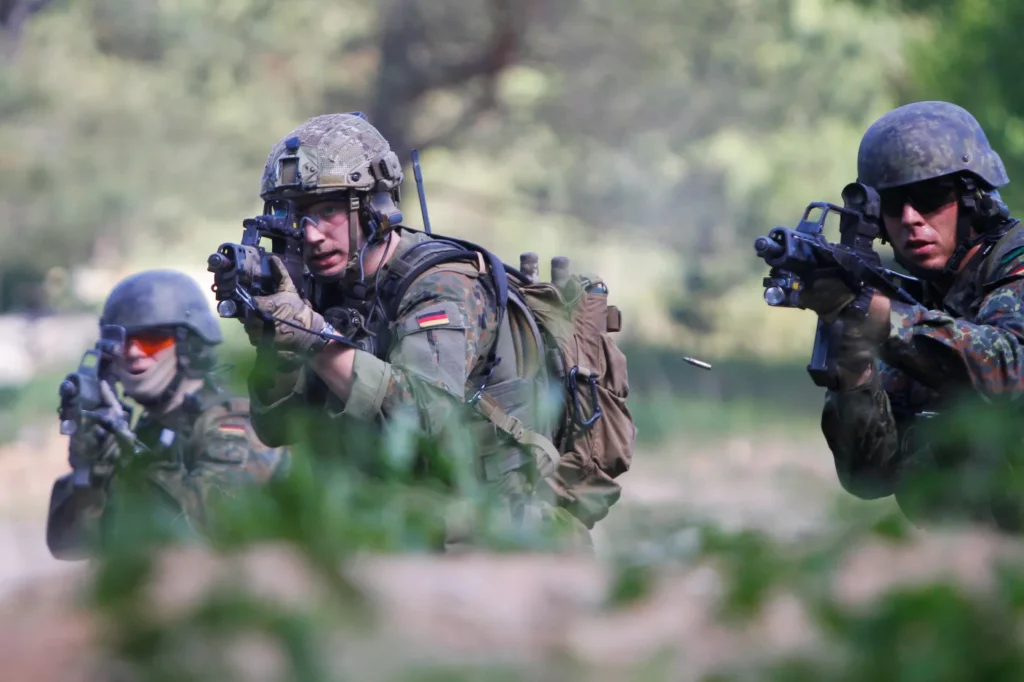
Germany’s Bundeswehr is undergoing a major overhaul, aiming for expansion and modernization while grappling with outdated regulations and a potential reliance on older reservists.
Germany Announces Major Army Reform
Germany has announced a large-scale reform of its armed forces, aiming to rebuild its military strength after years of downsizing and a focus on peaceful operations.
Defense Minister Boris Pistorius unveiled plans to significantly expand the army, with the goal of becoming the strongest conventional force in Europe.
Russia Identified as Primary Threat
The new strategy explicitly identifies Russia as the primary threat to Germany, citing its policies as creating “conditions for a military attack on NATO states.”
Germany intends to bolster its armed forces, starting with personnel increases. The Bundeswehr has already begun to grow, reaching 185,400 personnel by the end of March – an increase of 3,300 compared to the previous year.
The plan envisions expanding to 260,000 active soldiers and 200,000 reservists within the next 10 years.
Reservists Up to Age 70 Considered
To achieve these ambitious goals, the possibility of raising the age limit for reservists is being considered, potentially to 70 years old.
Bastian Ernst, head of the Reserve Association, argued that older individuals retain physical fitness and valuable life and professional experience, and should not be overlooked.
Addressing Reservist Numbers and Registration
Currently, the exact number of reservists in Germany is unknown. While 110,000 people are members of the association, only 60,000 are officially designated for service.
A new military registration system is proposed to accurately determine the number of individuals eligible for conscription.
Bureaucracy Impeding Military Functioning
The reform also focuses on combating bureaucracy within the Bundeswehr, with over 150 existing regulations identified as outdated and hindering operations.
Examples of Outdated Regulations
Examples of problematic regulations include requiring a damage report in triplicate if a soldier tears their pants during training, and a protocol for replacing them.
Strict rules also govern activities at shooting ranges, prohibiting eating and drinking due to potential contamination, and mandating special laundering for boots after each session.
Past international missions were also burdened by bureaucratic requirements, such as adhering to German waste separation standards during the Afghanistan mission.
Regulations to Have Expiration Dates
Under the new rules, military regulations will have a set expiration date, automatically becoming invalid if not renewed, to prevent the accumulation of administrative absurdities.