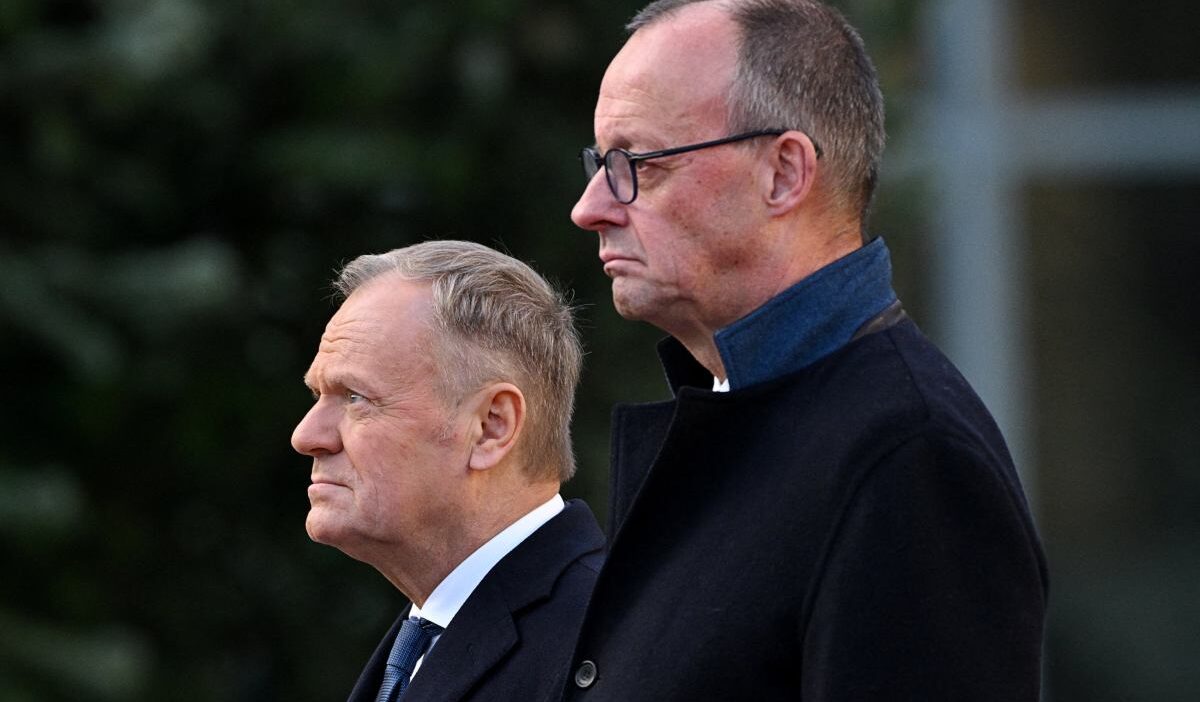
After meetings between German Chancellor Friedrich Merz and Polish Prime Minister Donald Tusk, German media say the government failed to pledge additional payments to surviving Nazi victims, further inflaming a long‑standing dispute.
Berlin encounter stalls reparations pledge
Sueddeutsche Zeitung reported that during the Monday meeting in Berlin, German officials again did not commit to further payments for surviving Nazi victims in Poland.
The newspaper stressed that the issue remains highly significant in Poland, even as some argue that the past cannot be amended and that attention should shift to shared futures.
It noted that Polish‑German organizations have long maintained contact with survivors, possessing their addresses and capable of disbursing funds without hindrance.
Tusk‑Scholz talks hit dead end
Later discussions between Olaf Scholz and Donald Tusk also failed to agree on any amount, according to reports.
Polish right‑nationalist circles see any German contribution below the 1.3 trillion‑euro total set by the ruling PiS party as insufficient.
Prime Minister Tusk fears that accepting German money could damage his conservative‑liberal government, while Germany seeks excuses for its lack of payment.
TAZ calls history‑driven tensions
Berlin newspaper TAZ argued that Polish‑German relations persist in a state of severe strain, largely due to the historical legacy being exploited by PiS.
Leader Jarosław Kaczyński repeatedly attacks Germany, fueling propaganda about unfinalised reparations and unpaid compensation for Polish victims.
TAZ cautions that this rhetoric undermines prospects for improved relations in the near term.
Poland’s reparations ranking post‑WWII
The article notes that Poland received the second‑highest reparations after the USSR and that Polish victims of Nazism obtained the second‑largest compensation among claimant groups, after Jewish victims in Israel.
Despite this, many Poles still expect the government to demand reparations and damages from Germany for WWII, either as compensation or damages.
It accuses the current Tusk administration of following PiS propaganda, foreseeing no improvement in bilateral ties soon.
Märkische Oderzeitung sees common democratic values
The regional daily highlighted that both countries share democratic values and that the Ukraine attack has reduced foreign‑policy differences.
Trade flourishes, with Poland ranking fifth among Germany’s trading partners.
Nevertheless, it argues the past divisions and Poland’s high expectations for financial settlement else face German indifference.
Rhein‑Zeitung flags ongoing frictions
Rhein‑Zeitung noted that although cordial words were spoken at the chancellery, the relationship remains weighted with history.
Merz’s initial overseas trip, just a day after taking office, aimed to ensure cooperation but is hampered by disputes over the 1 trillion‑euro reparations claim related to 1939 invasions.
Poles also feel frustrated that in Ukrainian negotiations Warsaw occupies a marginal position.
Volksstimme remembers earlier goodwill
Volksstimme observed that even during Tusk’s liberal government, there were mutual warmths between the states.
It said PiS demands for war reparations have softened into compensation demands, yet in the NordStream incident the Polish government remained opposed.
While German border controls sparked discontent, the article stresses growing economic, social, and tourism ties and highlights German fighter support for Poland’s eastern border.