Poland’s government launches ‘Polska Zbrojna’ program to bypass presidential veto on EU SAFE funds within days.
Government Veto Response
On March 13, Poland’s government adopted a resolution for the “Polska Zbrojna” program, authorizing the defense and finance ministers to sign an agreement for the EU SAFE program. The loan repayment will come from funds not counted towards the minimum defense spending limit. This action directly responds to President Karol Nawrocki’s veto of the SAFE implementation law.
The government declared its intention to continue securing funds for police, the border guard, the State Protection Service, and security-related infrastructure development.
Political Criticism
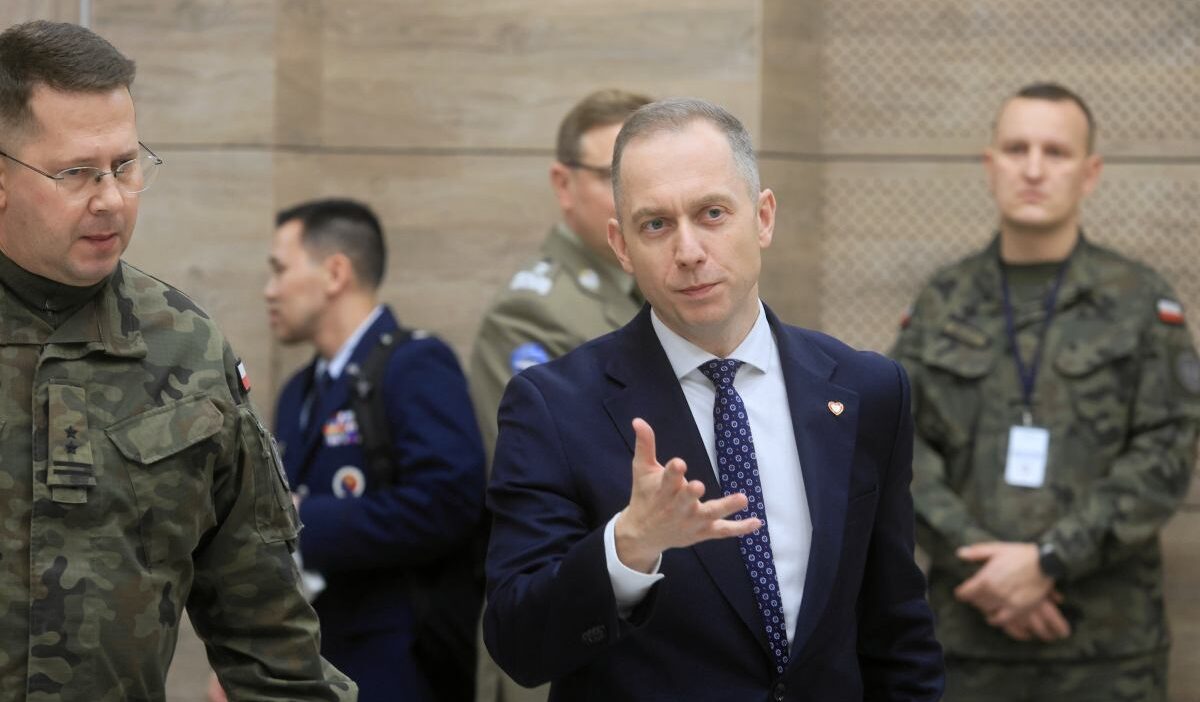
Vice Defense Minister Tomczyk stated the presidential veto significantly hinders payouts to security services, accusing the president of a strategy to worsen their conditions for political gain. He claimed Nawrocki aims to prevent police and border guards from receiving any funds.
Interior Minister Marcin Kierwiński criticized the veto, PiS, and Confederation politicians, calling their criticism of SAFE a deeply misleading campaign harming Polish security. He labeled the narrative irresponsible and false, suggesting any politician acting against national interests is betraying Polish security.
Financial Safeguards
Kierwiński pledged the government would save as much money as possible for MSWiA-affiliated services, despite sabotage attempts. He hinted at potential military equipment purchases for police and border guards, emphasizing every additional złoty enhances officer safety and training.
Tomczyk confirmed the government is working to disburse all originally planned SAFE funds. An alternative plan, dubbed “Polska Zbrojna” by Prime Minister Donald Tusk, will be presented within the next several dozen hours.
Administrative Measures
The resolution mandates the defense minister coordinates SAFE actions and represents Poland with the EU. Government agencies implementing SAFE projects must establish internal control systems covering project execution, risk identification, and fraud prevention. The National Revenue Administration is responsible for auditing SAFE loan funds.
Utilization of SAFE funds will be covered by anti-corruption and counterintelligence measures by the Internal Security Agency, Military Counterintelligence Service, and Central Anti-Corruption Bureau. An annual report on these measures will be submitted to the Council of Ministers.