


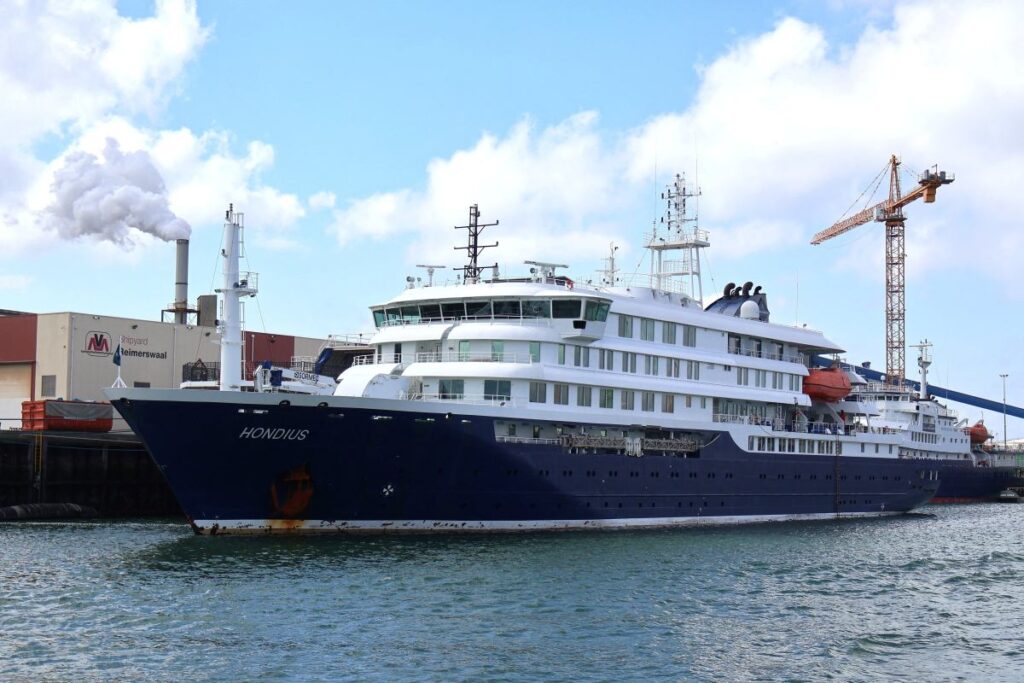
A hantavirus outbreak aboard the MV Hondius, a Dutch expedition cruise ship carrying 149 people, has resulted in three deaths and raised concerns about person-to-person transmission.
Hantavirus Spread Aboard MV Hondius
The World Health Organization (WHO) reported on Tuesday that the hantavirus outbreak on the MV Hondius cruise ship may involve human-to-human transmission. The ship, which departed Ushuaia, Argentina, approximately three weeks ago with passengers from 23 countries (including one Polish crew member), is currently off the coast of the Cape Verde Islands.
The ship is expected to continue its journey and conclude at the Canary Islands.
Reservoirs and Transmission
Hantaviruses are primarily carried by rodents such as mice, rats, and voles, which do not exhibit symptoms of the virus. Humans typically contract the virus by inhaling air contaminated with rodent feces, urine, or saliva, or through contact with broken skin.
However, the WHO has received reports indicating the absence of rodents on board the ship.
Andes Hantavirus and Human Transmission
According to virologist and microbiologist Dr. Tomasz Dzieciątkowski from the Warsaw Medical University, human-to-human transmission is primarily associated with the Andes hantavirus. He stated that this specific strain appears to be present on the cruise ship.
Most other hantaviruses do not transmit between humans. The fact that Andes hantavirus can spread person-to-person has been known for several years, but infection with this virus remains extremely rare.
Hantavirus Types and Severity
Hantaviruses are categorized into Old World hantaviruses (found in Asia and Europe – Hantan, Dobrava, Puumala) and New World hantaviruses (predominantly in South America – Andes, Sin Nombre). The Andes and Sin Nombre viruses are rarely found outside of South America.
Confined spaces, like the cruise ship, may facilitate easier transmission between individuals compared to open environments. Old World hantaviruses can cause hemorrhagic fever with renal syndrome, while New World hantaviruses can cause hantavirus cardiopulmonary syndrome, the latter being more severe.
Diagnosis and Disease Progression
Identifying the virus is currently straightforward, with testing taking approximately a day using appropriate methodologies. The incubation period for the disease averages 12-16 days, but can range from 5 to 42 days.
The illness can be mild, requiring no hospitalization, and asymptomatic infections also occur. Hospitalized patients typically stay for two months, but full recovery can take considerably longer. Mortality rates range from 0.5% to 6%, and can reach 30% without symptomatic treatment.
Current Situation and Initial Exposure
As of today, seven cases have been reported, with three fatalities. One patient is in intensive care in South Africa and is improving. Two patients remain on board the ship and are being prepared for medical evacuation to the Netherlands for treatment. A seventh individual, initially suspected of infection, is currently well and asymptomatic.
WHO experts believe the initial infections likely occurred before boarding the ship, as the vessel is an expedition cruise with passengers engaged in wildlife observation. Transmission through close contact, such as between spouses sharing cabins, is also possible.
Shipboard Measures and Polish Citizen
Oceanwide Expeditions, the ship’s operator, reported a calm atmosphere on board, with passengers generally composed. Isolation measures, hygiene protocols, and medical monitoring have been implemented.
The Polish Ministry of Foreign Affairs confirmed that one Polish citizen is among the crew and does not require medical or consular assistance.