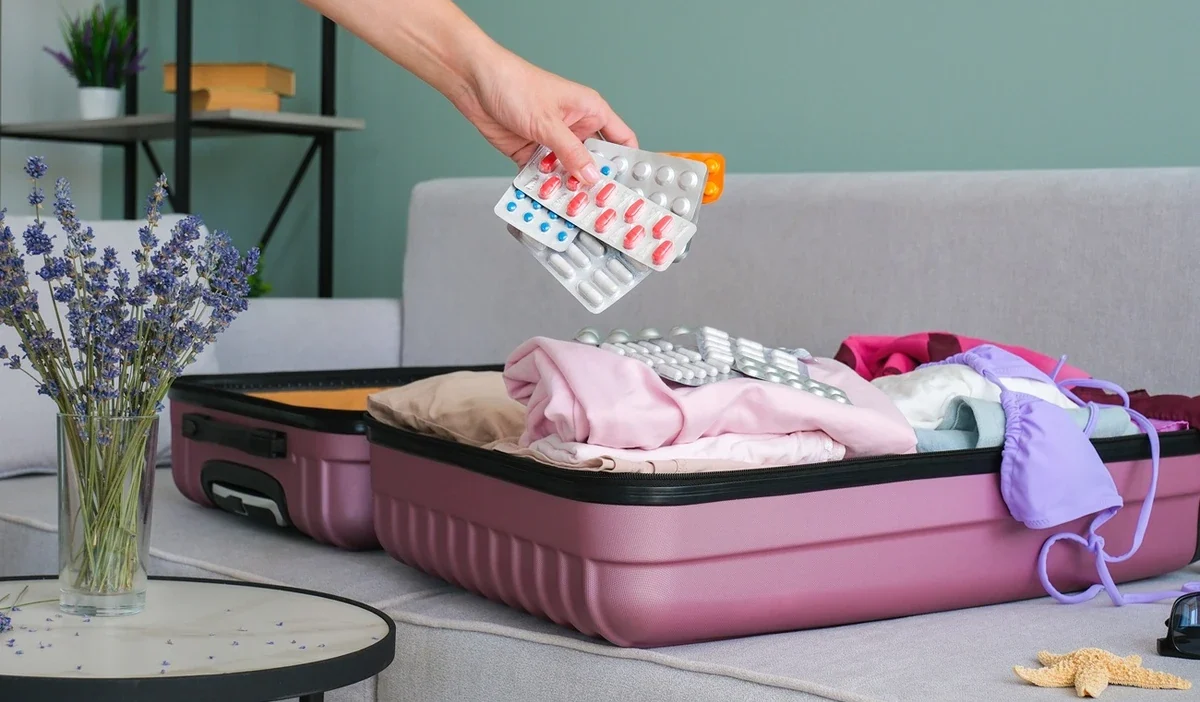
New Health Ministry regulations clarify the rules for transporting controlled medications across borders, requiring specific documentation for travelers starting in July 2026.
New Regulations Replace 2017 Rules
The draft regulation from the Minister of Health replaces existing provisions from 2017 and adapts them to the Public Documents Act. This introduces new document templates, improved security features, and clearly specifies the paperwork required for patients transporting medicines containing controlled substances.
Crucially, this does not ban the transport of medicines, nor does it change the concept of carrying them for “personal use,” but the formalities are described much more precisely. The Ministry of Health prepared the regulation, and the Chief Pharmaceutical Inspectorate issues the documents.
Who the New Rules Apply To
The new, or rather clarified, rules do not apply to all travelers. The key factor is the substances the medicine contains, not whether it is “on prescription.” The regulations apply to individuals carrying medicines containing narcotic or psychotropic substances.
Required Documentation for Travel
The most important document is a “document enabling the import or export of narcotic drugs or psychotropic substances for personal therapeutic needs.” A prescription alone—even a correct one—may not always suffice, particularly during customs control or outside Poland.
Clarification of Existing Obligations
Similar documents have existed previously; the project does not create a new obligation but organizes and standardizes practice. It clearly indicates the deadlines, form, and scope of the document. The difference is that once the regulation enters into force, authorities have a clear basis to ask for this document during an inspection.
Quantity Limits and Substance Examples
The draft does not introduce a limit of “one package / two packages.” What matters is that the quantity results from the dosage, is entered in the document, and is used for personal therapeutic needs. Common substances that may require documentation include those found in morphine, ADHD medications, and opioids.
Travel Within Schengen vs. Outside the EU
The project distinguishes between intra-community supply (travel within the EU/Schengen) and import or export (external EU border). In both cases, a document based on Schengen Convention standards is required for controlled substances and is valid for a maximum of 30 days. Outside the EU, the risk of control is much higher, making the document particularly significant for intercontinental flights.
Implementation Date and Pre-Flight Checklist
According to the draft, the regulation is to enter into force on July 1, 2026. Public consultations are currently underway. Before flying with medication, travelers should ensure they can immediately demonstrate that the medicines are legal and intended exclusively for their own treatment.