Polish legal counsel Dariusz Lasocki explains the rules for taxing and exempting housing associations, particularly regarding funds received from developers.
Cooperation with Developers
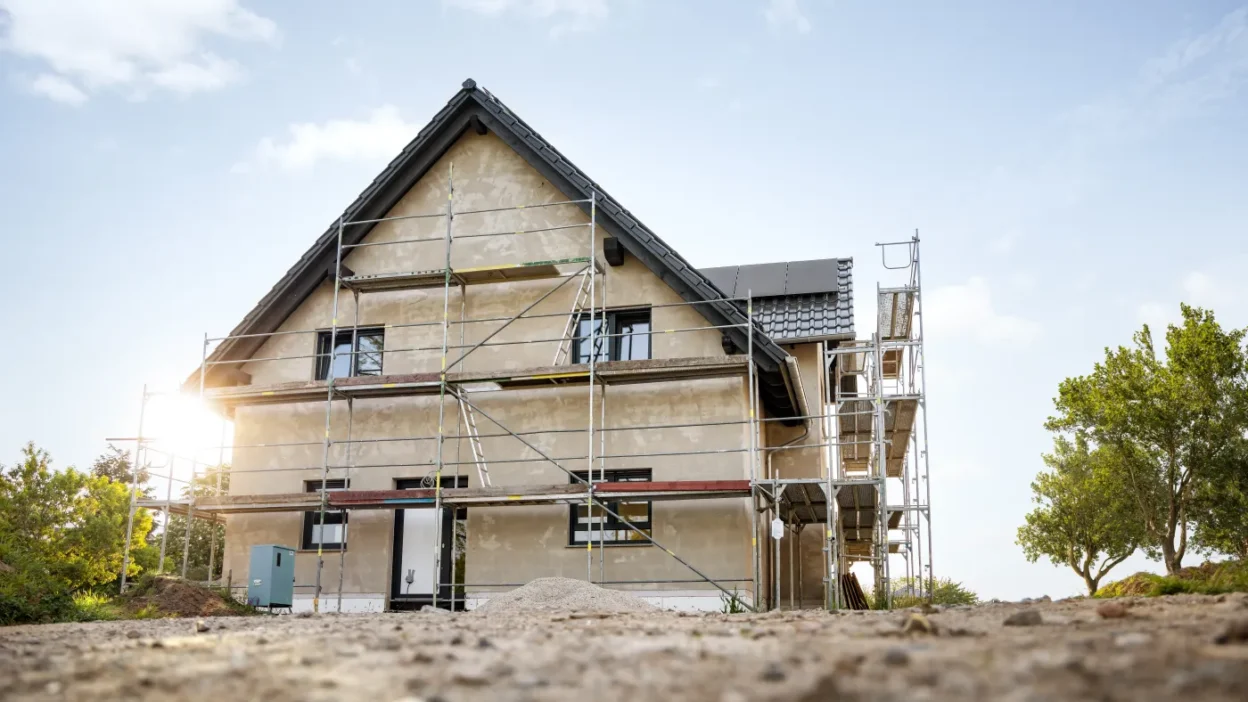
Housing associations, especially those in tenement buildings or buildings with adaptable spaces, often enter into agreements with developers involving the transfer of ownership of newly constructed residential premises. This can involve adding to the roof, adapting the attic, or adding an extension, typically in exchange for a one-time or installment payment as an advance towards future ownership transfer.
These funds should be allocated to the renovation fund. If the developer fails to complete the project due to reasons attributable to themselves or the association, the funds—protected by appropriate contractual clauses—may remain with the association, raising questions about their status as intended compensation for property transfer that did not occur.
Housing Association as a CIT Taxpayer?
Generally, housing associations are subject to corporate income tax (CIT) as organizational units without legal personality, as defined in Article 1(2) of the CIT Act. Consequently, they are generally obligated to pay CIT on their income.
However, Article 17(1)(44) of the CIT Act exempts income of housing associations derived from the management of housing resources—to the extent allocated to maintaining those resources—excluding income from business activity other than housing resource management. This requires that income originate from housing resource management and be used for maintaining those resources.
Funds in the Renovation Fund
By exempting income from housing resource management, Article 17(1)(44) of the CIT Act introduces a tax preference justified by state policy to meet citizens’ housing needs (Article 75(1) of the Constitution of the Republic of Poland). The requirement to allocate funds to the renovation fund—which accumulates funds to cover renovation expenses—is generally clear.
The fund serves to build a reserve for covering expenses for significant damage to the building, such as major repairs or damage from unforeseen events (e.g., floods), without burdening owners or taking out loans. It finances expenses that do not occur every year.
Managing Housing Resources – Definitional Gaps
The CIT Act does not define “housing resources” or “management of housing resources,” leading to numerous interpretative disputes. As an exception to the principle of equal taxation (Article 32(1) of the Constitution of the Republic of Poland), the exemption is subject to strict, non-expansive interpretation (NSA ruling of October 20, 2016, II FSK 1348/16).
Established case law of the Supreme Administrative Court indicates that housing resources should be understood as a set of residential premises and other rooms and facilities necessary for proper use of the apartment in a residential building. “Management of housing resources” means managing those resources.
Income from Management: From Rent to Local Sales and Advances
Court rulings and tax authority interpretations indicate that managing housing resources includes selling premises, contributions to the renovation fund, income from attic rentals, energy efficiency bonuses, and interest on late rent payments. A letter from the National Fiscal Information of December 28, 2023 (0114-KDIP2-1.4010.555.2023.2.MR1) states that income from the sale of an attic constituting a housing resource of the association is income from managing housing resources, exempt from CIT under Article 17(1)(44) of the CIT Act, to the extent allocated to maintaining those resources.
When the Tax Authority Disagrees
Tax authorities may determine that the final lack of property transfer excludes a direct link between the funds received by the association and the management of its housing resources, potentially leading to CIT taxation. Therefore, associations are advised to obtain individual tax interpretations with a meticulously described factual and legal situation, including relevant contractual provisions, reasons for unsuccessful cooperation, evidence of funds recorded in the renovation fund, and references to tax authority positions and case law.